
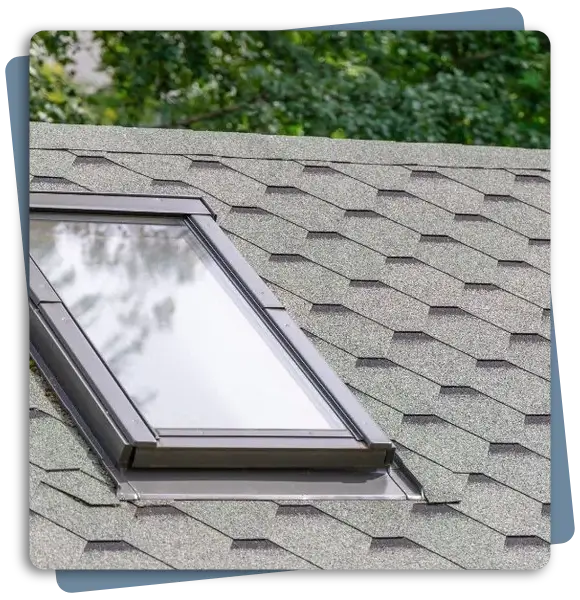
Steep Slope Roofing Design in Louisville, KY
For commercial buildings, a steep slope roof is a statement. Whether it is a historic church in Old Louisville, a modern university campus, or a retail complex requiring high visibility, Steep Slope Roofing Design combines architectural beauty with superior water-shedding capabilities. However, designing these systems for commercial scale requires more than just choosing a shingle color. It requires rigorous engineering to handle wind uplift, ice loads, and thermal movement.
At Weather Knight, we understand that a pitched roof is a complex building envelope system. We move beyond standard contractor practices to provide engineered pitched roof design solutions. We ensure that the aesthetic vision of the architect is matched by the technical durability required by the facility manager, resulting in a roof that performs flawlessly for decades against Kentucky’s volatile weather.
The Engineering Behind Architectural Roofing Systems
Unlike flat roofs which rely on waterproof membranes (hydrostatic), steep slope roofs rely on gravity and water shedding (hydrokinetic). This fundamental difference dictates every aspect of our design process.
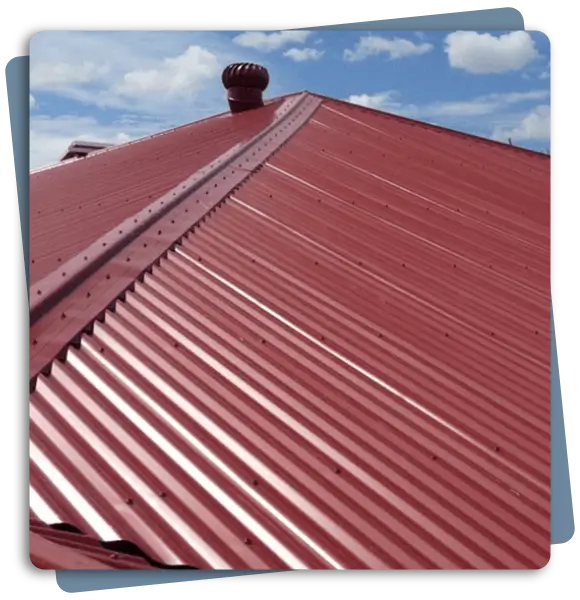
We specialize in commercial steep slope roofs that utilize high-performance materials such as standing seam metal, natural slate, clay tile, and synthetic composites. Our design process starts with a structural analysis. We perform precise roof pitch calculations to determine the optimal material choice. For example, a heavy clay tile requires a robust truss system, while a steep metal roof requires specific allowances for thermal expansion and contraction to prevent fastener fatigue.
Sloped Roof System Design and Materials
Selecting the right material is a balance of longevity, budget, and aesthetics.
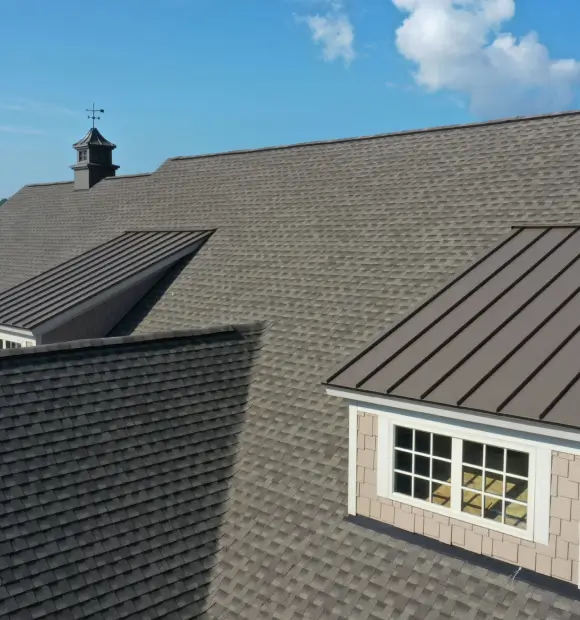
Technical Considerations: Wind, Snow, and Ventilation
A steep roof in the Ohio Valley faces specific environmental threats. Our designs proactively address these risks.
Wind Resistance and Uplift
Steep roofs act like sails in high winds. The corners and ridges experience immense negative pressure. We design wind resistance into the system by specifying increased fastener density at the perimeters and corners. We utilize underlayment systems that self-seal around nails, providing a secondary water barrier if the primary covering is compromised during a storm.
Snow Load and Ice Management
Snow accumulation on a steep roof can be dangerous if it slides off in a massive sheet (roof avalanching). We integrate snow retention systems—such as snow guards or rail systems—into the initial design to protect pedestrians and landscaping below. We also design enhanced eaves with ice and water shield to prevent ice damming, a common issue where heat loss melts snow that refreezes at the gutter line.
Ventilation and Moisture Control
A steep slope roof must breathe. Without proper intake (soffit) and exhaust (ridge) ventilation, heat builds up in the attic space, cooking the roof from the underside and shortening its life. We calculate the Net Free Area (NFA) required for your specific roof volume to ensure balanced airflow, preventing moisture buildup and reducing cooling costs.
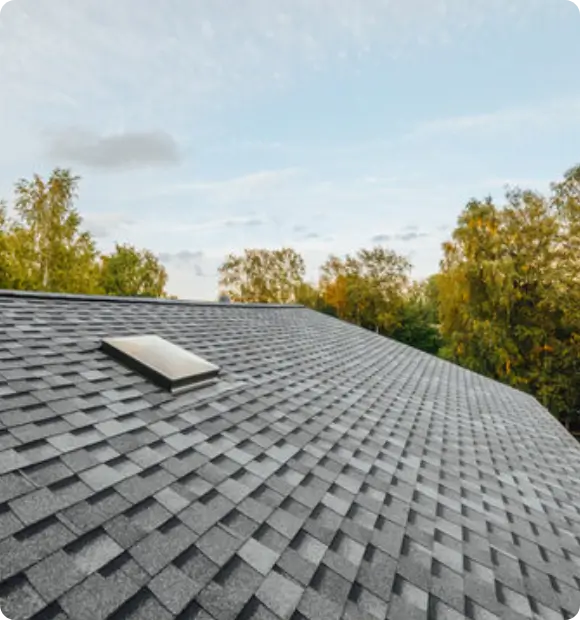
Our Design Methodology
We follow a disciplined, four-step process to ensure design integrity:
Our Design Methodology
We follow a disciplined, four-step process to ensure design integrity:
Structural Assessment
We verify that the deck and trusses can support the dead load of the proposed architectural roofing systems.
Environmental Analysis
We review site-specific wind exposure and potential tree coverage (which affects drying potential).
Detailed Specification
We produce comprehensive details for the critical areas: ridges, hips, valleys, and wall abutments.
Flashing Design
We design custom flashing details—often using copper or stainless steel—to permanently seal the complex intersections where leaks are most likely to occur.
Why Louisville Facilities Choose Weather Knight
Historic Sensitivity: We have experience designing for historic districts, ensuring modern performance while respecting period-correct aesthetics.
Safety Focused: We design permanent safety anchor points into the roof structure, making future maintenance safe and OSHA-compliant.
Material Neutral: We do not push a single brand. We recommend the system—whether metal, slate, or asphalt—that fits your specific building lifecycle goals.
Frequently Asked Questions
What defines a "steep slope" roof?
Generally, any roof with a pitch of 3:12 (3 inches of rise for every 12 inches of run) or greater is considered steep slope. This pitch allows for rapid water shedding.
Is a metal roof better than asphalt shingles for commercial buildings?
In terms of longevity, yes. A properly designed metal roof can last 40-60 years, whereas asphalt shingles typically last 20-25 years. Metal also offers better energy efficiency and wind resistance.
Do I need snow guards?
If your roof is metal, slate, or synthetic and located over a walkway, parking area, or landscaping, snow guards are essential to prevent dangerous snow slides.
How does ventilation work on a cathedral ceiling (no attic)?
For cathedral ceilings, we design a “hot roof” system or utilize vented nail-base insulation panels that provide an air channel directly beneath the roof sheathing to allow airflow from eave to ridge.
Elevate Your Building’s Performance
A steep slope roof is the crown of your building. Ensure it is designed to protect your asset and enhance your property’s value. Partner with Weather Knight for professional Steep Slope Roofing Design.
Contact us today to schedule a design consultation and site evaluation.