— DISASTER RESPONSE & FEMA CONTRACTING

FEMA Registration for Contractors

There’s no separate FEMA sign-up for businesses. To compete for FEMA and disaster contracts, you need an active SAM.gov registration, a Disaster Response Registry listing and a FEMA vendor profile in place before the next declaration. We set it up and keep it current.

  • Get found by contracting officers searching for disaster contractors in your area
  • Avoid the registration gaps that knock businesses out after a storm
  • Know where the work is: FEMA, other agencies, and state and local buyers spending FEMA funds

Excellent on Google · 133 reviews

SAM.gov support on a 1,200-entity federal contract

Registering in SAM.gov and submitting a FEMA vendor profile are free. Federal Contracting Center is a private consulting firm, not FEMA or any government agency. FEMA does not approve or certify contractors.

Free Disaster-Readiness Review

A specialist will check your registrations and call you within one business day.

    Your information is never sold or shared.

    How Do Businesses Register with FEMA?

    Businesses don’t register with FEMA directly. FEMA, like every federal agency, buys from companies registered in SAM.gov, the government’s free vendor system. Two more steps put you in front of disaster buyers: opting into SAM.gov’s Disaster Response Registry, which federal contracting officers must check for disaster work, and submitting a vendor profile to FEMA’s Industry Liaison Program.

    How businesses register to work with FEMA through SAM.gov, the Disaster Response Registry, and FEMA’s Industry Liaison Program
    $1.7B

    Average FEMA spending per year on natural-disaster contracts, FY2018–2023

    106

    FEMA advance contracts in place for FY2025, awarded before disasters strike

    34%+

    Share of FEMA’s natural-disaster contract dollars that went to small businesses in 2023

    $0

    Cost to register in SAM.gov or submit a FEMA vendor profile

    Sources: U.S. Government Accountability Office (GAO-25-107136); FEMA Advance Contracts (FY2025).

    How FEMA and Disaster Contracts Are Awarded

    Disaster work flows through four channels. Most businesses only know about one.

    Channel Who buys When How to be in the running
    Advance contracts FEMA Competed before disasters, often for several years Watch SAM.gov Contract Opportunities and the DHS Acquisition Planning Forecast System
    Post-declaration purchases FEMA and other federal agencies working the disaster Days to weeks after a declaration Active SAM.gov registration and a Disaster Response Registry listing; local firms get preference
    State and local contracts States, counties, cities and other FEMA Public Assistance recipients Before and after disasters Each government's own vendor registration and bids; they must follow federal procurement standards when spending FEMA funds
    Subcontracts Large prime contractors on FEMA and state contracts Whenever primes need capacity SAM.gov and Small Business Search profiles, a capability statement, and direct outreach to primes

    In a declared disaster area, federal rules give preference to local firms “to the extent feasible and practicable.”

    • Register before the storm, not after it: A new SAM.gov registration can take weeks to activate, and post-disaster purchases can happen within days. If your registration isn‘t active when the declaration comes, you aren’t in the running.

    What FEMA and Disaster Buyers Purchase

    About 83% of FEMA’s disaster contract dollars go to services, not goods. Here’s where businesses most often fit.

    Supplies & Commodities

    Water, meals, generators, cots, tarps, blankets, medical supplies and portable toilets.

    Debris Removal & Monitoring

    Usually hired by cities and counties using FEMA Public Assistance funds, with debris monitoring often contracted separately.

    Construction & Repair

    Repairs to public facilities, roads and utilities, and site work for temporary housing, including plumbing, heating and waste systems.

    Transportation & Logistics

    Trucking, warehousing and moving supplies into the disaster area. FEMA runs a separate tender program for transportation providers.

    Housing & Sheltering Support

    Manufactured housing units, travel trailers, and support for shelters and temporary lodging.

    Staffing & Professional Services

    Temporary labor, janitorial services, inspections and disaster planning support.

    Small business disaster contractors prepared and ready to supply essential emergency products when government demand arises

    WHY WE DO THIS

    Emergencies Don’t Wait for Paperwork

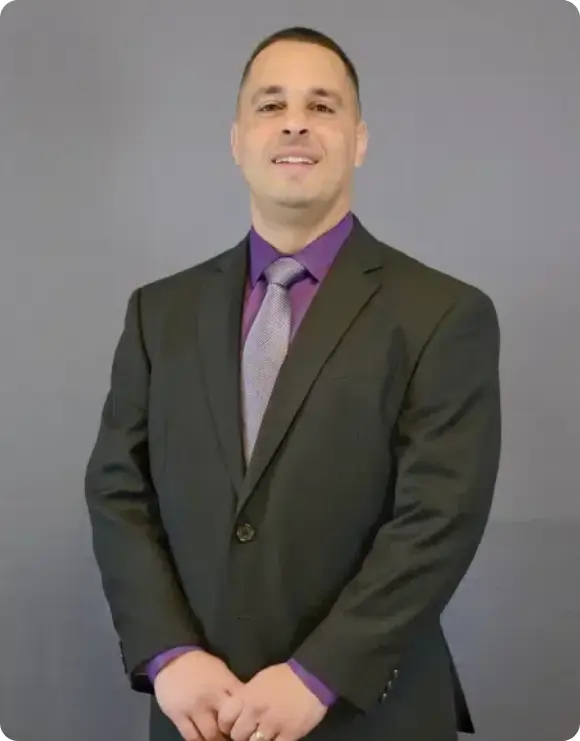
    During the pandemic, I had N95 masks, gloves and isolation gowns, the exact supplies the government was desperate for, and I still couldn’t win a contract. Other small businesses won them every day. Their products weren’t better. They were registered, visible and ready before the need hit. That’s the gap we close for disaster contractors, so when the call comes, you’re already in the system.

    Mike Major
    CEO & Founder, Federal Contracting Center

    1,200
    SAM.gov entities
    Proven at federal scale

    Our team supported SAM.gov registrations for about 1,200 entities on a deadline-driven federal government contract.

    Customer and contract details are confidential.

    Our team includes former federal employees, federal market researchers, data analysts, and SAM.gov registration specialists.

    How We Get Your Business Disaster-Ready

    You can do every step yourself at no cost. What we bring is speed, accuracy, and a system that keeps you ready all year.

    Steps to prepare a business for FEMA disaster contracting, including SAM.gov registration, Disaster Response Registry, vendor profile, capability statement, and annual readiness
    1. 1

      Capability & Market Check

      We match what you provide to the NAICS codes and the buyers that use them: FEMA, other federal agencies, and the state and local governments in the areas you can serve.

    2. 2

      SAM.gov Registration or Update

      We register or update your entity, confirm your Unique Entity ID, and check your codes, contacts and banking details before a disaster, not during one.

    3. 3

      Disaster Response Registry

      We opt you in and set the areas you can actually serve, so contracting officers searching your region can find you.

    4. 4

      FEMA Vendor Profile & Capability Statement

      We prepare your Industry Liaison Program vendor profile and a one-page capability statement buyers can scan in a minute.

    5. 5

      Stay Ready

      We help you renew SAM.gov every year, watch SAM.gov and DHS forecasts for upcoming FEMA work, and update your profile when your capabilities change.

    FEMA Registration Pricing

    Flat fees, listed up front. Registering with SAM.gov and FEMA is free; our fee covers the work of getting it right.

    SAM.gov + Disaster Response Registry

    For businesses that need a new or renewed SAM.gov registration.


    $X,XXX

    one-time service fee


    • SAM.gov registration or renewal support
    • Unique Entity ID and NAICS code review
    • Disaster Response Registry opt-in and service areas
    • Status tracking until your registration is active
    All-in-one

    FEMA Ready Package

    For businesses that want to be fully set up for disaster buyers.


    $X,XXX

    one-time service fee


    Everything in SAM.gov + Disaster Response Registry, plus:

    • FEMA Industry Liaison Program vendor profile
    • One-page capability statement
    • List of state and local procurement portals in your service area

    Annual Disaster-Ready Renewal

    For registered businesses that want to stay current.


    $X,XXX

    one-time service fee


    • Annual SAM.gov renewal
    • Disaster Response Registry and service-area review
    • Vendor profile and capability statement updates
    • Reminders ahead of hurricane and wildfire season

    Registering in SAM.gov and applying for WOSB or EDWOSB certification through SBA are both free. Our fees cover consulting and application support and don’t guarantee SAM.gov activation, SBA certification, or contract awards.

    What Our Clients Are Saying

    Excellent Based on 133 Google reviews

    “Tina Mueller was so helpful with Sam.gov as there were some issues I have never encountered prior to renewing my entities registration. Her guidance and explanation made the process smooth…”

    Alan Fleitz · Google review

    “Peter has been incredibly helpful getting our contractors set up! He is professional, efficient, patient and knowledgeable.”

    Katie Epstein · Google review

    “Angel was great to work with. She assisted me with our government contracting needs and made sure everything was in order from start to finish…”

    Sydney Otundo · Google review

    Live Google reviews feed (Trustindex) in production.

    Frequently Asked Questions

    No. FEMA buys from businesses registered in SAM.gov. A vendor profile with FEMA’s Industry Liaison Program is optional but worth doing. It tells FEMA what you provide and where, though it doesn’t guarantee a contract or put you on a preferred list.

    Register in SAM.gov and opt into the Disaster Response Registry, submit a FEMA vendor profile, then watch SAM.gov Contract Opportunities and the DHS Acquisition Planning Forecast System for FEMA work. Many disaster contracts come from state and local governments, so register on their vendor portals too.

    A FEMA vendor profile takes minutes once your SAM.gov registration is active. A new SAM.gov registration can take several weeks because of identity and banking checks, so start well before hurricane or wildfire season.

    Nothing. SAM.gov registration and FEMA vendor profiles are free. Federal Contracting Center charges a flat fee for registration support. See our pricing packages.

    No. FEMA does not approve, endorse, certify or recommend contractors, and companies may not call themselves “FEMA approved” or “FEMA certified.” Be cautious of anyone who claims otherwise. If you’re a homeowner looking for help after a disaster, start at DisasterAssistance.gov.

    It’s a list inside SAM.gov of businesses willing to provide disaster or emergency relief. Federal contracting officers are required to check it when they need contractors for debris removal, supply distribution, reconstruction and other relief work in the U.S. You opt in during your SAM.gov registration.

    Not always, but it helps. In a declared disaster area, federal rules give preference to local firms when feasible, and agencies must justify awards to non-local firms in writing. Advance contracts, awarded before disasters, are open to qualified businesses nationwide.

    Most debris removal is hired by cities, counties and states, which are reimbursed through FEMA’s Public Assistance program. Those governments run their own procurements under federal procurement standards. Federal agencies, including the U.S. Army Corps of Engineers, also award debris work. Expect licensing, bonding and insurance requirements.

    FEMA pays the contractors it hires. When a state or local government hires you with FEMA Public Assistance funds, that government pays you and FEMA reimburses it, so your contract terms come from the local government.

    They can. Small businesses received over 34% of FEMA’s natural-disaster contract dollars in 2023, and federal agencies can set aside work for 8(a), HUBZone, women-owned and service-disabled veteran-owned firms. Local governments spending FEMA funds are also expected to consider small, minority-, women- and veteran-owned businesses when they buy.

    In May 2026, the President’s FEMA Review Council recommended that disaster response be “locally executed, state managed and federally supported.” The recommendations aren’t final, but they point to more disaster work being bought by states and local governments. Registering with federal, state and local buyers covers you either way.

    Be Ready Before the Next Disaster Declaration

    Tell us what your business provides and where you can work. We’ll check your registrations and show you what it takes to get in front of disaster buyers.

    Monday–Friday, 8am–8pm EST · support@federalcontractingcenter.com

    Last updated October 2026. Reviewed by the Federal Contracting Center registration team. Sources: FEMA Industry Liaison Program; FEMA Advance Contracts; GAO-25-107136; FAR Subpart 26.2; 2 CFR 200.321. Federal Contracting Center is an independent consulting firm and is not affiliated with FEMA, the Department of Homeland Security or any government agency. FEMA does not approve or certify contractors.

    Federal Contracting Center (FCC) is an independent entity, separate from any US government agency. Specializing in third-party services, FCC handles small-business registrations, certifications, and the submission and management of SAM registrations. Additionally, FCC offers expert guidance to companies and non-profit organizations, navigating the complex process of federal government contracting process. | Sitemap