The United States Federal Emergency Management Agency, also known as FEMA, is an federal agency of the U.S. Department of Homeland Security. It was created in 1979 with the primary mission to coordinate responses to disasters that occur within the U.S. and provide relief….


Answers to the most frequently asked questions about SAM renewal

The System for Award Management (SAM) is important for federal contractors, non-profit organizations, and businesses looking to work with the U.S. government. Having an active SAM registration is not just a procedural requirement—it’s your gateway to accessing lucrative United States government contracts and opportunities.

However, managing your SAM renewal can often be a challenge, with many questions arising about the process. This guide from the Federal Contracting Center addresses these concerns, providing clarity and support for federal contractors seeking to maintain their SAM registration.

Understanding the Importance of SAM for Federal Contractors

For businesses involved in federal contracting, SAM serves as a centralized platform for registering and maintaining eligibility for federal opportunities. It consolidates vendor information into a single database, streamlining the procurement process.

A valid SAM registration is a prerequisite for bidding on federal contracts, receiving grant awards, and participating in various government initiatives. Therefore, maintaining an up-to-date SAM registration is imperative for continued access to these opportunities.

A Brief Overview of Renewing SAM Registrations

Why Renewing your SAM Registration Matters: The renewal process ensures that your business information is current and compliant with federal requirements. This is vital for retaining eligibility and uninterrupted access to government contracts.

When to Renew SAM: It is advisable to renew your SAM registration annually. Ideally, businesses should begin the renewal process 90 days before your current registration expires to avoid any lapse and potential disruptions.

How Often is SAM Renewal Needed: SAM registration must be renewed every year. Regular updates ensure your business profile remains visible to federal agencies seeking your products or services.


Common Challenges in the SAM Renewal Process

Despite its importance, renewing your SAM registration can come with its own set of challenges.

Common issues include:

Incomplete Information: Ensuring all business details are accurate and complete can be tedious. Missing information may delay the renewal process.

Technical Issues: Navigating the SAM.gov registration portal can sometimes be hindered by technical difficulties, leading to frustration and delays.

Compliance Requirements: Adhering to new compliance requirements or changes in regulations can be challenging without proper guidance.

To streamline the process, consider seeking assistance from expert government contracting consultants, such as the Federal Contracting Center, who specialize in SAM renewal services.

Frequent Questions About SAM Renewal

What is the SAM Renewal Process?
The process to renew SAM registration involves verifying and updating your business information on SAM.gov. This includes checking eligibility, updating contact details, and confirming compliance with federal standards.

How Do I Know When to Renew My SAM Registration?
You will receive email notifications from SAM.gov reminding you of your upcoming renewal deadline. It’s crucial to keep your email address updated in the system to receive these alerts promptly.

What Happens If I Miss the Renewal Deadline?
Failing to renew your registration on time results in its expiration, potentially barring you from bidding on new contracts and impacting your ongoing projects. Start the renewal process well in advance to avoid these pitfalls.

Tips for a Smooth SAM Renewal Process

Prepare in Advance: Before starting the renewal process, it’s important to gather all necessary documentation related to your application. Take the time to carefully verify the accuracy of your personal details, such as your name, address, and any other relevant information. Ensuring everything is correct will help prevent delays and streamline the renewal process, making it smoother and more efficient.

Monitor Deadlines: It’s important to keep track of your registration expiration date to avoid any lapses in validity. Setting reminders well in advance can help you start the renewal process early, ensuring that you have ample time to gather any necessary documents and complete the paperwork without any last-minute stress. Taking these steps will ensure a smooth transition and maintain your registration without interruption.

Seek Expert Assistance: Utilizing SAM renewal support from federal contract consultants, such as the Federal Contracting Center, can greatly simplify the often-complex renewal process. These experts not only provide guidance on the necessary documentation and requirements but also help you navigate the intricacies of federal regulations. By working with experienced consultants, you can avoid common mistakes and delays that many organizations face during the renewal process, ensuring a smoother experience and maintaining compliance with federal contracting standards.

Stay Informed: It is important to regularly review SAM.gov for any changes or updates regarding the renewal process. By doing so, you can stay informed about potential modifications in requirements, deadlines, or procedures that may affect your registration. This proactive approach will help ensure that your renewal is completed smoothly and without any unexpected issues.


Get Started Renewing Your SAM Registration

Maintaining an active SAM registration is essential for businesses involved in federal contracting. By understanding the renewal process and proactively addressing common challenges, you can ensure your continued eligibility for valuable government opportunities.

We encourage you to share your own experiences with SAM renewal or reach out to the Federal Contracting Center for personalized assistance and support. Connect with our experts to explore how we can facilitate a seamless renewal process for your business. Remember, your SAM registration is a crucial step toward success in the federal market.


Need Help with Other Federal Certifications or Registrations?

The Federal Contracting Center provides a wide range of services designed to help businesses successfully navigate the intricate landscape of government contracting. Our knowledgeable team is here to support you through various processes and requirements, ensuring your business is well-equipped for success. Here’s how we can assist:

Federal Certifications and Registrations:

  • Women-Owned Small Business (WOSB) and Economically Disadvantaged Women-Owned Small Business (EDWOSB)
  • Minority Business Enterprise (MBE)
  • 8(a) Certification Assistance
  • Veteran-Owned Small Business Certification (VOSB) and Service Disabled Veteran-Owned Small Business
  • Certification (SDVOSB)
  • GSA Schedule Contracts
  • And many more specialized certifications

Government Contract Consulting Services:

  • Personalized guidance on the government contracting process
  • Strategies for effective proposal writing and submission

Training and Workshops:

  • Educational sessions on federal contracting best practices
  • Workshops tailored to specific certifications and compliance requirements

Contact us today to learn more about our services for U.S. federal contractors and discover how we can partner with you to help your business thrive in the federal marketplace.

Are you struggling to secure government contracts for your business? The System for Award Management (SAM) registration process can be your key to unlocking substantial federal opportunities. Federal Contracting Center (FCC), an expert in SAM government contracting consulting, is here to help you understand how SAM registration can elevate your business.

What is SAM Registration?

The System for Award Management (SAM) is a centralized database that consolidates and standardizes vendor contracting information for the U.S. Federal Government, ensuring a streamlined process for federal procurement. This system serves as a crucial resource for both government agencies and businesses, providing a comprehensive platform to manage vendor information efficiently. To participate in bidding for federal contracts, receive federal assistance, or engage in business activities with the federal government, you must complete your registration with SAM. This registration process validates your business information and helps the government maintain accurate records of qualified vendors, promoting transparency and accountability in federal contracting. By being registered in SAM, businesses can access a wealth of opportunities and resources that can significantly enhance their chances of success in the federal marketplace.

SAM registration provides both vendors and government entities with a comprehensive one-stop shop for all federal procurement needs. This streamlined process simplifies compliance and ensures that businesses meet essential eligibility requirements for federal contracts. Once your business is registered in SAM, it gains visibility to every civilian and military federal agency, effectively connecting you to a vast government market. This exposure can open doors to numerous opportunities, facilitating partnerships and contracts that can significantly boost your business growth and sustainability in the competitive federal landscape.

Benefits of SAM Registration & Renewal

Increased Visibility

Successfully registering with the System for Award Management (SAM) not only makes your business accessible to federal agencies that require your products and services, but it also plays a crucial role in establishing your credibility as a vendor. This enhanced visibility can unlock numerous contracting opportunities across numerous different government sectors, significantly improving your chances of winning government contracts. By being part of this centralized SAM database, your business can be discovered by procurement officers actively seeking reliable partners, ultimately leading to potential long-term relationships and growth in revenue. Additionally, SAM registration can facilitate the bidding process for federal contracts, giving you a competitive edge in the federal marketplace. This registration not only streamlines your access to various opportunities but also provides essential visibility to government agencies, ultimately giving you a significant competitive edge in the federal marketplace. By being and staying SAM-registered, you’ll be able to highlight your business’s qualifications and readiness to engage in government projects, increasing your chances of success.

Streamlined Procurement Processes

SAM connects you to other federal procurement and awards systems through the Dynamic Small Business Search (DSBS) capability. This integration streamlines the procurement process, making it easier for federal agencies to find and contract with your business.

Eligibility for Federal Contracts

Without SAM registration or having an expired SAM renewal, your business cannot bid on federal contracts. By completing the registration or renewal process, you ensure you can compete for lucrative contracts that can drive significant revenue for your business.

Securing Federal Contracts

According to the US General Accounting Office, in Fiscal Year 2023, the federal government committed about $759 billion on contracts, an increase of about $33 billion from Fiscal Year 2022 after adjusting for inflation. Being SAM registered through FCC gives your business a competitive advantage when competing for these contracts, significantly increasing your chances of winning. Additionally, SAM registration ensures that your business meets the essential eligibility requirements for federal contracts, such as compliance with labor laws and regulations.

The SAM Renewal Process

Keeping your SAM registration active is crucial for businesses looking to engage in federal contracting. This registration is not just a formality; complying with government regulations and maintaining eligibility to bid on federal contracts is essential. To stay compliant and active, the registration must be renewed annually. The Federal Contracting Center strongly recommends renewing your registration at least 90 days before expiration. This proactive approach helps avoid potential service interruptions or penalties arising from SAM renewal lapses. By staying ahead of the expiry, you ensure that your business remains eligible and ready to seize new contracting opportunities.

How Can FCC Help Your Business

Employees of FCC doing a SAM Renewal checklist


Navigating the SAM registration and renewal process can be daunting. That’s where we come in. With years of experience in SAM.gov registration services, our government contract consultants at FCC are dedicated to making the process fast, accurate, and easy. Once all of your information is provided, we take care of the entire registration process, ensuring that your business is fully compliant and ready to compete in the federal marketplace. Our team of experts can also assist with renewals, ensuring your SAM registration stays active and up-to-date. With our services, you gain peace of mind knowing that your business’s government contracting needs are handled efficiently, allowing you to focus on other critical aspects of growing your business. Employees of FCC doing a SAM Renewal checklist

Why Choose FCC?

Man at desk performing SAM Renewal services for small business SAM registration is a service FCC provides.


Expertise: Our dedicated contract consultants have been tirelessly working for many years to stay up-to-date with the intricate requirements and frequent changes to SAM registration. They continuously monitor updates from relevant authorities and engage in ongoing training to ensure they possess the latest knowledge and expertise. This commitment enables them to provide our clients with accurate guidance and support throughout the registration process, helping ensure compliance and efficiency. Man at desk performing SAM Renewal services for small business SAM registration is a service FCC provides.

Efficiency: We work quickly and efficiently to register or renew your business, ensuring the process is smooth and straightforward. We aim to minimize downtime, allowing you to maximize opportunities to focus on growing your enterprise and pursuing your vision. With our dedicated support, you can rest assured that your business needs are taken care of, allowing you to concentrate on what truly matters.

Support: We offer high-value, confidential, one-on-one consulting services designed to assist your business in thoroughly researching both bids and non-bids related to federal contracts. Our expert team will work closely with you to identify opportunities, analyze requirements, and develop tailored strategies that enhance your chances of success in navigating the complex federal contracting landscape.

In conclusion, SAM registration is critical for any business looking to win federal government contracts. It increases your visibility, streamlines the procurement process, and ensures your eligibility for lucrative opportunities. The Federal Contracting Center (FCC) is your trusted partner in navigating the SAM registration and renewal process, offering expert guidance and support to help your business succeed.

Ready to take your business to the next level with government contracts from SAM? Contact us today to learn more about our expert consulting services and how to start your registration or renewal process. Don’t miss out on the opportunity to unlock substantial federal contracts for your business.


Are you a minority business owner looking to secure federal contracts? If so, you’re in the right place. This guide will show you how Minority Business Enterprise (MBE) certification can significantly boost your chances of winning federal contracts through the System for Award Management (SAM). We will cover the steps involved in obtaining MBE certification, the benefits it provides, and how to effectively leverage it within the SAM framework.

The Federal Contracting Center (FCC) provides expert advice and support to businesses.  With its team of government contract consultants standing by, they are ready to help you navigate the complexities of the certification process and the federal contracting landscape. FCC specializes in helping businesses with SAM registration and MBE certification, ensuring you have the resources needed to succeed.

What Is MBE Certification?

Minority Business Enterprise (MBE) certification is a designation given to businesses that are at least 51% owned and controlled by minority individuals—persons who are part of a racial or ethnic group that is socially or economically disadvantaged. This certification aims to promote diversity and provide equal opportunities for minority business owners. By obtaining MBE certification, your business can gain access to numerous benefits, especially in federal contracting.

Importance of SAM Registration for MBE

SAM, or the System for Award Management, is an official U.S. government system that consolidates several federal procurement systems into one. If you want your business to be eligible for federal contracts, SAM registration is a must. For Minority Business Enterprises (MBEs), SAM registration is also crucial for obtaining MBE certification, as it enhances your visibility and accessibility to federal agencies, thereby increasing opportunities for government contracts and recognition.

How Does MBE Certification Enhance Federal Contracting Opportunities?

Increased Visibility

One of the biggest advantages of MBE certification is enhanced visibility in the SAM database. Federal agencies often search this database to find contractors who meet specific criteria, including minority-owned status. Being MBE-certified ensures that your business stands out, making it easier for federal agencies to find you.

Additionally, your business will be included in directories and databases that federal agencies use to source contractors. This increased exposure can lead to more opportunities and contracts.

Competitive Edge

In today’s competitive business environment, having an edge can make all the difference. MBE certification provides that edge by demonstrating your commitment to diversity and social responsibility. Federal agencies are increasingly focusing on diversity and inclusion, and having MBE certification shows that your business aligns with these values.

This perception of diversity compliance can make your business more attractive to federal agencies, giving you a competitive advantage over non-certified businesses.

Access to Set-Aside Contracts

One of the most compelling benefits of MBE certification is access to set-aside contracts. These are contracts specifically reserved for minority-owned businesses. Federal programs like the 8(a) Business Development Program allocate a certain percentage of contracts to MBEs, ensuring that minority businesses have a fair shot at winning federal contracts.

Integrating MBE Certification with SAM Registration

Integration in the SAM Profile

To fully leverage the benefits of MBE certification, it’s crucial to integrate this information into your SAM profile. This includes accurately and completely filling out all relevant sections, such as your business’s minority-owned status, NAICS codes, and other pertinent details.

Federal agencies rely on this information to make informed decisions, so ensure that your SAM profile is up-to-date and comprehensive. Incomplete or inaccurate information can hinder your chances of winning contracts, making it essential to get it right.

Two individuals shaking hands after registering for MBE Certification with FCC

Enhanced Credibility and Trust

Federal agencies are more likely to trust and engage with businesses that have validated credentials. MBE certification serves as a testament to your business’s minority-owned status, enhancing your credibility. This increased trust can lead to more contracting opportunities and long-term relationships with federal agencies.

Resources and Support Systems for MBE-Certified Businesses

Government Programs and Initiatives

Several government programs and initiatives are designed to support Minority Business Enterprises (MBEs), offering a range of resources that span from financial assistance to comprehensive training and mentorship. One of the most well-known examples is the Small Business Administration (SBA). The SBA’s 8(a) Business Development Program provides MBEs with various forms of support, including technical assistance, leadership development, and business counseling, all aimed at helping them compete effectively in the federal marketplace. Additionally, the program offers access to exclusive government contracts that can significantly boost a business’s growth.

Programs such as the 8(a) Business Development Program play an essential role in leveling the playing field for MBEs, ensuring they have the tools and resources needed to thrive in the competitive landscape of federal contracting. By participating in these initiatives, MBEs can not only enhance their business capabilities but also contribute to broader economic growth and diversity.

Networking and Partnerships

Networking is a powerful tool for any business, and it’s especially important for MBEs. Building relationships within the minority business community can lead to valuable collaborations and partnerships. These connections can enhance your contracting opportunities and provide additional support and resources.

Organizations like the National Minority Supplier Development Council (NMSDC) offer networking events, business expos, and other opportunities for minority business enterprise members to connect with potential partners and clients.

Minority business owners sitting at a laptop discussing Federal business programs

Conclusion

MBE certification offers a wealth of benefits for minority-owned businesses looking to secure federal contracts. The advantages are significant, from increased visibility and a competitive edge to access to set-aside contracts. Integrating MBE certification with SAM registration further enhances these benefits, ensuring that your business is well-positioned to succeed in the federal marketplace.

Next Steps

If you’re ready to take the next step and pursue MBE certification, the Federal Contracting Center is here to help. Our team of experts can guide you through the process, ensuring that your business is properly registered and ready to secure federal contracts. Contact us today to learn more about our services and how we can help you achieve your goals.

Are you a small business owner looking to obtain WOSB (Women-Owned Small Business) certification? This in-depth guide is designed to answer all your questions about the WOSB certification process. Learn about the extensive benefits, detailed eligibility requirements, and step-by-step instructions to help you secure this valuable designation and elevate your business to new heights. Additionally, discover how the renowned SAM government contract consultants at Federal Contracting Center can support you throughout this journey, ensuring a seamless and successful certification experience. Unlock new opportunities and position your Woman-Owned Small Business for growth with expert guidance and comprehensive resources.

The WOSB certification, offered by the Small Business Administration (SBA), aims to promote women-owned businesses in the marketplace and can open up new opportunities for your business. You’ll learn about its benefits, the eligibility criteria, the application process, and the process timeline. Let’s get started!

What is WOSB Certification?

WOSB Certification and Its Purpose

Definition of WOSB (Women-Owned Small Business) Certification

WOSB certification is a special designation for businesses owned and controlled by women. It represents a commitment to promoting gender diversity in the business world and provides these businesses with opportunities to compete for federal contracts. This certification not only recognizes the hard work and dedication of women entrepreneurs but also encourages a more inclusive and diverse economic landscape.

The Role of the Small Business Administration (SBA) in WOSB Certification

The Small Business Administration (SBA) oversees the certification process, ensuring that eligible businesses meet all necessary requirements. This includes a thorough review of each business’s qualifications and compliance with specific criteria.

Purpose of WOSB Certification and Its Importance in Promoting Women-Owned Businesses

WOSB certification helps level the playing field by providing access to federal contracts and resources. In addition, the SBA’s goal is to support and empower women entrepreneurs by providing them with access to resources, opportunities, and networks that can help them succeed in the competitive business landscape. It’s a crucial tool for promoting women-owned businesses and fostering economic growth.

GET STARTED

How Do I Qualify for WOSB Certification?

Eligibility Criteria for WOSB Certification

  • Overview of General Eligibility Requirements

    To qualify for WOSB certification, your business must be a woman-owned and a small business as defined by the SBA. This includes meeting industry-specific size standards.

  • Specific Criteria Related to Ownership and Control by a Woman or Women

    Women must own at least 51% of the business, controlling its management and daily operations. This ensures genuine female leadership.

  • Additional Requirements Such as Size Standards and Business Type Considerations

    The business must also meet SBA’s definition of a small business, which varies by industry. For example, size standards might be based on the number of employees or annual revenue.

    What Are the Benefits of WOSB Certification?

    Advantages and Opportunities That Come with Being a Certified WOSB

    Access to Federal Contracting Opportunities

    WOSB certification provides access to federal contracts set aside specifically for women-owned businesses. This can significantly increase your business opportunities.

    Enhanced Visibility and Credibility in the Marketplace

    Certification enhances your business’s credibility, signaling to potential clients and partners that you meet rigorous standards.


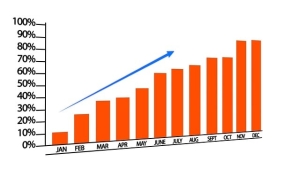
    bar chart showing how WOSB certification can increase business for Women Owned Small Businesses that use FCC for their registration

    Potential for Business Growth and Expansion

    With increased visibility and access to contracts, your business has greater potential for growth and expansion.

    Networking Opportunities and Support from SBA and Other Organizations

    WOSB certification opens doors to networking opportunities and support from the SBA and other organizations. These resources can help you grow your business.

    How Do I Apply for WOSB Certification?

    Steps and Required Documentation for the Application Process

    Step 1: Prepare Necessary Documents (e.g., Proof of Ownership, Tax Returns)

    Gather essential documents, such as proof of ownership, tax returns, and business licenses. These documents verify your eligibility.

    Step 2: Register in the System for Award Management (SAM)

    Register your business in the System for Award Management (SAM). This is a crucial step in the certification process. You can reach out to us for assistance with your SAM registration.

    Step 3: Submit an Application through the SBA’s Online Portal

    Complete and submit your application through the SBA’s online portal. Ensure all required documents are included.

    Step 4: Respond to Any Additional Information Requests from the SBA

    Be prepared to respond to any additional information requests from the SBA. This will ensure that your application is processed smoothly.

    How Long Does It Take to Get WOSB Certification?

    Timeline for the Certification Process

    Average Processing Time for WOSB Certification

    The average processing time for WOSB certification is approximately 30-90 days. However, it can vary based on several factors.

    Factors That Can Influence the Timeline (e.g., Completeness of Application, Response Times)

    Completeness of your application and how quickly you respond to additional requests can affect the timeline. Ensure all documents are accurate and complete.

    Tips for Expediting the Certification Process

    To expedite the process, double-check all documents before submission. Respond promptly to any requests from the SBA.

    Conclusion

    WOSB certification is a powerful tool for women business owners. It offers access to federal contracts, enhanced credibility, and growth opportunities. By understanding the eligibility criteria and application process, you can take advantage of these benefits.

    Ready to get started? Contact us at the Federal Contracting Center (FCC) today to learn more about WOSB registration and other SAM registration services. Your business’s future awaits!

Government contractors face many challenges in their business. While contracting with the federal government can be a challenging task on its own, it is preceded by the problem of marketing themselves to government agencies. Small businesses need to use marketing strategies to open themselves to U.S. federal contracting opportunities.

This article will discuss the effective marketing strategies for government contractors that businesses must implement when marketing their products or services to the government (federal, state, and local government levels).

Top 5 Marketing Strategies for Government Contractors

While marketing strategies for government contractors used to be simpler, the introduction of digital marketing has changed the industry. Now, new and effective marketing strategies are being introduced that can help small businesses connect with government agencies and stay ahead of their competition.

1. SEO Marketing

Tips federal contracting SEO (search engine optimization). Government contractors marketing strategies. Business contracting with the federal government.One of the best marketing strategies for government contractors is Search Engine Optimization (SEO). SEO is a marketing strategy to ensure a high ranking of your website on Search Engine Result Pages (SERPs). Since more than 93% of people use online searches to find business, search engines have also become an important marketing strategy for U.S. government contractors.

Using SEO strategies, government contractors can ensure that the result shown for any particular service or product searched online is for their web page. This allows better reachability for government contractors.

However, there are many things to consider when applying SEO marketing strategies.

Research

One of the main things involved in SEO marketing is keyword research. Keywords refer to the words or phrases used by government agencies to search for a business. These keywords are either long-tailed or short-tailed, and businesses must incorporate both kinds to get the most hits.

Moreover, you must also research your target audience. You must find out what services and products your customers are most interested in and what they are likely to search for. Remember that you are optimizing your business content for government agencies and must use appropriate keywords.

Optimize Website and Content

Once you have completed your research, you can optimize your content to ensure you get higher rankings on result pages. However, optimization must be done carefully and involves many tasks.

You must optimize your website with different niche-specific keywords. Moreover, you should also optimize the title and meta description of our website content. The title and description are your website’s first impressions that attract visitors.

2. Content Marketing Strategy

Content marketing is one of the most common effective marketing strategies for government contractors and B2G businesses.

Content marketing refers t creating niche-specific content that can help attract visitors to your site. Content marketing is often done in collaboration with SEO marketing strategies. This is because the content itself must be optimized to increase visibility.

The content you create must be specific to the services you provide. Moreover, the content must be based on what your target audience requires. The most read content is based on “How to Guides” and troubleshooting problems. Some of the types of content you can use include:

· Blog posts

· Listicles

· How-to guides

· Videos and infographics

· Ebooks

There are many benefits to content marketing. Not only does it increase visibility for government contractors, but it also helps government agencies understand your business and services. Moreover, content is a great way to show off your skills and expertise, improving trust in your business.

Content can either be informative or promotional. However, for maximum efficacy, you can combine both types. At the end of the content, you must add a call to action (CTA) that links back to your website.

However, the content you create must be educational and teach the reader about any problem they are having or how to use a service. Moreover, you must frequently publish new and value-added content.

3. Web Design

94% of first impressions are related to your website. That means that before an agency even looks into your services and rates, they have made up half their mind. Therefore, website marketing is an essential factor and one of the most crucial marketing strategies for government contractors.

There are several things to keep in mind during your website marketing approach. First, you must consider your website layout and design, including your website aesthetics. Include different colors that suit your business and add different pages such as an about us, contact, service, and product page. These pages can serve as landing pages for your content marketing strategies.

You can also add pictures and infographics to ensure readability and attract viewer attention. Moreover, you must also focus on user-friendly layouts. This includes making your website mobile-friendly. More than half of the people visiting your website use a mobile device. Therefore, you must make it easier for them to navigate through your website.

4. Email Marketing

Email marketing is one of the most marketing strategies for government contractors. Email marketing is a form of digital marketing that involves sending information to your customers and email lists. This is an effective way to engage your federal buying audience directly and cost-effectively.

Email marketing is perfect for retaining customers. Once you get a better idea of what the government agency requires, you can target your marketing to their needs. This allows you to reach out to the agency to pursue future contracts.

5. Pay Per Click Marketing

Pay Per Click (PPC) marketing strategies are enormously helpful for B2G contractors. PPC involves running advertisements to encourage government industries to avail of your services.

These advertisements can run on google search engine result pages, ensuring that your website is at the top whenever a relevant topic is searched. However, these words will have the “Ad” written next to them, so the agencies can know this is paid content.

However, research shows that 65% of intent searches come from ad clicks. Therefore PPC is relevant to your marketing strategy. Your ads are optimized for your niche and usually involve keyword bidding to help rank your website.

PPC marketing is one of the best marketing strategies for government contractors to increase their visibility and click rate.

Bottom Line

Federal contracting opportunities seldom come knocking on your door. Therefore, B2G companies need to do whatever they can. One of the best contracting methods with the federal government is using different marketing strategies for government contractors.

You can also get help from government contractor services that can help you develop new marketing strategies for your B2G company.

Contact the Federal Contracting Center today to learn how we can assist with SAM registration & renewals, DSBS registration & optimization, and government contract consulting.

William Shakespeare was wrong. To be or not to be is not the question. Instead, the question is whether to bid or not to bid. Contracting with the federal government often involves a bidding war among competitors, and can be the biggest step toward winning federal government contracts. Most companies would want to bid and win since that will help their business grow. However, there is much more to consider in bid/no-bid decision-making.

This article will discuss everything regarding whether to bid or not to bid and highlight the key factors business owners should consider in government contracts’ bid/no-bid decision-making.”

7 Factors to Keep in Mind in the Bid/No-Bid Decision-Making Process

In bid/no-bid decision-making, there are several factors that you must consider. Below are the key factors to consider before you make any decision to ensure that your choice is the right one.

Project Size

Bid/No-Bid process for federal government contracts. Factors for winning bids with the U.S. government. Requirements for contractors.Many things are involved in completing a project, including time, money, and resources. As such, the bid/no-bid decision-making should not be hasty. You will have to understand what the project entails. Therefore, you must ensure that you understand the degree of the project’s worth before making a bet.

The bid you make, or not making one at all, would depend on the type and size of the project itself. If the project is big and requires a variety of sources, then you must think carefully about the bid you make.

Your Capability

Every business wants to succeed in availing of federal contracting opportunities. However, the desire to do so can often lead to wrong decisions. The bid/no-bid decision-making would involve considering your capabilities in handling the process.

Completing any project requires time, money, and resources. Moreover, you have to ensure that you complete the project effectively to ensure your reputation. There are several things to consider when it comes to capability, including:

· Do you have enough money to finance the project?

· Do you have the right resources for the project?

· Do your past experiences align with the project?

Considering your capability, you might get insights into your bid/no-bid decision-making.

Project Criteria

Federal contracts for small businesses often involve strict eligibility criteria under which the company must fall. Government agencies specify the requirements their contractors must fulfill, and failure to do so would mean losing the bid.

The project criteria can include several things, such as:

· Experience with similar projects

Therefore, it is essential to analyze the project criteria before any bid/no-bid decision-making. Understanding your chances of meeting the project criteria can help you avoid making unnecessary bids.

Profit

Even with several other key factors to consider in bid/no-bid decision-making, profit is the most crucial for any business. The cold hard truth is that profit is the only reason for contracting with the U.S. federal government.

Therefore, you must thoroughly analyze the profits you achieve by comparing the cost of labor, equipment, transport, tools, and documents. Once you have determined the project’s cost, you can compare it to the profit you achieve.

Once you have a brief understanding of the profit, you can compare it to other key factors mentioned in the list. This is because the profit might be good in the monetary sense, but it still would amount to a loss compared to other factors.

Similarly, even if the profit isn’t grand, but the project aligns with your future goals and fits the criteria for other key factors in the list, you can go ahead with the bid/no-bid decision-making as you see fit.

Competition

Several B2G companies are looking for federal contracting opportunities. Ultimately, you must also consider your rival companies that you will fight the bidding war with. You must assess the key competitors in the betting war to get the contract and see where you stand.

The government buyer will most likely hold a tender meeting that allows you to visit and assess your competitors. When doing so, assess their methodology, services, products, past experiences, resources, and whether you can beat them.

You do not necessarily have to fall back because your competitor is more experienced in the field while you are a small business. The bid/no-bid decision-making is based on who’s bid is better. As such, you must assess, among the things mentioned before, the bidding powers of your competitors to make a final decision.

Risk Assessment

As with any business adventure, you must carry out a risk analysis related to the project. The risk assessment includes safety, legal, financial, and other risks that can hinder the growth of your business.

Before the bid/no-bid decision-making, you could make a better decision if you can identify the potential risks. Risk assessments include reviewing the documents and going through historical data of similar projects. The historical data gives you much-required insight into the risks that other contractors faced when completing similar projects.

Similar Federal Contracting Opportunities

Contracting with the federal government is a long-term decision. If you bid for the project, you can expect it to influence your business significantly. However, there are also several opportunities that you can avail.

Before the bid/no-bid decision-making, you must consider other current and future opportunities. If you bid on the present project, you will lose out on future projects. Therefore, one of the key factors to consider in bid/no-bid decision-making is assessing similar contracts.

You must assess whether there are more opportunities and contracts or if more will be present soon. If so, you must assess the future contracts much like you would the current ones.

Government contractor services can help you analyze future and current opportunities to connect with government agencies. Once you thoroughly understand your options, you can make an informed decision on the bidding process.

Bottom Line

Government contracts are one of the best ways for businesses growth hand profit. However, there are several factors to consider in the bid/no-bid decision-making as a government contract and bid can influence your business’s path.

Government contracting is every business owner’s dream – who doesn’t want to do business with the government? However, achieving federal contracting success may be challenging and involve several rules and regulations that a business must follow.

We have compiled a list of the top government contracting rules with the help of the top federal contracting specialists to help you understand the most critical laws a contractor must follow.

Government Contracting Rules

Here are two of the most critical government contracting rules every contractor must know to ensure their deal with the government goes smoothly.

Federal Acquisition Regulation (FAR)

Top federal government contracting specialists assisting small business with government contracting rules and regulations. Federal contracting firms have in-depth knowledge of FAR & FASA.The Federal Acquisition Regulation (FAR) is an important document with several rules dictating how the government conducts contracts with organizations of all sizes in many sectors, including construction, transport, IT (Information Technology), education, health care, etc.

FAR is not a single rule — instead, it is a collection of regulations covering a wide range of subjects, from workplace safety to cost accounting and much more.

If you are a business owner who wants to do business with the government, the FAR rules will apply to your business whether you are aware of the existence of these rules or not. Therefore, knowing these rules can help ensure your deal with the government goes smoothly, and you are not charged with fines for not following FAR rules.

Furthermore, the list of FAR regulations is widely accessible on the official FAR website, and it is advised that you go over these rules before bidding on government contracts to ensure you are fully aware of what the government expects from contractors.

This will not only guarantee that you are in compliance, but it will also ensure that you are not signing up for anything you are not prepared for.

The FAR contains all forms, regulations, and clauses of the bidding process. FAR is frequently cited in court cases involving federal contracts and businesses that work with the federal government. If you intend to work with the government, you must understand the FAR regulations.

Understanding FAR

The FAR is broken down into fifty-three components. Each part covers a different element of the bid process. For example, the first six cover broad government acquisition issues, while the following six parts cover the rules regarding the acquisition planning process.

When you begin to review the FAR regulations, you may feel overwhelmed since they may be challenging to understand at first glance, especially if it is your first time going through them. However, upon reading them, you will slowly begin to understand the information.

You can also contact small business government contracting specialists to help you understand the FAR regulations if this is your first time doing business with the government. Contacting experts can help ensure you understand the rules in the regulations relevant to your business and pay attention to important details that, if missed, may result in penalties later on.

Federal contracting firms will usually recommend business owners focus on three aspects: recognizing the FAR’s relevance to their procurement activity, rules for small firms (FAR section 19) and subcontracting rules (FAR section 52), FAR provisions and contract forms like cost-reimbursement agreements or fixed-prices.

FASA was a ground-breaking rule that contributed to streamlining and simplifying government procurement. This act significantly altered how the government performed its contracting activity and contributed to the modernization of the overall purchase process.

President Bill Clinton initiated FASA in October of 1994. The act brought the contracting procedure into the twenty-first century by amending more than 200 statutes.

FASA was created in response to rising worries that the government was not benefiting from modern commercial technology to compete in the marketplace. Essentially, it changed acquisition and established simplified choices for commercial goods acquisitions.

In addition to easing paperwork requirements and converting the purchase process to e-transactions, it streamlined the government procurement procedure. Here is a list of the several important aspects of FASA:

Ø Fixed commercial goods are the favored items for the state to purchase if they fit the state’s demand. This adjustment has resulted in a decrease in the number of government employees that micro-enterprises must deal with. The more commercial goods the state purchases, the fewer manufacturing specialists, buyers, quality assurance experts, price specialists, and other employees will be needed than when the state designed as per its requirements

Ø Altered the small purchasing threshold from 25,000 or under to within 3,000 – 100,000 dollars and specified that each of these acquisitions could benefit from easier acquisition processes. The primary goals of easier acquisition processes were decreased administrative expenses and improved contract prospects for smaller, more disadvantaged businesses owned by disabled veterans or women

Ø Urged all purchasing agencies within the state to utilize credit cards for all transactions below 3,000 dollars. The goal was to remove troublesome purchases from the acquisition department so that the state user could easily and swiftly acquire what they needed. As a result, smaller businesses now benefit from reduced documentation requirements and have a legitimate shot at growing their business by allowing customers who prefer to use credit cards to enjoy credit card purchases

Ø Made it necessary for the state to conduct smaller transactions electronically. This was referred to in the statute as “SAP,” allowing the state to let go of on-paper transactions (under a hundred thousand dollars) and embrace the age of electronic transactions

Bottom Line

Knowing the vital government contracting rules before beginning your business with the government can help ensure the entire process goes smoothly. If you still need more guidance on necessary government contracting rules and want to know how to get started in government contracting, you can contact the experts at the Federal Contracting Center.

We have streamlined the process of getting federal contracts for small businesses in different industries and have helped small businesses achieve new heights of success.

In addition, we offer federal contracting services, including SAM registration, SAM renewals, DSBS registration, DSBS profile optimization, and consulting for government contractors.

So what are you waiting for? Contact us by dialing (855) 700-5143 and make us your partner in federal contracting.

Winning federal contracts can be challenging, and if you win the bid, you may feel like the hard work is over. In fact, as you begin your journey to doing business with the government, you may realize that selling to the government can be more difficult than it seems.

However, with a few simple strategies, you can boost your sales to the government and earn steady profits. We have compiled a list of a few helpful tips to increase your sales when selling to the government to help you get started on your journey to success.

4 Tips to Increase Your Sales When Selling To the Government

The following tips can assist your business in excelling in selling to the government and scoring sales like never before.

Focus On Creating a Government Marketing and Sales Strategy

Federal government marketing and sales strategies for small businesses. DSBS registration and profile optimization. GSA Schedule multiple award system, GAS MAS.Today’s businesses can use technology and online platforms like LinkedIn, Facebook, Twitter, Instagram, and more to boost sales. Almost all major businesses have used effective online marketing strategies to advertise their products, boost brand awareness and attract more customers.

So why should you stay behind? You can also benefit from internet marketing by developing a government marketing plan to boost your sales. You may achieve this by strategically adding a government page to your business’ website, as well as by including whitepapers and case studies and working to create a powerful web presence on platforms like LinkedIn.

Most people visit a company’s website when they are interested in its products or services, and you’ve probably heard the phrase “the first impression is the last impression,” which also applies to your website.

Therefore, you must include a section devoted to your public sector and government offerings. Doing so can significantly raise public awareness of your business and encourage government agencies to contact you for your services and products.

Additionally, every social media site offers valuable features companies may use to boost government sales. However, research indicates LinkedIn is the primary channel for government clients; hence providing helpful information about your products and services and maintaining an updated profile on LinkedIn should be your top priority.

You and your organization may link with and engage among government officials by using LinkedIn to develop your presence online. This will help your business distinguish itself from the competition.

Determine Which Contract Vehicle Is Most Appropriate For Your Business

Contracting vehicles are multi-year Master contracts that are pre-negotiated with the federal government. These are typically used by the government when they anticipate they will be buying high quantities of a product or service in the near future, but don’t know exactly how much or when. These contracting vehicles allow government buyers to pre-negotiate the terms of the contract, then execute orders as needed in the future.

Considering the services or products you sell to the government is critical when choosing a contracting vehicle appropriate for your business. It is important to remember that your choice of contract vehicle heavily relies on the demographic you would be offering your services or products. For example, you may be more inclined to utilize GSA if you trade with the federal government.

Using a GSA Schedule, you can also offer your products and services to specific state and local organizations that engage in cooperative buying. Businesses may be required to sign up for their particular procurement site if they plan on selling to a local government or state government that doesn’t engage in cooperative procurement with GSA.

Contractors can now access all GSA MAS major categories for industries. This opens up new opportunities for several businesses since now businesses could now sell products and services that were initially beyond the scope of their contracts.

This is a crucial element of the newly added GSA MAS unified proposal, providing contractors with a tremendous chance to diversify their capabilities.

Recognize and Stand Out From Your Competition

Identifying your competition can help you develop better marketing strategies and figure out ways to stand out by offering clients something more than they are getting elsewhere. The best way to identify competition is to search for competitors that sell to the government in your sector and visit websites and LinkedIn platforms to see what makes them stand out.

Doing so will also help you identify where you might be lacking and help you improve your website or online profiles. You must remember that government organizations and officials go through several businesses when looking for a suitable contractor to work with and might not research each contractor in detail.

Therefore, you must ensure they see everything you want them to see on your website. Make sure to advertise and convey information about the things that set you apart from your competitors on the homepage of your website so that when government agencies open your website, they do not leave disappointed.

Moreover, as mentioned above, since LinkedIn is one of the top areas where government clients are looking for businesses to work with, you want to study the LinkedIn profiles of your competitors and focus on the content they are putting out there.

Hiring professional content creators and writers to study the LinkedIn profiles of your competitors and generate similar but better content that offers more is another great way to stand apart from the competition.

Dynamic Small Business Search (DSBS) Optimization

Government buyers use the SBA’s DSBS system to discover small company contractors for potential contracts. Therefore, if government officials are looking for companies in your industry sector, having a profile on DSBS will help you stand apart from competitors and appear in search results.

However, DSBS registration by itself is insufficient to increase government sales. This is where DSBS profile optimization comes in. Optimizing your DSBS profile will help you appear in the search results of government agencies and officials looking for businesses relevant to your sector.

Contact the Professionals for DSBS Optimization

DSBS registration and optimization can be challenging, especially for businesses that are doing it for the first time. Even if you manage to get the DSBS (Dynamic Small Business Search) registration done, you may need help to carry out DSBS optimization effectively.

Contact the federal contracting specialists at the Federal Contracting Center to conduct DSBS registration and optimization to help your business generate higher sales. We also offer several other services like GSA Schedule support, and SAM registration. For further queries on our services, feel free to call us at 1 (855) 700-5143.

Did you know that there was no rule governing how to acquire goods for the state before the end of the 1700s, and therefore, private individuals used to provide it from their personal reserves?

During that time, there was a lack of management and quality control. The government didn’t realize it wasn’t what they required until the products or services were delivered. Later on, after a course of events, government contracting was established in 1795.

Let’s further discuss the history of government contracting, how it all began, and how it has evolved.

History of Government Contracting

History of contracting with the federal government. Federal Acquisition Regulation Act (FARA), Federal Acquisition Streamlining Act (FASA). U.S. government contract bidding history.The Purveyor of Public Affairs Act was the earliest law governing federal contracting opportunities, and the state enacted it in 1795. This law made it possible to buy particular goods and resources that the government required. The government could now finally purchase the equipment and resources required to carry out its duties thanks to this statute.

Later, over the following 86 years, the Civil Sundry Appropriations Act — passed in 1861 —maintained the idea of publicized procurement activities. 1900 was the era of some of the most critical laws surrounding government contracting since the ASPA was enacted in 1947.

This law helped continue the sealed bidding acquisition process (A technique of contracting known as sealed bids uses public posting of bids, awards, and competitive bids). Afterward, Sherman Act came into existence as smaller firms and labor groups began to demand security in 1980.

This law, which restricted organizations from partnering up or scheming to construct monopolies, is a major milestone for smaller businesses. The legislation made it illegal for these organizations to manipulate, dictate or command pricing in a specific market.

It controlled interstate trade while fostering competition and economic justice. The law was the initial effort by the U.S. Congress to combat the misuse of trusts, like a strategy that allows a select few people to dominate a series of significant sectors.

The Federal Acquisition Streamlining Act (FASA) was enacted in 1994 and was considered some of the major acts in the history of government contracting. The bill completely transformed the government’s contracting activities and made its procurement system easier. Here are a few of the significant changes resulting from FASA.

· Increasing the government’s use of commercial products and services

· Increased the bar for verifying value or price data under ‘TINA’ and made it applicable to civilian organizations

· Simplify the procurement methods for high-volume and lower-value purchases

· Enhancing small businesses access to federal contracting opportunities

· Enhancing the bidding protest procedure

Only two years after FASA, the Federal Acquisition Reform Act (FARA) was enacted to remove obstacles throughout the procurement process. This Act facilitated COTS technology, authorized more Streamlined Acquisition Procedures when the procurement was small and favored contracting based on fixed pricing.

The bill also changed the government’s preferred method of purchasing from low bidder to the bidder offering the best value. To make room for a new system of granting federal contracts, the FASA parted ways from the conventional oversight procedures that had existed for decades.

Under the new rules set by FASA, which we must follow to date, contracts should achieve 90 percent of the specified performance targets to avoid being terminated.

Evolution of Government Contracting Through the Wars

Wars were fought on mass scales throughout the era called the machine age. Modern warfare demanded increasing personnel, food, supplies, clothing, and other resources. For instance, there was only one exclusive buyer of all products and materials for the French and British in the US until the Franco-Prussian Battle.

It directed major military contracts to the businesses to which it belonged. However, at the beginning of the 20th century, it was untenable for one company to remain dominant since the quantities needed were massive. For example, the American government required innumerable pieces of footwear during WWI.

The Government established a method of uniform pay and rationing for the Commissary Dept. ahead of the American Revolutionary period, replacing the contracting method when buying agents received a proportion of the contracts.

Record amounts of weaponry were needed during the Civil War, and a revolutionary contracting method called incentive pricing was introduced. This strategy prioritized a contractor’s potential when delivering swiftly over pricing.

A ‘liberal profit’ was permitted to the manufacturers once a baseline calculation of the price of manufacturing conventional military-grade weapons was established.

Government authority started to diminish as the Cold War came to an end. For example, smaller troops were enlisted, and mandatory recruitment of men in the armed forces was delayed in several European nations. States started outsourcing the majority of their military equipment again.

How Have The Laws Governing Contracting Changed Overtime?

As the decades have passed, the states have discovered several flaws and problems with many of the Laws, and this legislation has been modified as the globe has evolved. Two hundred twenty-five statutes and regulations have either been abolished or significantly altered over time.

The American government’s procurement process has been modernized and made more straightforward with alterations to several laws. Smaller firms can now enjoy the opportunity to bid on government contracts thanks to the new regulations, which lowered the minimum purchase threshold for small acquisitions from a high price of 25,000 to 3,000 dollars.

Due to this, smaller businesses owned by minorities or disadvantaged individuals can now bid on government contracts and enjoy equal opportunities as larger businesses to grow their profits.

The federal contracting opportunities for small businesses have enabled smaller and newer businesses to enter the government contracting market and helped the government tackle the monopoly that larger firms previously set.
 

Bottom Line

So, what are you waiting for if you are a small or large business owner looking to expand your profits? Start exploring federal contracting opportunities for small businesses to grow your profits and establish a powerful brand identity.

There are several requirements, like GSA SAM registration, that businesses interested in government contracting must meet before they are eligible to bid on government contracts. Meeting these requirements can be daunting and lengthy, so you need to contact the federal contracting specialists at the Federal Contracting Center.

We offer everything from SAM registration support to DSBS registration for small businesses. For further queries on our services, contact 1 (855) 700-5143.

Federal Contracting Center (FCC) is an independent entity, separate from any US government agency. Specializing in third-party services, FCC handles small-business registrations, certifications, and the submission and management of SAM registrations. Additionally, FCC offers expert guidance to companies and non-profit organizations, navigating the complex process of federal government contracting process. | Sitemap