

The Earlobe Refresh: Fixing Heavy Earring Damage
Earlobe Repair Surgery (Lobuloplasty) is the Answer
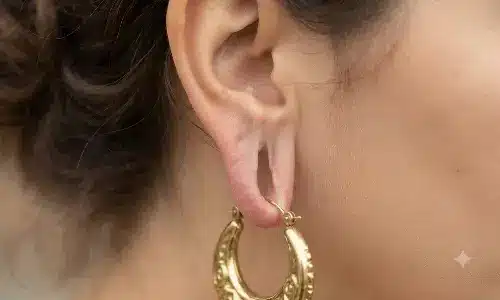
For many people, earrings are more than fashion choices—they’re an expression of personality, heritage, and style. But heavy, dangling, or oversized earrings can have a lasting effect, stretching earlobes and, over time, leading to sagging, thinning, and even tearing.
As a result, saggy earlobes have become a common cosmetic concern and have given rise to a popular procedure: the earlobe refresh. In this article, we’ll explore the causes behind earlobe damage, what to expect from surgical repair, and how to maintain youthful, attractive lobes for years to come. We’ll also answer common questions in a helpful Q&A section.
Understanding Earlobe Damage
The earlobe is made up of skin and fatty tissue, lacking the cartilage that gives the upper ear its shape. This leaves it vulnerable to stretching and tearing. Years of wearing heavy earrings, sleeping with earrings in, accidental tugs, or even gauges may all contribute to elongated holes or split lobes. Genetics and skin elasticity also have an effect; some people are more prone to stretching than others.
The Aesthetic Impact: Stretched or torn earlobes can age your appearance and make it difficult to wear earrings securely. Some people find that their favorite studs or hoops droop or fall out, while others feel self-conscious about the look of their lobes. Social and cultural factors may add to the desire for repair, especially for those who view earrings as an important accessory.
What Is Earlobe Repair Surgery?
Earlobe repair surgery, medically called lobuloplasty, is a minor surgical procedure performed by plastic surgeons or other specialist doctors. The procedure is quick, often taking less than 30 minutes per lobe, and can be done under local anesthesia.
The surgeon removes the damaged tissue, refreshes the edges of the tear or stretched hole, and stitches the lobe back together to restore its natural, rounded shape. Stitches are usually removed after a week, and the scar is minimal, often fading over time until it’s barely visible.
Candidates for Earlobe Repair, and the Recovery Process
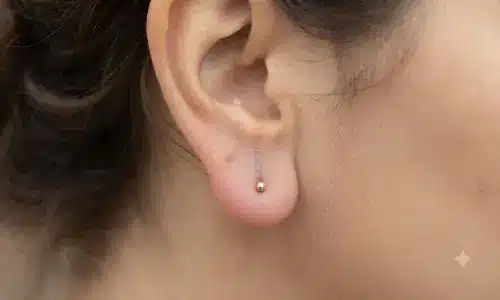
People who are unhappy with the appearance of their earlobes due to stretching, sagging, or tears can consider earlobe repair. Ideal candidates are in good general health, have realistic expectations, and are willing to follow aftercare instructions. The procedure is suitable for both men and women of any age.
The Recovery Process: Recovery is easy. Most people have minimal discomfort, easily managed with nonprescription pain relievers. It’s important to keep the area clean and avoid sleeping on the repaired side for a week or two. Swelling and bruising are rare and usually resolve quickly.
Patients are typically advised to wait six weeks before re-piercing their ears—always at a new site, avoiding the scar line to sustain the integrity of the repair.
Are There Non-Surgical Alternatives?
For those with only mild stretching, dermal fillers can sometimes be used to plump the lobe and create a more youthful appearance. However, injectable fillers do not address tears or significantly stretched holes and must be repeated every several months to maintain results.
Prevention: Keeping Ear Lobes Looking Their Best

Prevention is always preferable to repair. To avoid earlobe stretching or tearing:
- Choose lightweight earrings for daily wear.
- Remove earrings before sleeping or exercising.
- Avoid tugging or pulling on earrings.
- Be cautious with children and pets who may grab earrings.
- Periodically rest your ears by going earring-free.
For those who have worn gauges, earlobe repair can restore the lobe to a more natural look. The process is similar to repairing a tear, but may require more tissue removal and reshaping. Results depend on the size of the stretched opening and how long gauges were worn.
Cost and Insurance
Earlobe repair is considered a cosmetic procedure and is rarely covered by insurance. Costs vary depending on location, provider, and the complexity of the repair, but typically range from $300 to $1,000 per lobe.
Enjoy Permanent, Long-Term Results
Earlobe repair boasts a high satisfaction rate. With good aftercare, results are permanent, and most patients are able to wear earrings (with caution) after healing. Scarring is minimal, and the natural contour of the lobe is restored. To maintain results, it’s wise to avoid heavy earrings in the future.
The surgical repair procedure is a safe, effective, and relatively simple way to restore the natural beauty of your ears after damage from heavy earrings or gauges. With a skilled plastic surgeon and good aftercare, you can enjoy a youthful, refreshed appearance and confidently wear your favorite earrings again.
Interested in learning more about lobuloplasty? Dr. Susan Tan at Hawaii Facial Plastic Surgery in Honolulu is a facial plastic surgeon serving Oahu. You can reach her office at (808) 636-9084 to schedule an initial consultation.
Frequently Asked Questions
Q.1 How soon after surgery can I re-pierce my ears?
A.1. Most surgeons recommend waiting at least six weeks before re-piercing, always in a new spot away from the scar.
Q.2. Will there be a visible scar?
A.2. A fine scar is inevitable, although it usually fades dramatically with time and is hidden in the natural crease of the lobe.
Q.3. Does the procedure hurt?
A.3. Earlobe repair is done under local anesthesia, so you shouldn’t feel pain during the procedure. Mild soreness afterward is common but manageable with simple pain relievers.
Q.4. Can all stretched earlobes be repaired?
A.4. Most can, but extremely thin lobes or those with substantial tissue loss may need more advanced reconstruction. A consultation is the best way to determine your options.
Q.5. Can I prevent future stretching after repair?
A.5. Yes—wear lighter earrings, avoid sleeping in earrings, and take breaks from wearing them altogether.
Q.6. Are there risks to earlobe repair?
A.6. Risks are minimal but can include infection, poor healing, or asymmetry. Choosing a qualified, experienced provider lowers these risks.

