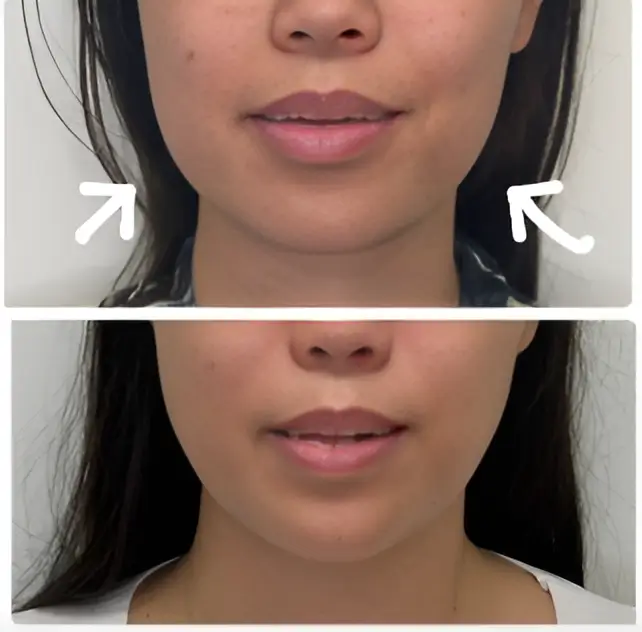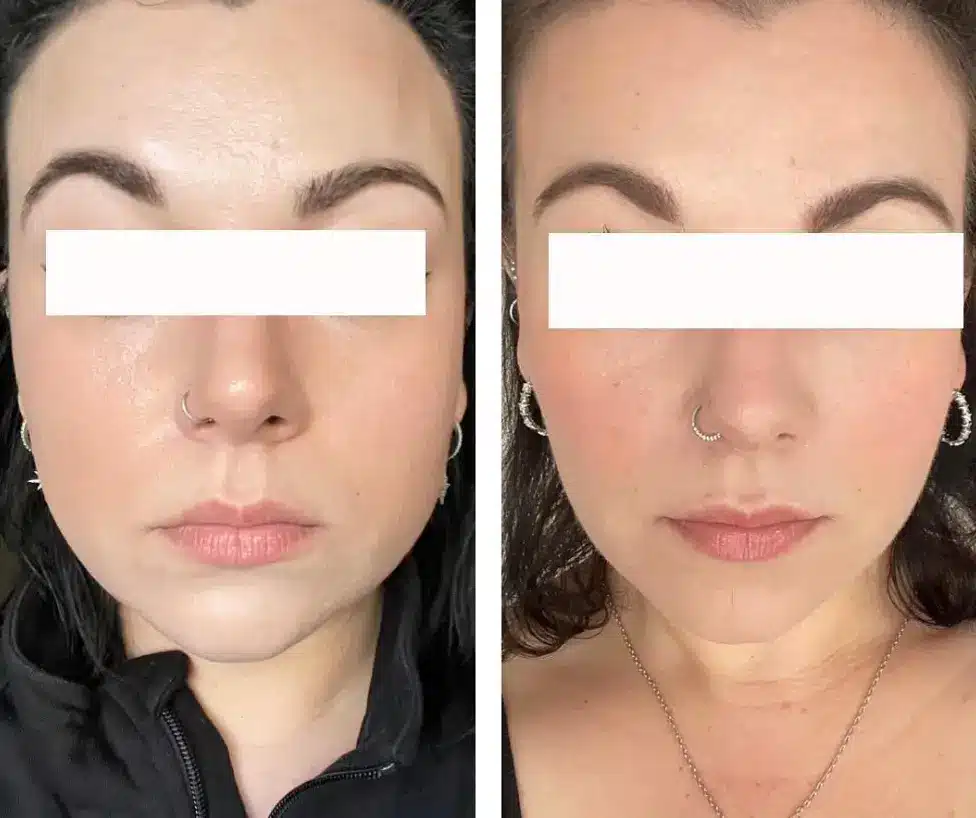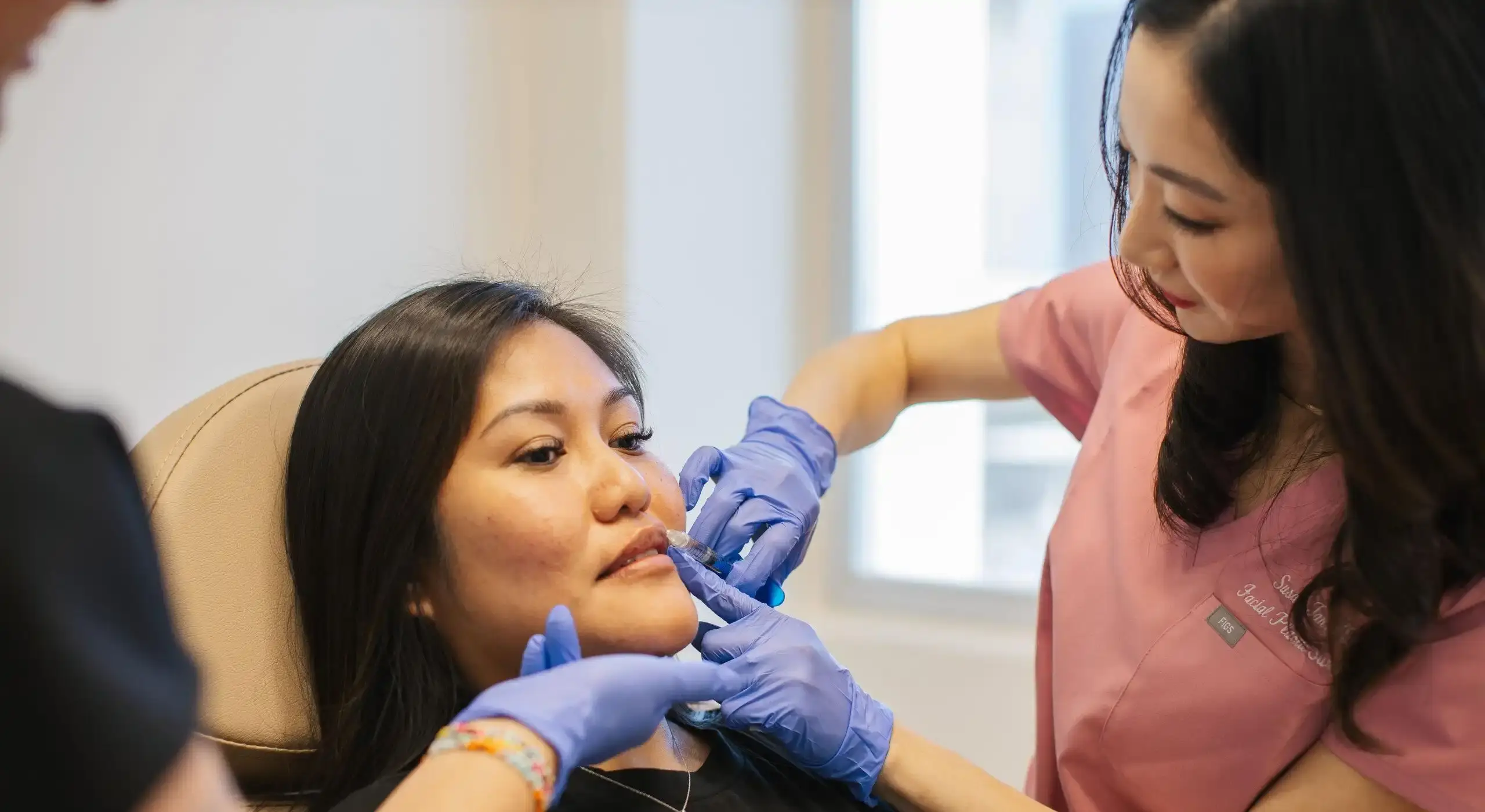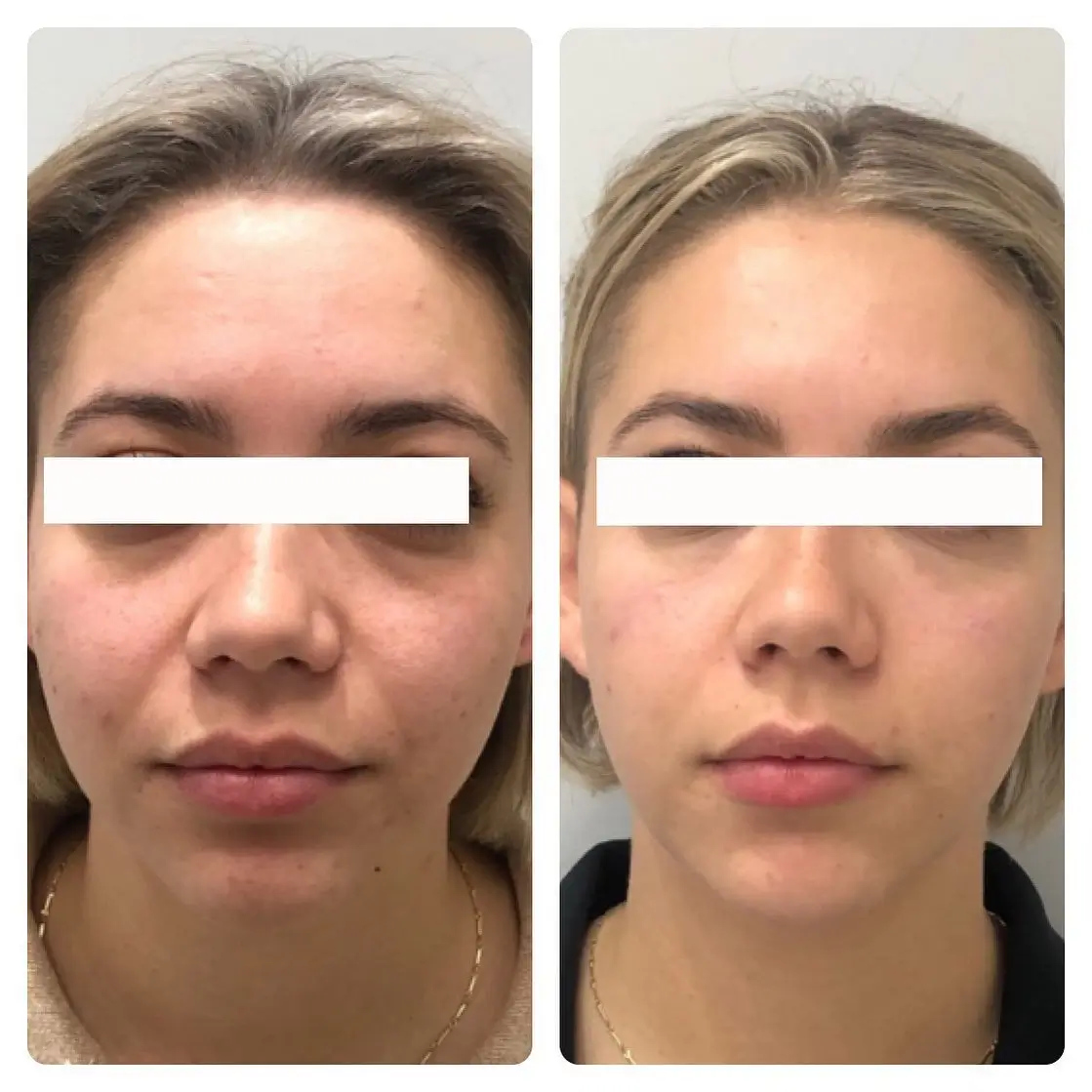

Archive for category: Facial Plastic Surgery

The Un-Pulled Facelift: Why Deep Plane is Better
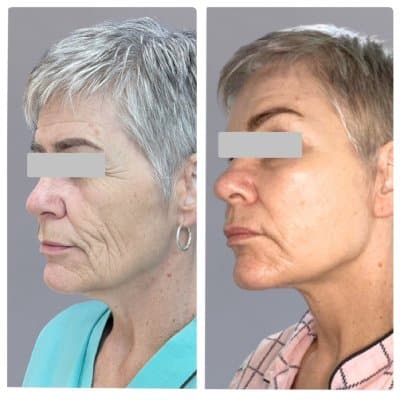
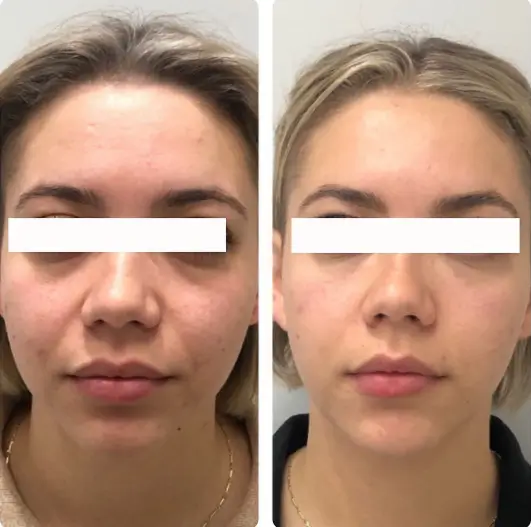
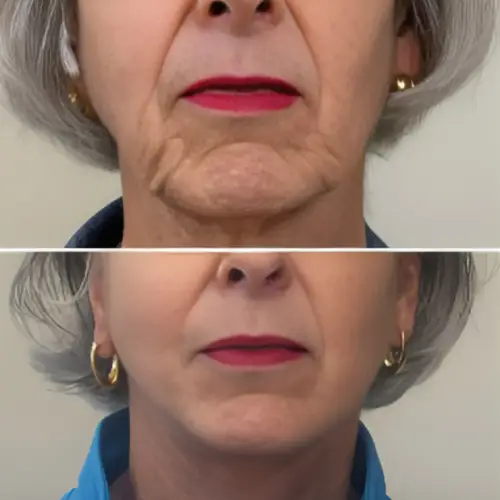
Traditional vs. deep plane facelift topic: side-by-side photos of a gray-haired woman whose creased cheeks and sagging jawline look lifted afterward.

In facial rejuvenation, the goal is a refreshed, natural look without obvious signs of surgery. Nowhere is this truer than in Honolulu and throughout Hawaii, where people are especially wary of appearing done, plastic, or over-pulled.

Therefore, for people seeking a facelift that produces subtle, age-defying results, the deep plane facelift has emerged as the gold standard. But how does it differ from traditional techniques, and why does it produce such a natural-looking outcome?

Understanding Facelifts: Traditional vs. Deep Plane

Facelifts have improved exponentially over the past few decades. Classic facelifts—often called “skin lifts”—focused on tightening the skin alone. While this method could temporarily smooth wrinkles and sagging, the results often looked unnatural, with skin that appeared taut and sometimes distorted. The underlying problem? Skin alone isn’t designed to support facial tissues for long-lasting rejuvenation.

Enter the SMAS: The Key to Natural Results
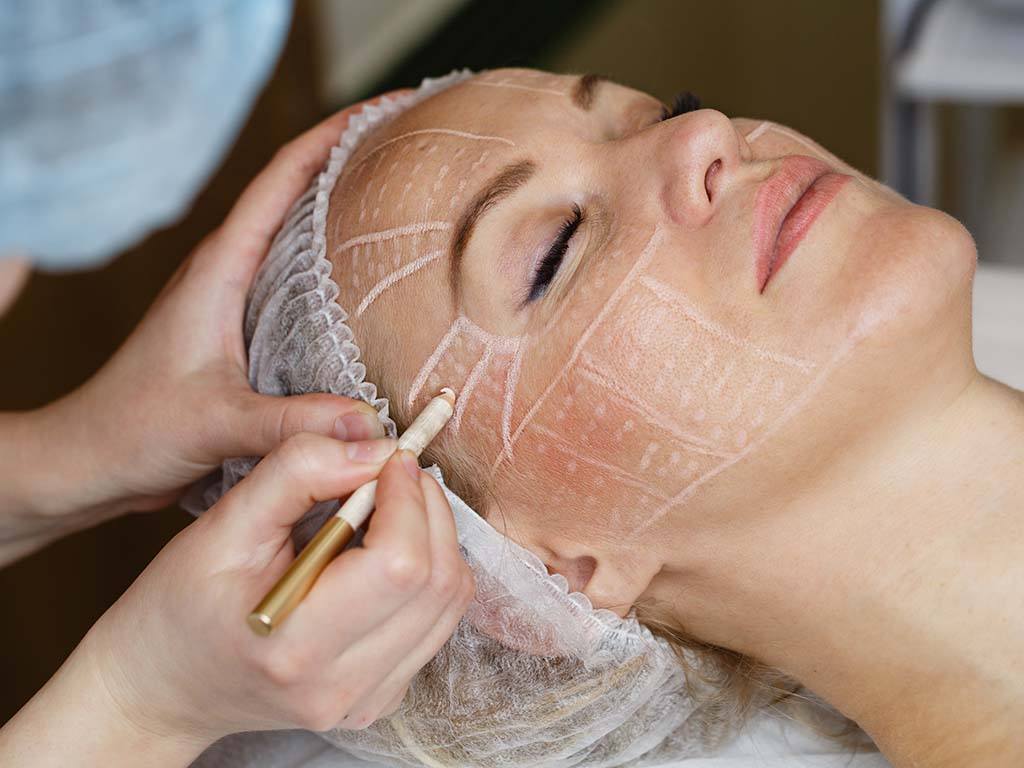
White pencil lines mapped across a relaxed woman's forehead, temple and cheek, the kind of facial planning behind an SMAS or deep plane facelift in Hawaii.

To overcome the shortcomings of skin-only lifts, facial plastic surgeons began targeting the SMAS (Superficial Musculoaponeurotic System)—a layer of muscle and connective tissue beneath the skin.

The SMAS is the true support structure of the mid and lower face. By repositioning and tightening the SMAS, surgeons can restore a more youthful appearance than skin tightening alone.

Traditional SMAS facelifts frequently involve lifting the skin first, then separately tightening or folding the SMAS layer. While this approach is an improvement, it still risks a pulled or overdone appearance if not performed artfully. That’s where the deep plane facelift comes in.

What Is a Deep Plane Facelift?

A deep plane facelift is a surgical technique that lifts the skin, SMAS, and deeper facial tissues as a single unit. Rather than separating the skin from the SMAS, the surgeon releases key ligaments that tether the facial layers, allowing the entire facial structure to be gently lifted and repositioned together.

This deep-plane approach delivers various essential advantages:

  1. Natural Movement: Because the skin is attached to the underlying muscle and fat, the face moves naturally with expressions.
  2. Long-Lasting Results: The deeper lift counteracts gravity’s effects at the structural level, not only at the surface.
  3. Soft, Un-Pulled Look: No tension on the skin, so results look soft, smooth, and never tight.
  4. Improved Neck and Jawline: Releasing deeper ligaments can dramatically improve the jawline and neck, where aging is often most noticeable.

Why People in Hawaii Prefer Deep Plane
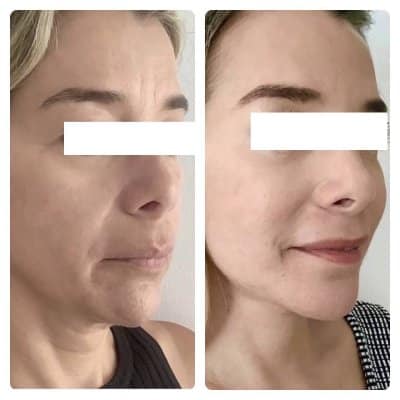
Angled before-and-after of a blonde woman: her smile lines, jowls and jawline look softer and more defined, the refreshed look Hawaii patients want.

In Honolulu and throughout Hawaii, where sun exposure and an active lifestyle are part of daily life, facial aging can accelerate. Yet, the cultural preference for subtlety and inherent beauty remains strong. Deep plane facelifts are the best choice for patients who want to look refreshed—not radically different.

Hawaii’s diverse population also means facial anatomy varies widely. The deep plane approach is highly customizable, allowing plastic surgeons to customize the lift to each patient’s unique features while respecting ethnic and cultural aesthetics.

The Deep Plane Facelift Procedure: Step by Step

  1. Initial Consultation: The journey starts with a detailed consultation. Your surgeon will evaluate your facial anatomy, discuss your goals, and review your medical history.
  2. Day of Surgery Begins with Anesthesia: Keeping you comfortable is paramount. The procedure is typically performed under general anesthesia or deep sedation to ensure comfort.
  3. Incisions: The surgeon places incisions carefully within the hairline and natural creases around the ear, making them nearly invisible once healed.
  4. Deep Plane Dissection: The surgeon releases specific ligaments, freeing the skin, SMAS, and deeper tissues. This allows for safe, tension-free elevation of the entire facial unit.
  5. Repositioning: The surgeon lifts the facial tissues vertically and slightly backward to restore youthful contours, particularly along the cheeks, jawline, and neck.
  6. Closure: The surgeon gently trims excess skin and closes incisions with exacting suturing.
  7. Recovery: Most patients return home the same day. Swelling and bruising peak in the first week and gradually improve. Most people are comfortable returning to social activities within two to three weeks.

Results and Longevity

A deep plane facelift delivers stunning yet subtle improvements—fuller cheeks, softer nasolabial folds, and a crisp jawline.

Because the lift is performed at the structural level, results last significantly longer than with traditional facelifts. While no procedure can stop the aging process entirely, many patients enjoy their rejuvenated appearance for 10 years or more.

Common Myths About Facelifts

Myth 1: I’ll look like a different person. — Deep plane facelifts enhance your natural beauty without changing your fundamental facial features. Friends may notice you look refreshed, but not operated on.

Myth 2: Everyone will know I had surgery. — With hidden incisions and a tension-free lift, scars are virtually invisible, and results look natural. Most people won’t suspect you’ve had a facelift—unless you tell them.

Myth 3: Recovery takes forever. — While there is downtime, recovery is often quicker and easier than people expect, especially with modern techniques.

Is a Deep Plane Facelift Right for You?
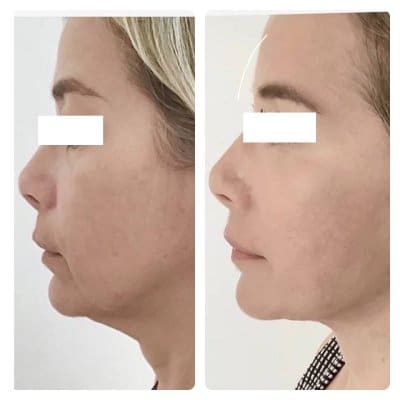
Side profile before and after of a blonde woman: loose skin under the chin and a soft jawline look tighter, common deep plane facelift concerns.

Ideal candidates are healthy, non-smoking adults who are bothered by sagging cheeks, jowls, and neck skin. You can combine the procedure with eyelid surgery, a brow lift, or skin resurfacing for a more complete rejuvenation.

If you’d like a natural, long-lasting solution to facial aging—without the stigma of an overdone or unnatural look—the deep plane facelift is recognized as the preferred choice.

In Oahu, where genuineness and subtlety matter, this advanced technique gives patients the confidence to look as good as they feel, with results that celebrate their individual beauty.

Interested in a personal consultation with an experienced, board-certified facial plastic surgeon? Call us at Hawaii Facial Plastic Surgery to make an appointment at (808) 636-9084 or contact us online.

Frequently Asked Questions

A.1. In contrast to traditional facelifts that lift the skin and SMAS separately, a deep plane facelift lifts all layers together, resulting in a more natural look with less risk of a pulled appearance.

A.2. Most people experience swelling and bruising for 1–2 weeks and can resume social activities in about 2–3 weeks. Complete healing may take several months.

A.3. Incisions are hidden in the hairline and around the ears. Once healed, scars are typically very discreet.

A.4. Results can last 10 years or longer, depending on your genetics, lifestyle, and skincare routine.

A.5. When performed by a board-certified and experienced facial plastic surgeon, the procedure is very safe. As with any surgery, risks exist, but complications are rare.


The Earlobe Refresh: Fixing Heavy Earring Damage

Earlobe Repair Surgery (Lobuloplasty) is the Answer


Close-up of a stretched earlobe with an elongated piercing hole pulled down by a heavy gold hoop earring, a common reason for lobuloplasty in Hawaii.

For many people, earrings are more than fashion choices—they’re an expression of personality, heritage, and style. But heavy, dangling, or oversized earrings can have a lasting effect, stretching earlobes and, over time, leading to sagging, thinning, and even tearing.

As a result, saggy earlobes have become a common cosmetic concern and have given rise to a popular procedure: the earlobe refresh. In this article, we’ll explore the causes behind earlobe damage, what to expect from surgical repair, and how to maintain youthful, attractive lobes for years to come. We’ll also answer common questions in a helpful Q&A section.

Understanding Earlobe Damage

The earlobe is made up of skin and fatty tissue, lacking the cartilage that gives the upper ear its shape. This leaves it vulnerable to stretching and tearing. Years of wearing heavy earrings, sleeping with earrings in, accidental tugs, or even gauges may all contribute to elongated holes or split lobes. Genetics and skin elasticity also have an effect; some people are more prone to stretching than others.

The Aesthetic Impact: Stretched or torn earlobes can age your appearance and make it difficult to wear earrings securely. Some people find that their favorite studs or hoops droop or fall out, while others feel self-conscious about the look of their lobes. Social and cultural factors may add to the desire for repair, especially for those who view earrings as an important accessory.

What Is Earlobe Repair Surgery?

Earlobe repair surgery, medically called lobuloplasty, is a minor surgical procedure performed by plastic surgeons or other specialist doctors. The procedure is quick, often taking less than 30 minutes per lobe, and can be done under local anesthesia.

The surgeon removes the damaged tissue, refreshes the edges of the tear or stretched hole, and stitches the lobe back together to restore its natural, rounded shape. Stitches are usually removed after a week, and the scar is minimal, often fading over time until it’s barely visible.

Candidates for Earlobe Repair, and the Recovery Process

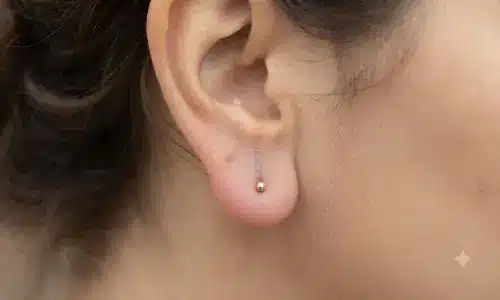
Close-up of a smooth, rounded earlobe wearing a tiny rose gold bead earring, showing the kind of natural lobe shape earlobe repair aims to restore.

People who are unhappy with the appearance of their earlobes due to stretching, sagging, or tears can consider earlobe repair. Ideal candidates are in good general health, have realistic expectations, and are willing to follow aftercare instructions. The procedure is suitable for both men and women of any age.

The Recovery Process: Recovery is easy. Most people have minimal discomfort, easily managed with nonprescription pain relievers. It’s important to keep the area clean and avoid sleeping on the repaired side for a week or two. Swelling and bruising are rare and usually resolve quickly.

Patients are typically advised to wait six weeks before re-piercing their ears—always at a new site, avoiding the scar line to sustain the integrity of the repair.

Are There Non-Surgical Alternatives?

For those with only mild stretching, dermal fillers can sometimes be used to plump the lobe and create a more youthful appearance. However, injectable fillers do not address tears or significantly stretched holes and must be repeated every several months to maintain results.

Prevention: Keeping Ear Lobes Looking Their Best

Profile of a woman with her hair in a low bun wearing small, thin hoop earrings, an example of lightweight earrings that help prevent lobe stretching.

Prevention is always preferable to repair. To avoid earlobe stretching or tearing:

  • Choose lightweight earrings for daily wear.
  • Remove earrings before sleeping or exercising.
  • Avoid tugging or pulling on earrings.
  • Be cautious with children and pets who may grab earrings.
  • Periodically rest your ears by going earring-free.

For those who have worn gauges, earlobe repair can restore the lobe to a more natural look. The process is similar to repairing a tear, but may require more tissue removal and reshaping. Results depend on the size of the stretched opening and how long gauges were worn.

Cost and Insurance

Earlobe repair is considered a cosmetic procedure and is rarely covered by insurance. Costs vary depending on location, provider, and the complexity of the repair, but typically range from $300 to $1,000 per lobe.

Enjoy Permanent, Long-Term Results

Earlobe repair boasts a high satisfaction rate. With good aftercare, results are permanent, and most patients are able to wear earrings (with caution) after healing. Scarring is minimal, and the natural contour of the lobe is restored. To maintain results, it’s wise to avoid heavy earrings in the future.

The surgical repair procedure is a safe, effective, and relatively simple way to restore the natural beauty of your ears after damage from heavy earrings or gauges. With a skilled plastic surgeon and good aftercare, you can enjoy a youthful, refreshed appearance and confidently wear your favorite earrings again.

Interested in learning more about lobuloplasty? Dr. Susan Tan at Hawaii Facial Plastic Surgery in Honolulu is a facial plastic surgeon serving Oahu. You can reach her office at (808) 636-9084 to schedule an initial consultation.

Frequently Asked Questions

A.1. Most surgeons recommend waiting at least six weeks before re-piercing, always in a new spot away from the scar.

A.2. A fine scar is inevitable, although it usually fades dramatically with time and is hidden in the natural crease of the lobe.

A.3. Earlobe repair is done under local anesthesia, so you shouldn’t feel pain during the procedure. Mild soreness afterward is common but manageable with simple pain relievers.

A.4. Most can, but extremely thin lobes or those with substantial tissue loss may need more advanced reconstruction. A consultation is the best way to determine your options.

A.5. Yes—wear lighter earrings, avoid sleeping in earrings, and take breaks from wearing them altogether.

A.6. Risks are minimal but can include infection, poor healing, or asymmetry. Choosing a qualified, experienced provider lowers these risks.

Recovering in Paradise: Sun Safety After Plastic Surgery

Having plastic surgery on your face or neck is a major decision—one that brings renewed confidence and improved appearance. But for some patients, the promise of facial rejuvenation may be accompanied by a looming hazard: the sun. 

With its powerful ultraviolet (UV) rays, the sun can affect the healing process and the final appearance of surgical scars, many of which should become invisible. Therefore, if you’re recovering from facial or neck plastic surgery, understanding sun safety is not just helpful—it’s essential. 

This guide will take you through why sun protection matters, the best ways to safeguard your scars, and answer your most pressing post-op questions.

Why Is Sun Protection Important After Surgery?

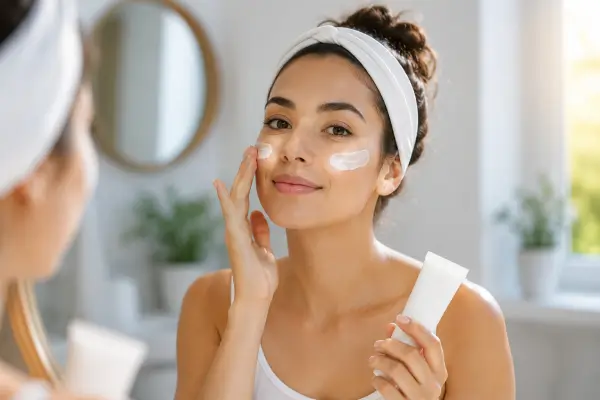
Woman looking in a mirror applying safe mineral sunscreen to healing facial incisions as recommended by Hawaii Facial Plastic Surgery.

Your skin is most vulnerable shortly after surgery. Incisions—no matter how expertly closed—create a temporary weak spot in the skin’s barrier. In the weeks and months following your procedure, the healing skin is more sensitive to UV damage. Here’s why you need to be extra cautious:

  1. Hyperpigmentation Risk: Exposing healing scars to the sun can cause them to darken, resulting in long-term discoloration.
  2. Thicker, Raised Scars: Too much UV exposure can trigger more inflammation, increasing the risk of hypertrophic or keloid scars.
  3. Delayed Healing: Sunburn or repeated irritation slows down the natural healing process, putting your surgical results at risk.

The bottom line? Protecting your scars from the sun is one of the easiest—and most effective—ways to assure optimal healing and beautiful results.

Top Tips for Sun Safety Post-Op

  • Stay Out of Direct Sunlight: For at least the first 4–6 weeks post-op, plastic surgeons advise their patients to avoid sun exposure as much as possible. If you must go outside, do so early in the morning or late in the afternoon when UV rays are weakest.
  • Physical Barriers Are Your Closest Ally: Wide-brimmed hats, scarves, and UV-protective clothing can shield your face and neck from direct rays. Physical barriers are especially important when your incisions are still fresh.
  • Use the Right Sunscreen: Once your incisions have fully closed (typically after 2–3 weeks, or as advised by your surgeon), start using a broad-spectrum sunscreen. Look for formulas containing zinc oxide or titanium dioxide—these mineral sunscreens are gentle, non-irritating, and provide a physical barrier to both UVA and UVB rays.
  • Be Mindful of SPF: Look for SPF 30 sunscreen or higher. Reapply every two hours, or more frequently if sweating or swimming.
  • Embrace Silicone Sheets and Gels: These products not only help flatten and fade scars but also supply an additional protective layer from the elements, including sunlight. Use silicone products as directed by your surgeon.
  • Absolutely Avoid Tanning Beds: Artificial UV sources can be just as damaging as the sun. Steer clear of tanning beds entirely during your recovery.
  • Monitor Your Healing: Check your incisions regularly for signs of redness, darkening, or irritation. If you notice any unusual changes, contact your surgeon promptly.

How to Choose a Safe Sunscreen for Healing Incisions

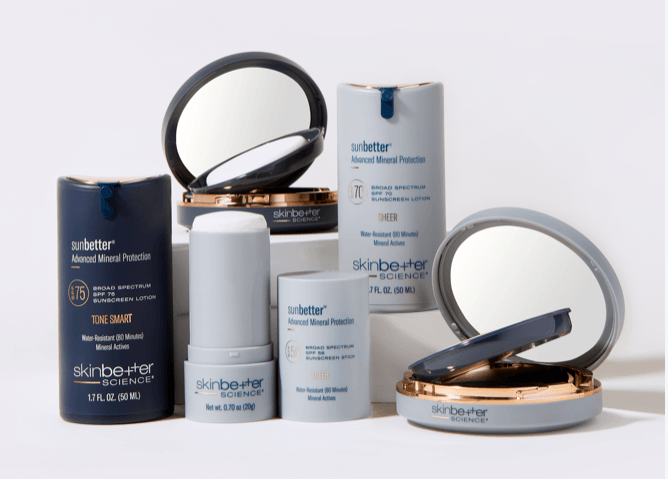
Skinbetter sunscreen for protecting your skin after facial plastic surgery in Hawaii.Not all sunscreens are created equal, especially for post-operative skin. Here’s what to look for:



  • Mineral-based ingredients: Zinc oxide and titanium dioxide are less likely to irritate sensitive skin.
  • Fragrance-free and hypoallergenic: Reduces the risk of allergic reactions or contact dermatitis.
  • Non-comedogenic: Won’t clog pores, which is important for facial healing.
  • No harsh alcohols or preservatives: These can dry out or irritate delicate, healing skin. 

Ask your surgeon for product recommendations, such as Sunbetter Skincare by Skinbetter Science or ZO® Skin Health Suncreen & SPF Products, if you’re unsure. Patch test any new sunscreen on a small area before applying more broadly.

Scar Care: Beyond Sun Protection

While sun safety is vital, proper scar care also involves:

  • Keeping incisions clean and moisturized
  • Using recommended scar creams or silicone products
  • Avoid picking or scratching the area
  • Following all post-op instructions from your surgical team

Consistency matters most. The more routinely you care for your scars, the better your long-term results will be.

Protect Scars from the Sun and Heal Beautifully

Honolulu woman at the beach with a graphic UV shield protecting her neck surgery scar from the sun, ensuring beautiful healing results.

Recovering from facial or neck plastic surgery is an investment in yourself, toward a more youthful and refreshed appearance. With a bit of planning and the right sun safety habits, you can enjoy life in a sunny, tropical area like Oahu without worry—knowing you’re protecting your health and your results.

Always follow your surgeon’s post-op instructions, prioritize physical sun protection, and choose gentle, effective skincare products. Your future self is going to thank you.

Need information about protecting scars from the sun or about plastic surgery procedures? Contact Hawaii Facial Plastic Surgery at (808) 636-9084 to schedule a consultation. Our services include cosmetic surgery of the face and neck.

Frequently Asked Questions

A.1. Scars can remain sensitive to UV damage for up to a year after surgery. It’s best to use extra sun protection as long as you notice any redness or color difference in the scar.

A.2. While good sun protection and excellent surgical techniques make scars much less noticeable, some degree of visible scarring may be natural. Your goal should be to help the scar mature to its best possible appearance.

A.3. Wait until your incisions are fully closed and there are no open wounds—usually at least 2–3 weeks, but always defer to your surgeon’s advice. Before that, rely on physical barriers.

A.4. SPF 30 or higher is recommended. Broad-spectrum (UVA and UVB protection) coverage is essential.

A.5. While makeup with SPF offers some protection, it’s usually not enough for post-op skin. Use a dedicated sunscreen under your makeup for full coverage.

The Executive Refresh: Subtle Cosmetic Surgery

As an effective leader, you do more than make decisions and lead results. When you have presence—being perceived well in the boardroom, during client meetings, or even in video calls, it improves your reputation and leads to greater success. 

In today’s work culture, where favorable impressions are formed in seconds, looking alert and approachable can be as important as your credentials. This is why subtle cosmetic surgery procedures, often called an Executive Refresh, are gaining popularity with both women and men in leadership roles.

Why Appearance Matters in Leadership

A smiling blonde woman in a light blue top rests her chin on her hands, demonstrating why appearance matters in leadership and first impressions.

Research repeatedly shows that people’s opinions of leaders are heavily influenced by first impressions, often before a single word is spoken. Attributes like trustworthiness, openness, and energy are frequently drawn from facial expressions. 

Unfortunately, the natural aging process can sometimes misrepresent how leaders actually feel. Deep frown lines, drooping eyelids, or a tired appearance may signal anger, stress, or even disinterest—none of which a leader wants to project.

“Even if I feel energized, people sometimes ask me if I’m upset or tired,” said one Fortune 500 executive who recently underwent a minor procedure. “I realized that my appearance was sending the wrong message.”

The Most Common Concerns

The two most common areas of concern for executive men and women are the upper face and eye area. Over time, skin can lose its elasticity, leading to:

  • Deep frown lines between the brows
  • Sagging or hooded upper eyelids
  • Drooping eyebrows

These age-related changes in appearance can create an unintentional impression of anger or fatigue. In high-stakes environments, where perception influences confidence and cooperation, it can become a real liability.

Solutions: Brow Lift and Upper Eyelid Surgery

The good news is that facial plastic surgeons offer subtle but meaningful solutions. Two minimally invasive cosmetic procedures stand out:

  1. Brow Lift

A brow lift subtly elevates the eyebrows to smooth out deep frown lines and restore a more relaxed, youthful appearance. The procedure makes only small incisions hidden in the hairline and requires minimal downtime. Properly performed, it will leave you looking refreshed and approachable, but never overdone or surprised. 

  1. Upper Eyelid Surgery

Upper eyelid surgery, or blepharoplasty, removes excess skin and fat from the eyelids, helping you look more awake and alert. It’s a frequent choice for executives because it delivers a noticeable improvement with virtually invisible scarring. The procedure can often be completed in under an hour, and most people return to work within a week.

The Subtlety Factor: Looking Like Yourself—But Better

One of the biggest fears executives have is appearing unnatural. Today’s best plastic surgeons value natural results, aiming for subtle improvements that colleagues and clients may notice but can’t quite pinpoint. “People kept wondering if I’d taken a great vacation,” laughed one C-suite patient. “No one guessed I’d had a procedure.”

Recovery and Downtime: What to Expect

Side-by-side before and after photos of a woman's face with white bars covering her eyes, depicting brow lift and eyelid surgery recovery.

Executives with busy careers and lives often worry about the impact of recovery on their schedules. Luckily, both brow lifts and upper blepharoplasty require only minimal downtime:

  • Brow Lift: Most swelling and bruising subside within a week. Stitches are typically removed after 7-10 days.
  • Upper Eyelid Surgery: Minor swelling and bruising may last up to 10 days. Women can usually wear makeup after a week.

Many professionals schedule their procedures to coincide with vacations or long weekends, reducing disruption to work.

Choosing the Right Surgeon

Selecting an experienced, board-certified facial plastic surgeon is critical. Look for someone who prioritizes subtle, natural results and who understands the individual needs of executives who can’t afford a dramatic change or a lengthy recovery.

  • Ask to see before-and-after photos
  • Inquire about the surgeon’s experience with executive clients
  • Ensure your surgeon listens to your goals and concerns

The Psychological Boost

It’s not only about looking better—it’s about feeling more confident. “I noticed I was speaking up more and engaging more fully in meetings,” reports a tech industry CEO. “I didn’t realize how much my self-consciousness about my appearance was holding me back.”

Ready to Look Refreshed?

In competitive businesses where leadership presence matters, subtle appearance improvements from cosmetic procedures like brow lifts and upper blepharoplasty can help you put your best face forward. By looking more rested, approachable, and alert, you’ll ensure your appearance reflects your energy and expertise.

If you’re considering an executive refresh, remember: the goal isn’t to look different, just to look like the best, most approachable version of yourself. In Oahu and ready to learn more? Contact Hawaii Facial Plastic Surgery at (808) 636-9084 to schedule a consultation. Our services include browlifts and eyelid surgery.

Frequently Asked Questions

A.1. Facial plastic surgeons today stress natural-looking results. Friends and colleagues may notice an improvement, but the change should be subtle enough that they won’t suspect surgery.

A.2. Most executives take 7-10 days off, but many return to online meetings sooner with the help of makeup or glasses to camouflage minor bruising.

A.3. Both procedures are typically performed under local anesthesia with sedation. Discomfort is usually mild and easily controlled with over-the-counter pain medication.

A.4. Improvements from a brow lift or eyelid surgery can last many years. Good skincare and sun protection will help maintain your refreshed appearance.

A.5. Schedule a consultation with a board-certified facial plastic surgeon. They’ll evaluate your concerns, discuss your goals, and recommend the best approach for you.

Facial Fat Grafting vs. Dermal Fillers

How Do You Decide Which is Best?

Comparison of results from facial fat grafting vs dermal fillers treatments in Hawaii.

With facial rejuvenation a topic of interest for many people, it’s natural that questions about two of the most popular procedures—facial fat grafting and dermal fillers—would be on people’s minds. Both can improve facial contours, smooth wrinkles, and restore lost volume.

But how do you decide which treatment is best for you? In this article, we’ll look at the differences, benefits, drawbacks, and frequently asked questions about facial fat grafting and dermal fillers.

Understanding Facial Fat Grafting

Facial fat grafting, or fat transferring, removes fat from one part of your body where you don’t want it (typically the abdomen, thighs, or love handles) and injects it into areas of the face that need volume. The procedure is performed under local or general anesthesia and can be done alone or in combination with other facial procedures.

Benefits of Facial Fat Grafting:

  • Uses your body’s natural tissue; less risk of an allergic reaction
  • Longer-lasting than fillers; often permanent results
  • Known for improving skin texture and quality
  • Natural-looking outcomes

Drawbacks of Facial Fat Grafting:

  • Requires a minor surgical procedure
  • Some of the transferred fat may not survive, requiring touch-ups
  • Longer recovery time compared to fillers
  • Results can be less predictable

Understanding Dermal Fillers

Dermal fillers are injectable substances (such as hyaluronic acid, calcium hydroxylapatite, or poly-L-lactic acid) used to add volume, smooth lines, and improve facial contours. Treatments are performed in-office with minimal recovery time.

Benefits of Dermal Fillers:

  • Quick, minimally invasive cosmetic treatment
  • Immediate results
  • Little or no downtime
  • Highly customizable

Drawbacks of Dermal Fillers:

  • Temporary results (typically 6–18 months)
  • Potential for allergic reactions (rare)
  • May require regular maintenance treatments
  • Not suitable for large volume replacement

Injectable filler in Hawaii used to restore volume, wrinkle reduction, and more.

Comparing the Two: Which is Best for You?

The best treatment depends on your goals, body, lifestyle, and preferences. Here are some factors to consider:

  • How Long They Last: Fat grafting is generally longer-lasting, while dermal filler injections are temporary.
  • How Natural They Look: Fat grafting uses your own tissue for a natural feel and look. In the hands of a qualified and experienced injector, fillers can also produce natural results, but some people prefer more natural materials.
  • The Downtime After Treatment: Dermal fillers offer a quick recovery, while grafting may require several days of downtime.
  • How Much Volume You Need to Add: Fat grafting is ideal for larger volume restoration, whereas fillers work well for targeted areas and minor corrections.
  • Your Budget: While grafting is costlier upfront, it may be more economical over time. Fillers have lower per-treatment costs but require ongoing maintenance.

Who is a Good Candidate?

Facial Fat Grafting

  • People seeking more permanent volume restoration
  • Those who have areas of excess fat elsewhere on the body
  • Patients comfortable with minor surgery and the recovery time

Dermal Fillers

  • People wanting immediate results with minimal downtime
  • Those looking for minor enhancements that are more temporary
  • Patients not ready for surgery

The Initial Consultation: What to Expect

A consultation with a board-certified plastic surgeon, such as Susan Tan, MD, founder and medical director of Hawaii Facial Plastic Surgery, is essential. She will assess your facial anatomy, discuss your goals, review your medical history, and recommend the best option for your needs.

Aftercare and When the Results Show

Facial recovery and aftercare following fat grafting procedure and injections with dermal fillers in Honolulu, HI.

After Fat Grafting: Expect swelling, bruising, and mild discomfort for 1–2 weeks. Most patients see improvements once the swelling subsides, and results can last for years. Some fat may be reabsorbed, so touch-ups may be necessary, depending on your body.

After Fillers: Mild swelling or bruising may occur, but most people resume normal activities immediately. Results are visible right away and last several months to over a year, depending on the product used.

Risks and Safety

Both procedures are generally safe when performed by experienced providers. Risks include infection, asymmetry, lumps or irregularities, and allergic reactions (rare with injectable fillers, very rare with fat grafting). Always choose a qualified practitioner for maximum safety and results.

Ready to Meet the Doctor and Get Started?

Facial fat grafting and injectable dermal fillers are both excellent options for facial rejuvenation, each with its own advantages.

Understanding the differences and meeting with a qualified provider will help you make the best choice for your goals. Whether you want immediate, subtle changes or long-lasting, natural volume restoration, there’s a treatment that’s right for you.

Frequently Asked Questions

A. Fat grafting is a surgical procedure that brings longer-lasting results and costs more. Injections with dermal fillers are nearly always less expensive, but they do not last as long, and there is a cost for subsequent touch-up visits.

A.2. Yes. Some patients benefit from a combination approach—using grafting for foundational volume and fillers for fine-tuning or targeted areas.

A.3. Fillers provide instant volume, though some swelling may occur. Grafting results occur over weeks as swelling subsides and the transferred fat settles.

A.4. Fillers are typically less painful, as they require only small injections. Grafting involves liposuction and injections, so there is more discomfort and downtime.

A.5. Both can improve wrinkles, but deeper folds may require a combination of treatments or additional procedures, such as laser resurfacing.

A.6. Look for board-certified plastic surgeons or dermatologists with extensive knowledge of facial anatomy and experience in facial rejuvenation. Ask to see before-and-after photos and clearly discuss your goals.

The Rise of Natural-Looking Facial Rejuvenation

Embracing Subtle Beauty vs. the “Overdone Look”

Before and after showcasing subtle, natural facial rejuvenation and lifting that results in balanced features. Procedure performed at Hawaii Facial Plastic Surgery.

In recent years, the plastic surgery and cosmetic treatment worlds have seen a dramatic shift in patient preferences and practitioner philosophies. Gone are the days when people admired the noticeably sculpted cheeks, plumped lips, and airbrushed skin that represented the so-called “overdone look.”

Today, both facial plastic surgery and non-surgical cosmetic treatments are trending toward realistic, natural-looking facial rejuvenation—a movement that celebrates subtlety, authenticity, and the augmentation of one’s unique features.

The Evolution of Today’s Cosmetic Trends

For much of the late 20th and early 21st centuries, Hollywood and social media set beauty standards that were often unattainable without major intervention. The prior hallmarks of “beauty” led many to desire dramatic transformations.

  • High-arched brows
  • Puffy, exaggerated lips
  • Flawlessly smooth skin

As aesthetic medicine and cosmetology have advanced, so has our appreciation of facial harmony and the value of individual uniqueness. The rise of influencers who champion self-acceptance, coupled with a cultural backlash against obviously altered appearances, triggered a new era.

Today, the most sought-after improvements are those which whisper rather than shout, turning the focus to refreshed, rested, and naturally youthful faces.

What Does “Natural-Looking” Mean?

Dr Susan Tan, a double board certified female plastic surgeon in Honolulu, discusses facial rejuvenation options for natural-looking results.

At Hawaii Facial Plastic Surgery, our founder and medical director, Susan Tan, MD, is an outspoken proponent of natural-looking facial rejuvenation. It involves procedures—surgical and non-surgical—that improve appearance without giving obvious signs of intervention. This approach concentrates on:

  • Proportion and Symmetry: Enhancing features so they complement the existing facial structure.
  • Subtlety and Restraint: Using techniques that avoid overcorrection, leaving room for natural movement and expression.
  • Longevity: Focusing on treatments that age gracefully, lessening the requirement for frequent maintenance or drastic revisions.

Facial Plastic Surgery: Less is More

The most sought-after and influential plastic surgeons are increasingly recommending more advanced, less invasive surgical techniques. Facelifts, for example, have evolved from tight, stretched results to innovative procedures like the deep-plane technique, which lifts and repositions tissue with finesse.

Cosmetic surgeons today often preserve volume rather than removing it entirely, recognizing that a youthful face is defined by softness, not skin tautness alone.

Other surgical options, such as neck lifts, eyelid surgery (blepharoplasty), and nose surgery (rhinoplasty), are also performed to complement the patient’s natural facial anatomy. The best surgical work is often invisible—a refreshed appearance that prompts compliments like “You look great!” instead of “Have you had work done?”

Today’s Boom in Non-Surgical Options

Dr Susan Tan injects dermal fillers as part of a non-surgical facial treatment to increase lip volume.

Today, it’s possible to address issues such as volume loss, fine lines, and uneven skin tone without surgery. The key to natural outcomes lies in conservative application.

Non-surgical cosmetic treatments have exploded in popularity, offering minimal downtime and results that can be tailored precisely.

What Caused the Change in Preferences?

The movement toward natural-looking plastic surgery and non-surgical cosmetic treatments is more than a short-lived trend—it’s connected to wider cultural changes. Consumers are more aware and thoughtful, seeking treatments that correspond with their values and personal identities.

An avalanche of “before and after” photos routinely posted online showcase beautiful results and undetectable changes, along with candid patient testimonials. They have destigmatized cosmetic procedures while raising the bar for what is considered desirable.

Also, the global conversation about mental health and self-esteem has encouraged people to view cosmetic procedures as a means of self-care, not transformation. The happiest outcomes are those that help people feel like the best version of themselves—not someone else entirely.

Why Choosing the Right Provider Matters

Achieving a natural look through surgical or cosmetic procedures requires a partnership with a skilled, ethical provider. Look for doctors and cosmetologists who:

  • Understand facial anatomy and have experience.
  • Listen carefully to your goals and concerns.
  • Offer a full consultation, including discussion of risks and realistic outcomes.
  • Can show you images of their subtle, well-executed results.
  • Put your comfort and well-being first.

The Natural Look Brings Out Your Beauty

Hawaii Facial Plastic Surgery before and after display how natural-looking facial rejuvenation can enhance aesthetics without creating an overdone look.

Whether your goals are best met by facial plastic surgery or non-surgical cosmetic treatments, today’s trends favor more subtle, natural-looking results that bring out your unique beauty. The “overdone look” is more a thing of the past, and the era of natural-looking facial rejuvenation is here to stay.

Today’s vision of beauty enables you to celebrate your individual beauty while enjoying the benefits of modern cosmetic medicine and its non-surgical alternatives.

Frequently Asked Questions

A.Inquire about the provider’s experience with natural results, request to see before-and-after photos, and discuss what “natural” means to you. Be upfront about your goals, and listen for a provider who leads you to realistic expectations.

A.2. Yes, when performed by a doctor or other skilled practitioner, non-surgical treatments may produce excellent results. They may subtly enhance features and refresh your appearance, often with little to no downtime.

A.3. Try conservative treatments first, and seek professionals who are known for subtle, natural-looking results. Remember, sometimes less is more.

A.4. In many cases, yes. For example, dermal fillers can often be dissolved, and some surgical outcomes can be revised. Consult with a board-certified facial plastic surgeon with a strong grasp of facial anatomy and experience in revision procedures.

What Patients Over 50 Should Know Before a Facelift

How to Thoughtfully Weigh the Options Before Deciding

Before and after facelift results for a woman over 50, showcasing a rejuvenated jawline and neck lift contouring in Hawaii.

Aging is inevitable for all of us, but for some people, the telltale signs that come with it can affect self-confidence. Facelifts, also known as rhytidectomies, have become a popular solution for people seeking to renew their appearance and address:

  • Sagging skin
  • Deep wrinkles
  • Loss of facial volume

If you’re over 50 and considering a facelift, it’s important to learn more about your options. This article will walk you through many of the things you need to know before deciding what’s right for you.

How It Works: The Facelift Procedure

Most people have a general understanding of what a facelift accomplishes, but learning more about the procedure itself is helpful.

Facelifts are surgical procedures that reduce visible signs of aging in the face and neck. When you have one, a plastic surgeon removes excess skin, tightens the underlying tissue, and repositions your facial contours.

The result is a more youthful look, but the trick is to produce natural-looking results that avoid looking like you’ve “had work done.” Modern techniques have advanced considerably, offering more natural results with less downtime than ever before.

The 4 Types of Face and Neck Lifts

Your surgeon will recommend the best technique based on your anatomy, goals, and medical history.

  1. Traditional/SMAS Facelift: The traditional surgical approach to improve sagging in the lower face and neck; it lifts deeper tissue layers for longer-lasting results
  2. Deep Plane Facelift: A specialized and more advanced procedure that moves underlying muscles and tissue as a single unit, repositioning them for natural and dramatic results
  3. Mini Facelift: A less invasive option for those who want to gently improve the lower face and jawline, with a shorter recovery time
  4. Neck Lift: Many older people who undergo facelifts are also candidates for a neck lift; it improves the neck’s contours to complement a facelift

Are You a Good Candidate?

Many people over 50 can gain substantially from improving their appearance with a facelift that reverses age-related changes such as sagging and wrinkles.

Ideal candidates:

  • Are in good health generally
  • Are realistic and have clear goals
  • Have noticeable skin laxity or sagging
  • Will follow recovery and aftercare instructions
  • Do not smoke or are willing to quit

A thorough consultation with a board-certified facial plastic surgeon is the crucial first step in assessing your suitability for a face and neck lift.

Health Factors for Patients Over 50

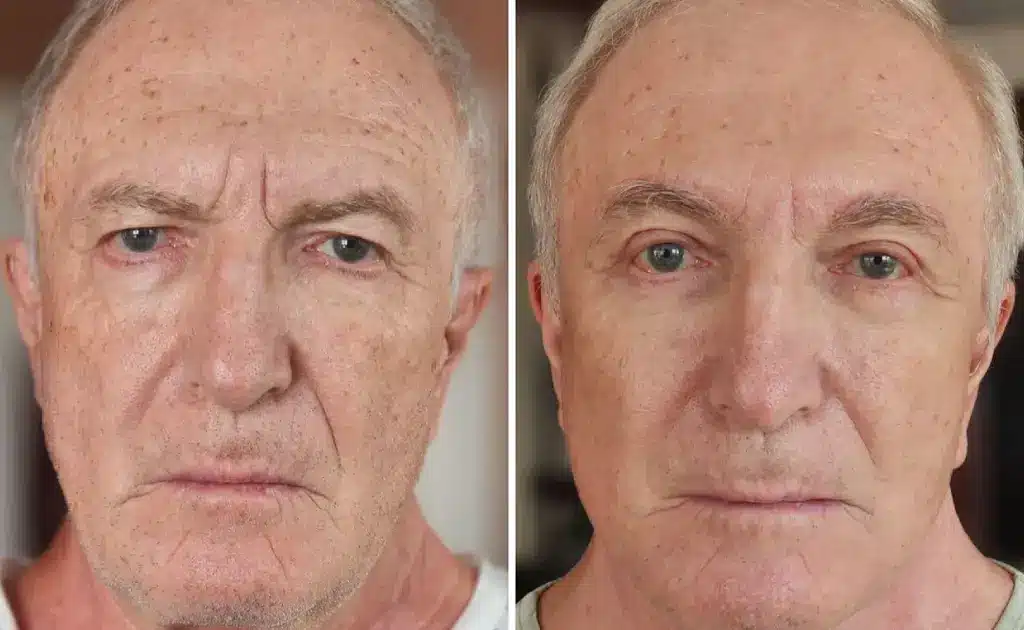
Male facelift before and after results, demonstrating smoothed wrinkles and natural facial rejuvenation for men at Hawaii Facial Plastic Surgery.

Age itself is not a barrier to elective plastic surgery, but being in good general health is a essential factor. Before scheduling a facelift, you will need:

  • A pre-surgery physical examination
  • A thorough review of medications and supplements
  • Blood tests or cardiac screening if indicated

For your safety, you must disclose all preexisting medical conditions to your surgeon. Chronic conditions such as diabetes, high blood pressure, or heart disease call for careful management before and after surgery.

Being Realistic About the Results

While a face or neck can provide dramatic improvements, it won’t stop the aging process or make you look 20 again.

The goal is to look refreshed, not unrecognizable. Discuss your expectations openly with your surgeon, and review before-and-after photos of past patients to gauge likely outcomes.

The Recovery Process

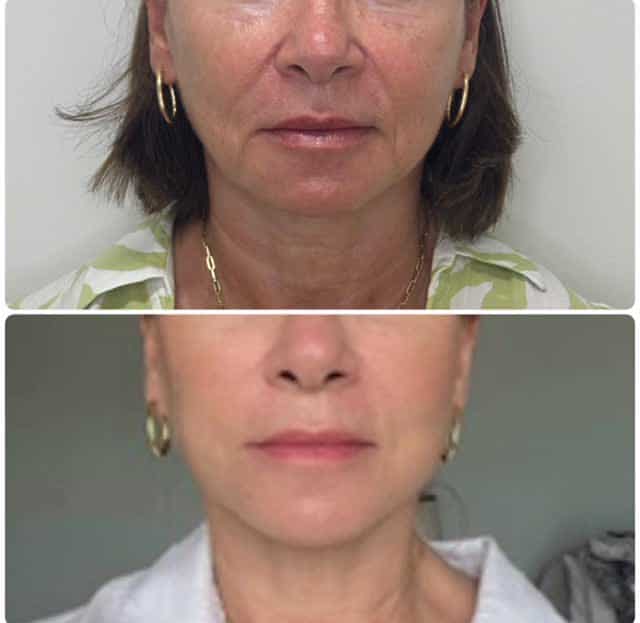
Lower facelift and neck lift before and after photos showing significant jowl reduction and smoother skin after recovery.

Recovery from a facelift varies by person and the method selected, but you generally can expect:

  • Swelling and bruising for 1-2 weeks
  • Mild discomfort, managed with doctor-prescribed and over-the-counter medications
  • Taking at least two weeks off from work and social activities
  • Refraining from strenuous exercise for 4-6 weeks

Most patients feel comfortable returning to regular life activities within 3-4 weeks. Carefully following your surgeon’s aftercare instructions is vital for optimal healing and results.

Risks and Complications

Facelifts are generally safe when performed by board-certified facial plastic surgeons, but all surgeries carry risks. Potential complications include:

  • Infection
  • Bleeding or hematoma
  • Scarring
  • Nerve injury (usually temporary)
  • Unsatisfactory results or asymmetry

Choosing an experienced plastic surgeon considerably reduces these risks.

Non-Surgical Facelift Alternatives

Often, people over 50 have skin laxity and sagging to an extent that a surgical facelift is an excellent option. However, some may have milder age-related changes and can benefit from non-surgical treatments. They can be used in place of, or in combination with, a facelift. Options include:

Non-surgical cosmetic treatments successfully treat fine lines, volume loss, and skin texture but won’t produce the lifting effect of surgery. Meeting with a surgeon can help determine the best approach to achieve your goals.

Preparing for Your Facelift

Each cosmetic surgeon will provide specific pre-surgery instructions. Examples of the tips most patents receive include:

  • Quit smoking at least a month before surgery
  • Stop blood-thinning medications under a physician’s guidance
  • Arrange for pick-up after surgery and have someone with you overnight
  • Prepare a comfortable recovery area at home

How Long Do the Results Last?

A well-performed facelift can last 10 years or more, but natural aging will continue. Keeping a healthy lifestyle, using sun protection, and following a good skincare regimen can extend your results.

Facelifts After Age 50

Deciding to have a facelift is a significant, rewarding step for many people over 50 who wish to look as young as they feel. By understanding the procedure, preparing carefully, and choosing the right facial plastic surgeon, you can approach your facelift with confidence and enjoy results that meet your goals.


Frequently Asked Questions

A.1 Age alone does not disqualify you. If you’re in good health and have realistic expectations, you can be a candidate in your 50s, 60s, or 70s.

A.2. The desired effects of a face or neck lift can last 8-12 years. Your genes, skin quality, and lifestyle choices are all factors.

A.3. Today’s face and neck lift techniques produce natural results. Choose an experienced, board-certified surgeon who understands your goals.

A.4. Plastic surgeons usually hide incisions along your hairline and around the ears. Most scars will fade and become invisible to most people.

A.5. Facelifts are performed under general or local anesthesia with sedation. Your surgeon and anesthesiologist will thoroughly evaluate you beforehand to decrease risks.

A.6. Yes, many patients combine facelifts with eyelid surgery, brow lifts, or non-surgical treatments for full rejuvenation.

Female Facial Plastic Surgeons | Why Women Choose Them

Representation Matters, But It’s About More

Double board-certified facial plastic surgeon Dr. Susan Tan performing a precise procedure in a sterile Honolulu operating room.There’s a shift underway in the field of facial plastic surgery, and it’s about more women choosing female facial plastic surgeons. While each woman’s choice is unique to her, it reflects broader changes in the medical profession, societal attitudes, and the importance of representation.

  • Easier time discussing sensitive issues
  • Feeling more understood on a medical and personal level
  • Preferring a more patient-centered approach
  • Emphasis on natural-looking results
  • Appreciation of representation and role models

In this article, we’ll discuss this movement and how it may affect the future of facial plastic surgery.

More Women are Becoming Facial Plastic Surgeons

In the past 10 years, the number of female plastic surgeons has increased steadily. While plastic surgery as a profession is still male-dominated, women are increasing their numbers both as practitioners and as patients, making choices.

The current data shows more than 90% of cosmetic surgery patients are women—yet historically, the majority of surgeons have been men. But the recent rise in the number of female plastic surgeons is beginning to level things out.

Why Do Women Choose Female Surgeons?

Both anecdotal evidence and survey findings indicate several factors are driving the trend:Dr. Susan Tan performing a facial assessment on a patient during an aesthetic consultation at her Honolulu, Hawaii practice.

  • Comfort and Understanding: Many women feel more at ease discussing personal appearance goals with other female surgeons, who may better understand their motivations and anxieties.
  • Openness and Communication: Studies suggest women surgeons may spend more time listening and engaging in collaborative decision-making. It can foster trust.
  • Shared Experiences: Female facial plastic surgeons may have first-hand understanding of societal pressures regarding appearance, aging, and beauty standards.
  • Natural Results: Women MDs may focus more on natural enhancements and body positivity, aligning with more women’s values and priorities.
  • Representation: Working with women in positions of authority and expertise can be empowering for female patients.

Insights from the Patient’s Perspective

Deciding to undergo facial plastic surgery is a personal journey for a woman, making trust paramount. Some patients are able to open up more easily to a female doctor, sharing insecurities or concerns that they might hesitate to discuss with a male physician. Others may feel they are judged less or feel more validated when consulting with a woman.

“I felt like she just understood where I was coming from—not just medically, but emotionally too,” says Jane, a recent patient. “I didn’t have to explain why certain things bothered me; she just got it.”

And from the Surgeons’ Perspective

Female facial plastic surgeons bring perspectives shaped by their experiences. Many are advocates for patient-centered care, holistic consultation, and ethical standards that prioritize well-being over profit. Many also feel a special responsibility to mentor other women entering the profession, helping to create a more inclusive medical community.

At Hawaii Facial Plastic Surgery, our founder, Dr. Susan Tan, a double board-certified facial plastic surgeon, explains, “My patients know I’m not here to sell them a procedure. I’m here to listen, educate, and help them make the best decisions for themselves—whatever that looks like.”

The Road Ahead: Women in Plastic Surgery

Given the increased interest in, and success of, women as facial plastic surgeons, we can expect the profession to continue become more inclusive.

  • Recruitment Practices: Hospitals and clinics are actively recruiting female plastic surgeons and monitoring hiring balance.
  • Mentorship Opportunities: There are more mentorship and professional support networks for women entering surgical specialties.
  • Patient Education: Practices are educating women about their options and the importance of a good surgeon-patient fit.
  • Media Representation: Female surgeons are increasingly featured in the media, breaking down stereotypes and inspiring the next generation.

Dr. Susan Tan and her staff at Hawaii Facial Plastic Surgery in Honolulu, representing the practice's female-led, patient-centered approach.

Trending Now: Female Facial Plastic Surgeons

As the techniques and methods of facial plastic surgery evolve, the growing presence of female surgeons will be influential – and in many cases, women will increasingly move into leadership roles.

The evolution of the profession mirrors broader societal trends reflecting a desire for representation, visibility, and collaborative care. Whether you’re a woman considering a plastic surgery procedure or simply interested in the direction of the medical field, you have a stake in the outcomes.

It’s clear that women are reshaping the future of facial aesthetics—as practitioners, patients, and pioneers.


Frequently Asked Questions

A.1 Yes. Board-certified female facial plastic surgeons undergo training side-by-side with their male counterparts. Many have advanced credentials and specialized expertise, such as Dr. Tan’s double broad certification.

A.2. Many patients say yes. Female surgeons may have personal insight into the societal pressures women face and approach consultations with greater sensitivity.

A.3. The quality of your results depends on the individual surgeon’s skill, experience, aesthetic sense, and your communication together. Gender is only one factor in your decision; always research credentials and patient reviews.

A.4. Many professional organizations, such as the American Academy of Facial Plastic and Reconstructive Surgery (AAFPRS), have searchable databases. You can check for board certification, experience with procedures like yours, and testimonials from other patients.

Are Your Eyes Looking Puffy?

How to Tell if It’s Allergies or Fat Pads

Dealing with puffy eyes can be frustrating, especially when you’re not sure what’s causing the problem. Whether you live in Oahu or anywhere else in Hawaii, puffy eyes can result from common allergies—like pollen, dander, or volcanic smog (VOG)—or from lower eyelid fat pads.

Understanding the source of your puffiness is key to choosing the best solution.

Understanding the Causes of Puffy Eyes

Women in Hawaii suffering from puffy eyes caused by VOG allergies.Puffy eyes are a frequent cosmetic concern for people of all ages and body types. Swelling around the eyes can create a tired or aged appearance, even when you’re well-rested.



But what’s really behind the puffiness? The two most common causes are allergies and lower eyelid fat pads.

1. Allergies
Allergies are among the leading causes of eye puffiness in Hawaii, where the air can be filled with pollen, dust mites, pet dander, and VOG. Allergic reactions cause the body to release histamines, which lead to swelling, redness, and itchiness around the eyes.

If your puffiness fluctuates throughout the day or gets worse in certain environments, allergies may be the culprit.

2. Lower Eyelid Fat Pads
Fat pads are a natural part of your facial structure. As you age, these pads may become more prominent due to genetics, gravity, or the weakening of supporting tissues. Lower eyelid fat pads don’t usually fluctuate from day to day and tend to remain even when allergy symptoms are absent. If your puffy eyes persist regardless of the season or environment, the fat pads may be to blame.

How to Tell the Difference

If you’re unsure whether allergies or fat pads are behind your puffy eyes, try these simple self-tests:

  • Allergy Medication Test: Take an over-the-counter allergy medication. If your puffiness improves, allergies are likely to blame. If there’s no change, fat pads could be the cause.
  • Upward Gaze Test: Look upward in a mirror. If the puffiness becomes more pronounced, it’s often due to lower eyelid fat pads.
  • Palpation/Pressure Test: Gently apply pressure to your closed eyelid. If a bulge is more noticeable, fat pads may be present.

Treatment Options for Puffy Eyes

Lower eyelid surgery consultation with an Oahu facial plastic surgeon and patient discussing non-surgical and surgical treatment options for fat pads.

1. For Allergies
Managing allergies can significantly reduce puffiness. Common strategies include using antihistamines or allergy eye drops. It also helps to keep windows closed during high pollen seasons, use air purifiers indoors, and wash your face and hands after being outdoors.

2. For Lower Eyelid Fat Pads
If fat pads are the culprit, options are more limited. Non-surgical treatments, like dermal fillers, can sometimes camouflage the appearance, but they come with risks such as swelling, migration, and complications for future surgery. The gold standard for treating fat pads is lower eyelid surgery, also known as blepharoplasty.

Prevention Tips to Reduce Eye Puffiness

  1. Get tested for allergies to identify and minimize triggers.
  2. Maintain a healthy lifestyle and sleep schedule.
  3. Use cold compresses to reduce morning puffiness.
  4. Protect your eyes from irritants such as smoke and strong winds.

Eye Surgery to Solve Puffiness

The best facial plastic surgeons, like Susan Tan, MD, founder and medical director of Hawaii Facial Plastic Surgery, use a transconjunctival, or scarless, technique for lower eyelid surgery. It preserves the eye’s natural support structures, minimizing the risk of changing the eye’s shape.

Recovery after blepharoplasty typically takes 1-2 weeks and may involve temporary swelling and bruising. While surgery is highly effective, it’s important to consult with an experienced surgeon to discuss risks and benefits.

Puffy eyes can be a nuisance, but identifying the cause is the first step toward finding the right solution. Whether you’re dealing with allergies, fat pads, or both, effective treatments are available. Consult with a medical professional to create a personalized plan for a refreshed, youthful appearance.

FAQ: Common Questions About Puffy Eyes

Q: Can allergies and fat pads occur together?
A: Yes. Some people have both allergies and prominent fat pads, which can worsen puffiness. Treating allergies may help, but surgical intervention might still be needed for fat pads.

Q: Are there any home remedies for puffy eyes?
A: Cool compresses, elevating your head while sleeping, and using allergy medications can help with puffiness caused by allergies. For fat pads, home remedies are generally ineffective.

Q: Is lower eyelid surgery safe?
A: When performed by an experienced, board-certified facial plastic surgeon, lower eyelid surgery (blepharoplasty) is generally safe and effective. Complications are rare but should be discussed during your consultation.

Q: How do I know if I need surgery?
A: If non-surgical treatments don’t reduce your puffiness and it persists year-round, a consultation with a facial plastic surgeon can determine if surgery is appropriate.

Q: Will insurance cover lower eyelid surgery?
A: Most insurance plans do not cover cosmetic surgery. However, if the puffiness impairs your vision, some coverage may be possible. Check with your provider and surgeon’s office for details.

Tech Neck vs. Turkey Neck

Why Your Phone (and the Hawaii Heat) Might Be Aging You

Are you reading this on your phone right now?

If so, you are likely tilting your head forward at a 45-degree angle. This posture places up to 60 pounds of force on your cervical spine. Over time, this repetitive folding of the skin etches deep horizontal lines across your neck—a phenomenon now widely known as “Tech Neck.”

But not all neck aging is caused by your iPhone. For many patients in Honolulu, the issue isn’t just lines. It’s the structural sagging, loose skin, and vertical bands often called “Turkey Neck.”

At Hawaii Facial Plastic Surgery, Dr. Susan Tan sees patients every day who aren’t sure if they need a lifestyle change, a laser treatment, or plastic surgery. The answer depends on your unique anatomy, your lifestyle in the islands, and the specific structural support your neck requires.

Here is your ultimate guide to diagnosing your neck concerns and navigating rejuvenation in Hawaii.

The Diagnosis: Is it “Tech Neck” or “Turkey Neck”?

While they both make us reach for high-collared shirts, these two conditions are biologically different and require different solutions.

1. Tech Neck: The Horizontal Crease

  • What it looks like: Deep horizontal lines that look like a necklace etched into your skin.
  • The Cause: Repetitive motion. Just as smiling causes crow’s feet, constantly looking down at devices creates dynamic wrinkles that eventually become static (permanent).
  • The Solution: Morpheus8. Since this is primarily a texture and skin quality issue, we often don’t need surgery. Morpheus8 uses radiofrequency microneedling to penetrate deep into the dermis, remodeling collagen and tightening the skin texture to soften these lines.

2. Turkey Neck: The Structural Sag

  • What it looks like: Loose, hanging skin under the chin (wattle), vertical bands of muscle, or a disappearing jawline.
  • The Cause: Gravity, genetics, and the weakening of the platysma muscle.
  • The Solution: The Deep Plane Neck Lift. No amount of laser treatment can remove inches of excess loose skin. This requires a surgical solution to restore the sharp right-angle of a youthful neck.

The Deep Plane Difference: Why Surface Lifts Don’t Last

If you have “Turkey Neck,” you might be tempted by “mini-lifts” or “skin-only” lifts advertised elsewhere. However, in Hawaii’s active environment, these shortcuts rarely hold up.
Dr. Tan specializes in Deep Plane Neck Lifting, a technique that goes beyond stretching the skin. By releasing the retaining ligaments and repositioning the muscle and fat as a single composite unit, the tension is placed on the deep structural fascia, not your delicate skin.

  • Longevity: Results typically last 10–15 years, compared to 3–5 years for standard lifts.
  • Naturalness: Because the skin isn’t being pulled tight against the muscle, you avoid that “wind-swept” or “pulled” look.

The Hawaii Factor: Customizing the Lift for Island Life

Living in paradise comes with unique challenges for plastic surgery. Dr. Tan customizes every neck lift to account for our climate, clothing, and diversity.

1. The “Aloha Shirt Test” for Men

Oahu business man looks at loose neck skin in the mirror. A Honolulu men's neck lift can help tighten skin to improve appearances in Aloha shirt business attire.For our male patients, the standard facelift incision—often hidden in the hairline—doesn’t work. In Honolulu, business attire is oftentimes an open-collar Aloha shirt, which leaves the lower neck and clavicle exposed.

  • The Strategy: Dr. Tan uses specialized incision placement for men, keeping the posterior incision higher or strictly within the hairline to ensure scars remain invisible even when you’re dressed for a boardroom meeting in Kakaʻako.
  • Preserving Masculinity: Men have thicker skin and heavier muscles. We focus on defining a strong, angular jawline (a “power look”) rather than the softer, tapered look preferred for women.

2. The Asian Neck Lift: Managing Scarring and Volume

For our Asian and Pacific Islander patients, the concern is often two-fold: fear of keloids and fear of looking “Westernized.”

  • Keloid Prevention: Asian skin has a higher collagen density, which can increase the risk of hypertrophic scarring (keloids) if the skin is placed under tension. Dr. Tan’s Deep Plane technique is the best preventative measure because it ensures a tension-free closure—the skin is draped gently, with all the lifting work done internally.
  • Volume vs. Wrinkles: Asian aging often involves the descent of heavy fat pads rather than fine wrinkles. We often combine the lift with submental treatments to debulk heaviness while preserving your natural ethnic identity.

3. Healing in the Heat: Mastering the Humidity

One of the most common questions we hear is, “Can I recover safely in 80% humidity?”

The answer is yes, but it requires specific protocols. High humidity can lead to maceration, where moisture gets trapped in incision folds, softening the skin and slowing healing.

  • Our Protocol: We guide you on keeping incisions dry using cool-air hair dryers after showers and recommend staying in air-conditioning for the first 7–10 days to minimize sweating.
  • Sun Smarts: New scars are highly susceptible to darkening (hyperpigmentation) under Hawaii’s intense UV index. We will guide you on exactly when to start using silicone scar sheets and mineral sunscreens to ensure your incisions fade to an invisible thin line.

Ready to Look Up with Confidence?

Whether you are battling the tech-induced lines of the digital age or the structural changes of gravity, the solution isn’t one-size-fits-all. It requires a strategy that respects your anatomy and your island lifestyle.Before and after results of Hawaii neck lifts preformed by Dr. Susan Tan at Hawaii Facial Plastic Surgery. Pacific Island and Asian neck lifts to remove turkey neck and tech neck.

Why Now is the Best Time for Your Transformation

While Hawaii enjoys beautiful weather year-round, the subtle shift in our climate at the end of the year offers a distinct advantage for facial plastic surgery. Smart patients often choose this specific window for neck rejuvenation for three strategic reasons:

1. The “Cooler” Climate Advantage

Even a few degrees make a medical difference. Hawaii’s current dip in temperature creates an optimal physiological environment for healing. Lower ambient heat translates to less vasodilation, which can significantly reduce post-operative swelling and bruising. Furthermore, the lower humidity levels during this season reduce the risk of moisture buildup (maceration) in healing incisions, making your recovery period far more comfortable.

2. Reduced UV Intensity

Protecting fresh incisions from the sun is critical to preventing scars from turning dark or pigmented. With the sun at a lower angle and the UV index slightly reduced compared to peak summer months, it is significantly easier to manage your sun exposure right now. This natural “UV break” allows your scars to mature safely, fading to invisible lines before the sun intensity ramps back up.

3. The Ultimate New Year Reset

We often spend December giving to others, but choosing to invest in your own confidence is a powerful way to close the chapter on this year. By utilizing the natural downtime of the holiday season, you can recover discreetly at home without feeling like you are missing out on major events. Instead of making a resolution to “look better” next year, you can start the year with the structural changes that actually deliver on that promise.

Don’t Let Another Year Go By Looking Down

Headshot of Hawaii female plastic surgeon, Dr. Susan Tan. She specializes deep plane neck lift procedures on Oahu that offer natural-looking results.The neck is one of the first places to show age, but it is also one of the most rewarding to treat. Whether you need the collagen-boosting power of a Morpheus8 treatment to smooth out “Tech Neck” lines or the structural definition of Dr. Tan’s signature Deep Plane Neck Lifts to correct “Turkey Neck,” the first step is a conversation.

Appointments for the New Year are filling rapidly. Contact Hawaii Facial Plastic Surgery today to secure your consultation with Dr. Susan Tan.

Let’s ensure that when you look up from your phone in the coming year, you love what you see in the mirror.

Stay Connected with Dr. Tan.

Thoughtful education on facial aging and skin health — delivered with care, never with noise.

About

Facial Plastic Surgery

Non-Surgical

Resources

1150 S King Street, Suite 504
Honolulu, Hawaiʻi 96814
Parking: Young St · Eleven50 · Atlas Building
(808) 636-9084
By Appointment Only

Dr. Susan Tan, MD ABFPRS
Board Certified · Fellowship Trained
Castle Connolly Top Doctor 2026

© 2025 Hawaii Facial Plastic Surgery · Dr. Susan Tan, MD ABFPRS · NPI: 1457731358