
How Young Should You Start with Dermal Fillers?
The Role of Fillers in Preventive Skin Care
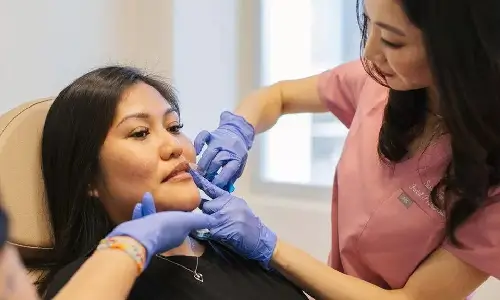
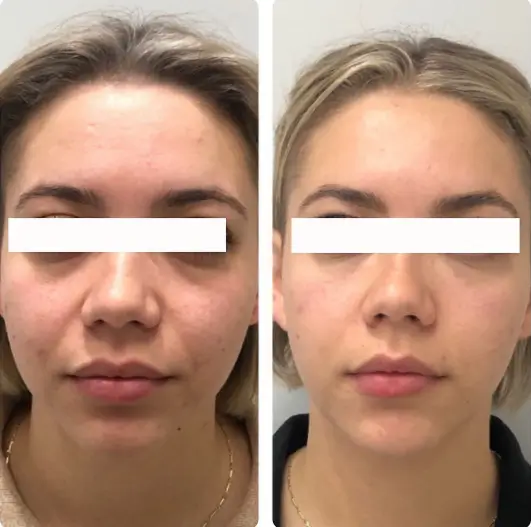
Dermal fillers are an effective front-line cosmetic treatment for correcting age-related volume loss and smoothing out wrinkles in the skin. However, in recent years, their role has expanded beyond correction to include long-term prevention.
As a result, more people in their 20s and 30s are turning to fillers as a preventive step in their skin care routine. This article reviews the role of dermal fillers in preventive skin care, how they work, the benefits and risks, and answers common questions about this important opportunity to consider.
Understanding Dermal Fillers
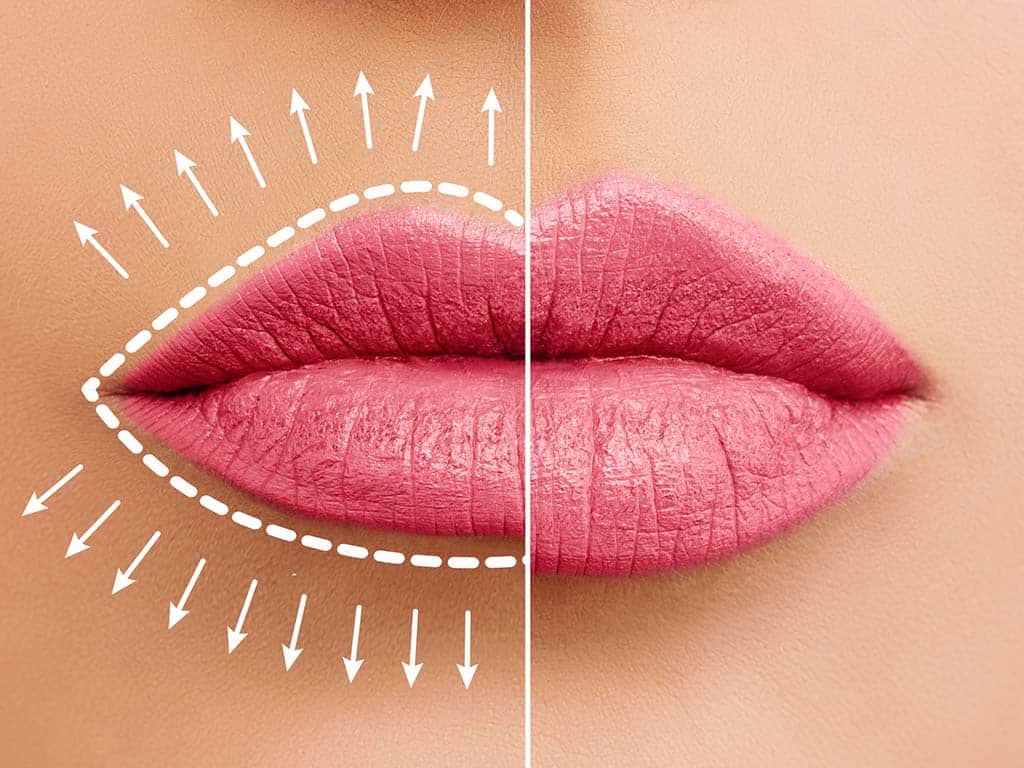
Dermal fillers are injectable products made to restore volume, smooth lines, and improve facial contours. The most widely used fillers are composed of hyaluronic acid, a naturally occurring substance in the skin known for retaining moisture and adding plumpness. Other popular types include calcium hydroxylapatite, poly-L-lactic acid, and polymethylmethacrylate (PMMA).
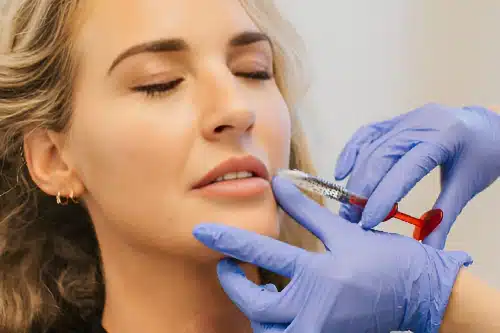
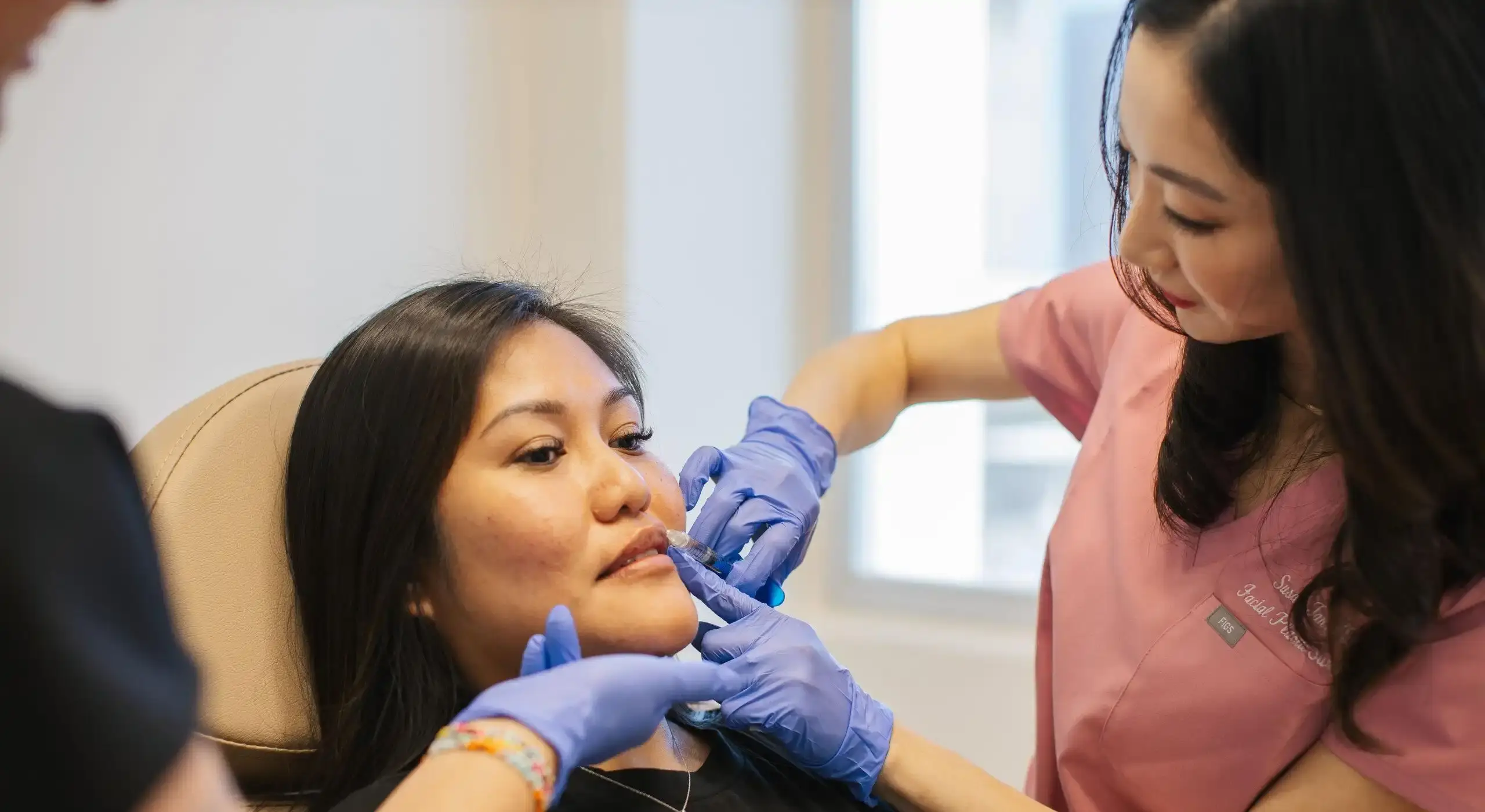
Fillers are typically injected under the skin using fine needles or cannulas. Results are immediate for most fillers, and effects may last anywhere from six months to two years depending on the product and area treated.
The Shift Toward Preventive Use in Younger People
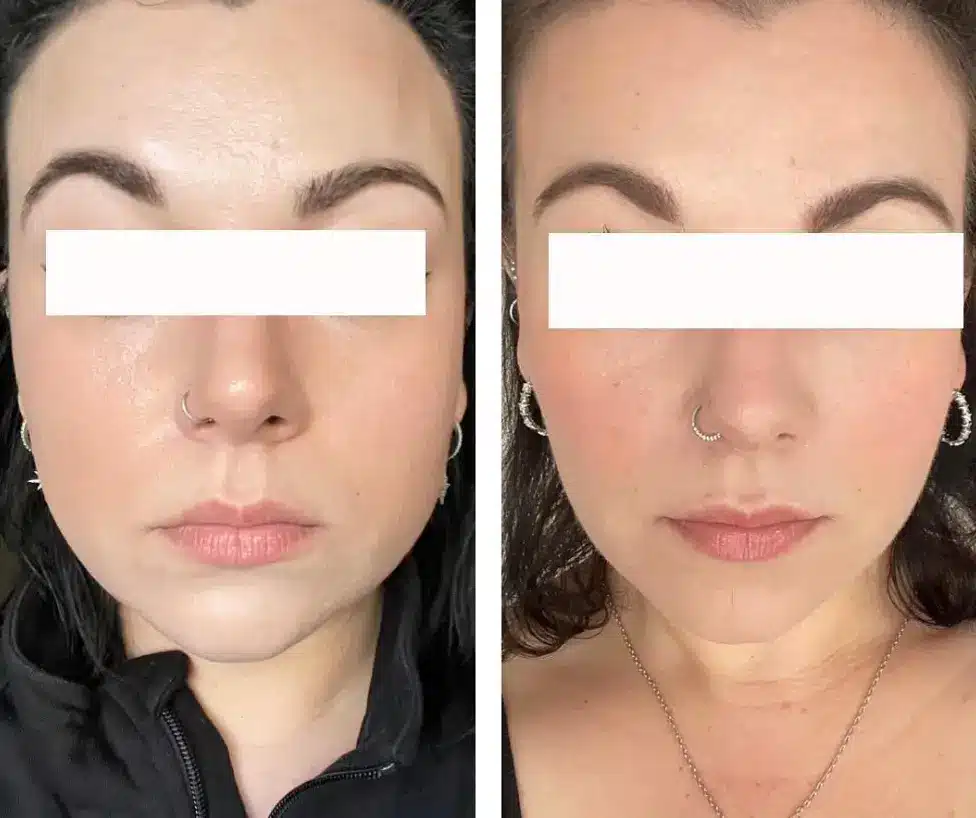
Traditionally, dermal fillers were used to treat visible signs of aging, such as deep wrinkles or volume loss in the cheeks. But today, younger people are seeking fillers before these signs grow obvious. The logic is simple: by treating minor volume loss and supporting facial structure early, it may be possible to hold off the development of deep lines and sagging skin.
A preventive approach is sometimes called pre-juvenation—the idea that preserving youthful facial contours and skin quality can be more effective (and subtle) than waiting to reverse established aging signs.
How Dermal Fillers Prevent Aging
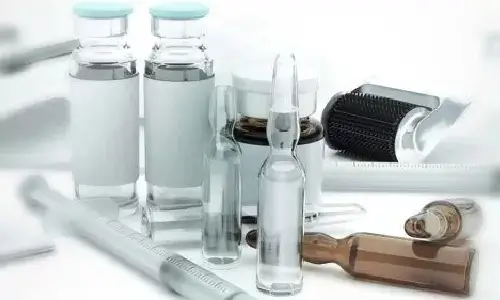
- Maintaining Facial Structure: As many people age, their facial bones recede, and fat pads shrink, leading to sagging and hollowing. Early and deliberate use of fillers can support these structures, helping to preserve youthful proportions.
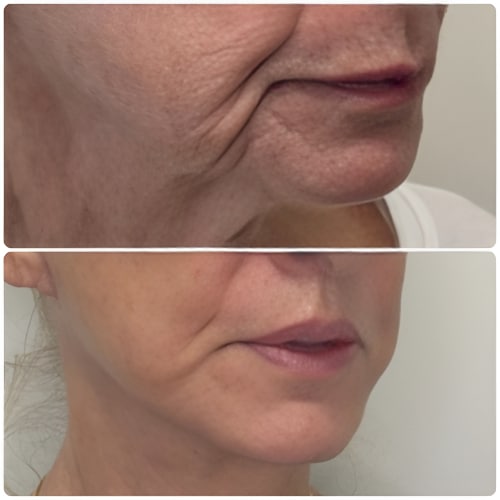
- Smoothing Fine Lines Before They Deepen: Fine lines, particularly in zones such as the nasolabial folds or under the eyes, can be softened with small amounts of filler, preventing them from etching deeper into the skin over time.
- Stimulating Collagen Production: Some fillers (like poly-L-lactic acid) stimulate the body’s own collagen production, improving skin texture and suppleness over the long term.
Benefits of Preventive Dermal Filler Use
- Early Intervention: Slight adjustments are easier to maintain and require less product than correcting advanced aging signs.
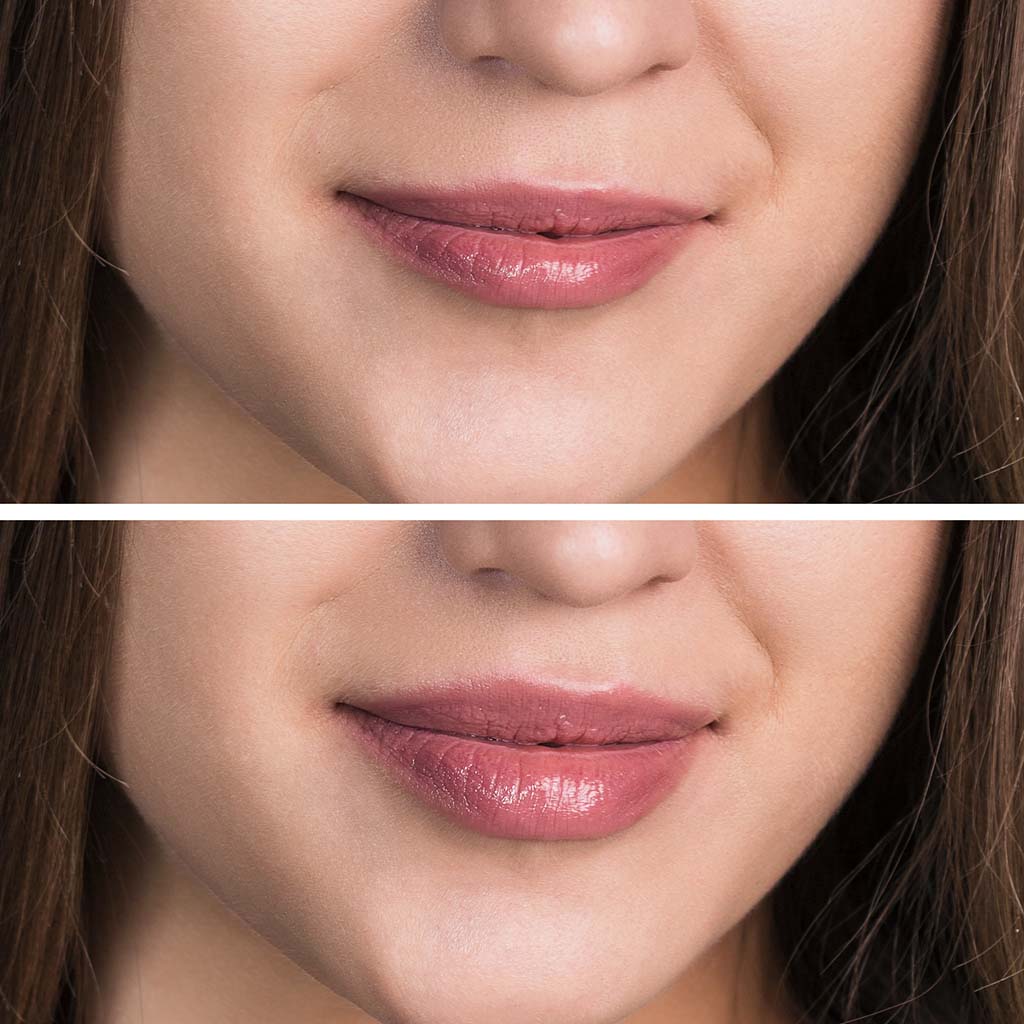
- Natural Results: Preventive use frequently results in a more natural look, avoiding drastic changes.
- Increases Confidence: Preserving youthful features can positively impact self-esteem and confidence.
- Slower Aging Appearance: By supporting facial structures early on, the visible signs of aging may develop more slowly.
Risks and Considerations
While dermal fillers are generally safe when administered by trained professionals, ideally someone with knowledge of facial anatomy like a plastic surgeon or dermatologist, preventive use does come with considerations:
- Overfilling: Early, repeated treatments can lead to an unnatural appearance if not cautiously managed.
- Product Migration: In rare cases, filler can move from the injection site, causing lumps or irregularities.
- Allergic Reactions: Though uncommon, some people may react to the filler material.
- Cost: Preventive filler use involves ongoing maintenance, which adds cost over time.
Who Is a Good Candidate?
Preventive fillers are best suited for people who are beginning to spot subtle changes in their facial volume or fine lines but do not yet have significant aging signs.
Candidates should have realistic expectations and seek treatment from experienced, board-certified providers. A thorough consultation is important to ensure the right approach and to avoid unnecessary or excessive treatment.
Integrating Fillers into a Preventive Skin Care Routine
Dermal fillers should not be the first or only step in preventive skin care. Other important elements include:
- Sun protection every day
- Use of topical antioxidants and retinoids
- Healthy lifestyle choices (diet, hydration, sleep)
- Regular medical and cosmetic skin check-ups
Fillers, as and when needed, to round out the best skin care practices, delivering additional support for preserving a youthful look.
Preventive Aesthetics: The Science and Practice
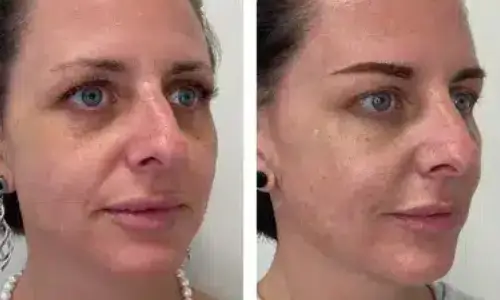
As aesthetic treatments evolve, the focus is shifting toward early intervention and subtle maintenance rather than dramatic makeovers. Tailored care plans that combine injectables, skincare, and lifestyle measures are becoming the gold standard.
The use of dermal fillers in prevention is likely to grow, with new products and techniques making these treatments safer and more effective. As a result, fillers are no longer only a tool for reversing aging—they are becoming a key component in preventive skin care strategies.
When used thoughtfully and as part of a holistic approach, fillers can help preserve youthful features and slow the visible signs of aging. As with any cosmetic procedure, education, moderation, and consultation with an expert are essential for the best and safest outcomes.
If you’d like more information or a personal consultation, make an appointment with Dr. Susan Tan at Hawaii Facial Plastic Surgery in Honolulu. You can reach her office at (808) 636-9084.
Frequently Asked Questions
Q.1 At what age should I consider preventive fillers?
A.1. There is no universal age, but many people schedule an initial consultation in their late 20s to early 30s when they first notice fine lines or minor volume loss.
Q.2. Will starting fillers early mean I’ll need more over time?
A.2. Not necessarily. Preventive use often requires smaller amounts and less frequent treatments, especially if combined with other good skin care habits.
Q.3. How do I avoid looking overdone?
A.3. Choose a qualified, experienced injector like a facial plastic surgeon or dermatologist who prioritizes natural results. Less is often more, especially with preventive treatments.
Q.4. Are there alternatives to fillers for prevention?
A.4. Yes. Options include topical skincare, advanced microneedling like Morpheus8, laser treatments, and neuromodulators (Botox®) for dynamic wrinkles.
Q.5. Is it safe to combine fillers with other procedures?
A.5. In most cases, yes. Many patients combine fillers with Botox, chemical peels, or energy-based treatments for complete results. Always consult your provider for a personalized plan.
Q.6. How long do results from preventive fillers last?
A.6. It depends on the type of filler used and the area treated, but results typically last 6-18 months. Maintenance treatments are often required.
Q.7. What are the signs of a complication?
A.7. Watch for excessive swelling, pain, redness, or changes in skin color at the injection site. Seek immediate medical attention if you experience these symptoms.







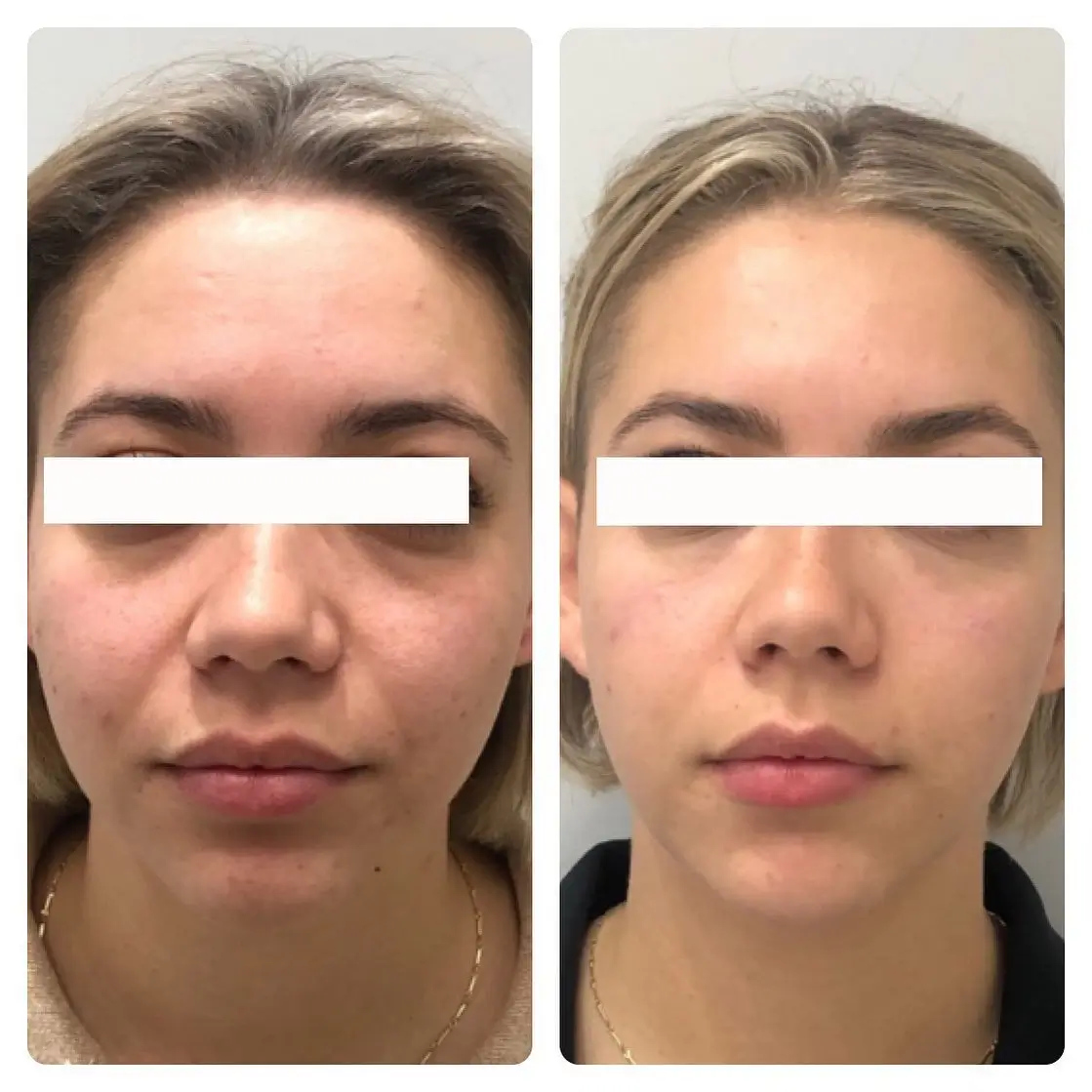
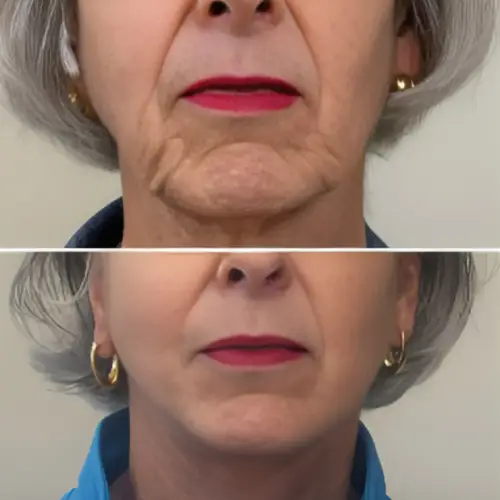
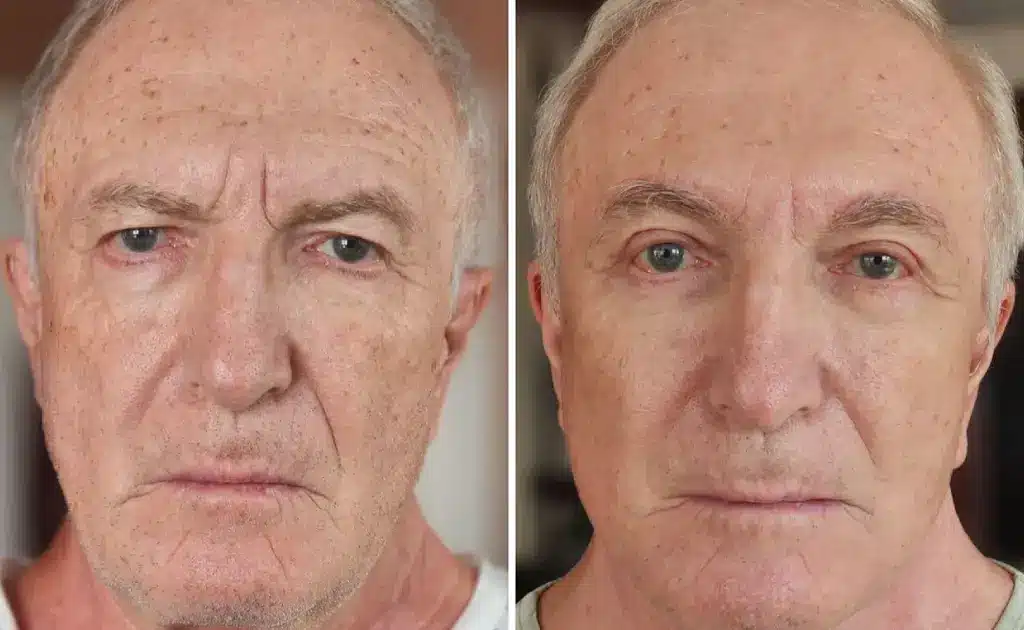
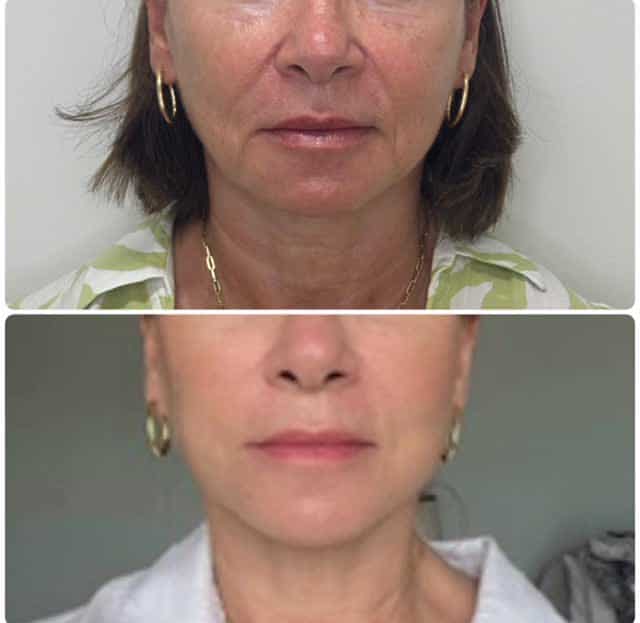



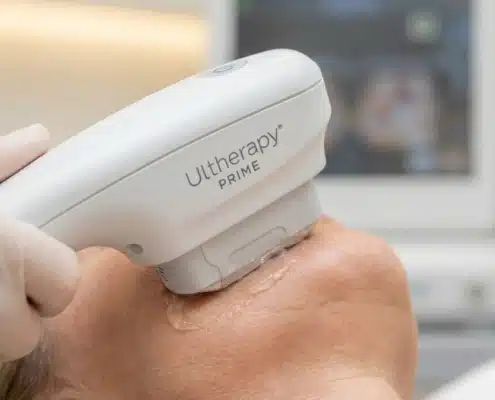 Ultherapy PRIME offers a unique, non-surgical way to tighten and lift your skin with no downtime. Thanks to advances in comfort technology and customizable pain management, it’s more appealing than ever.