Archive for category: Non-Surgical Treatments

How Young Should You Start with Dermal Fillers?

The Role of Fillers in Preventive Skin Care
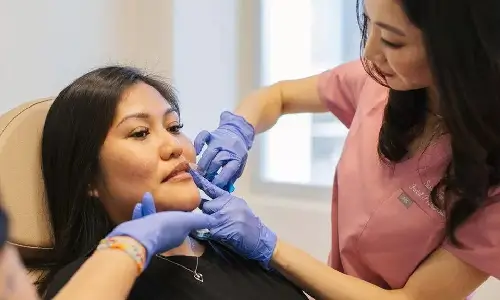
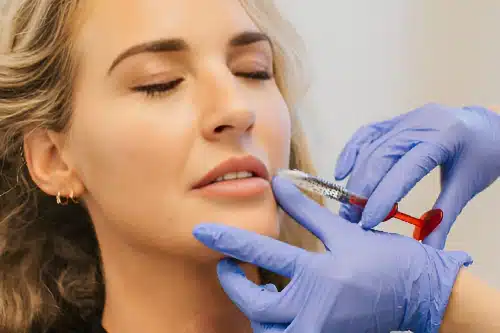
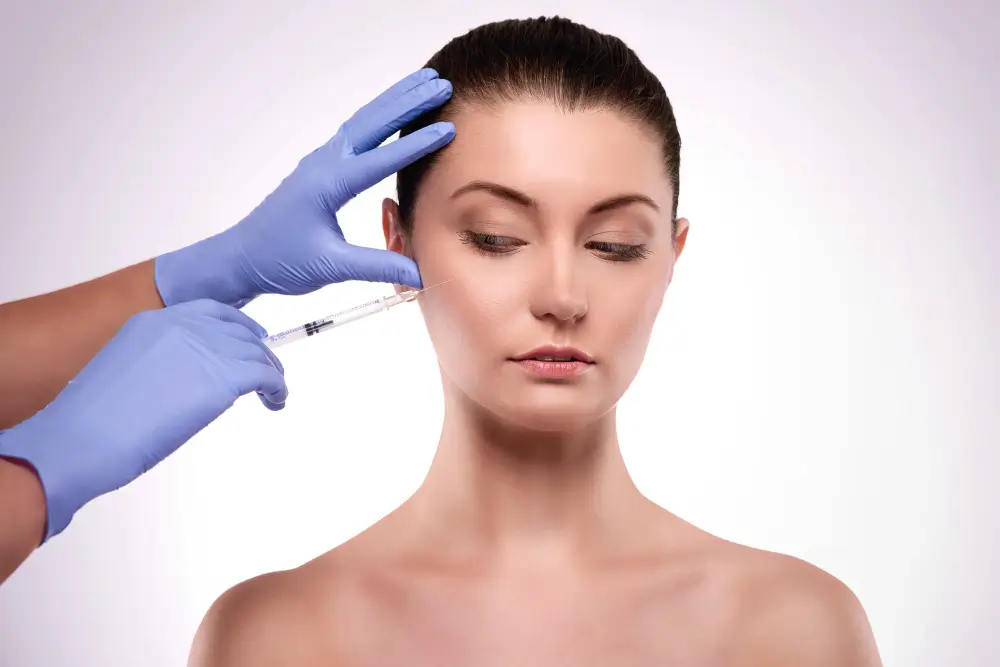
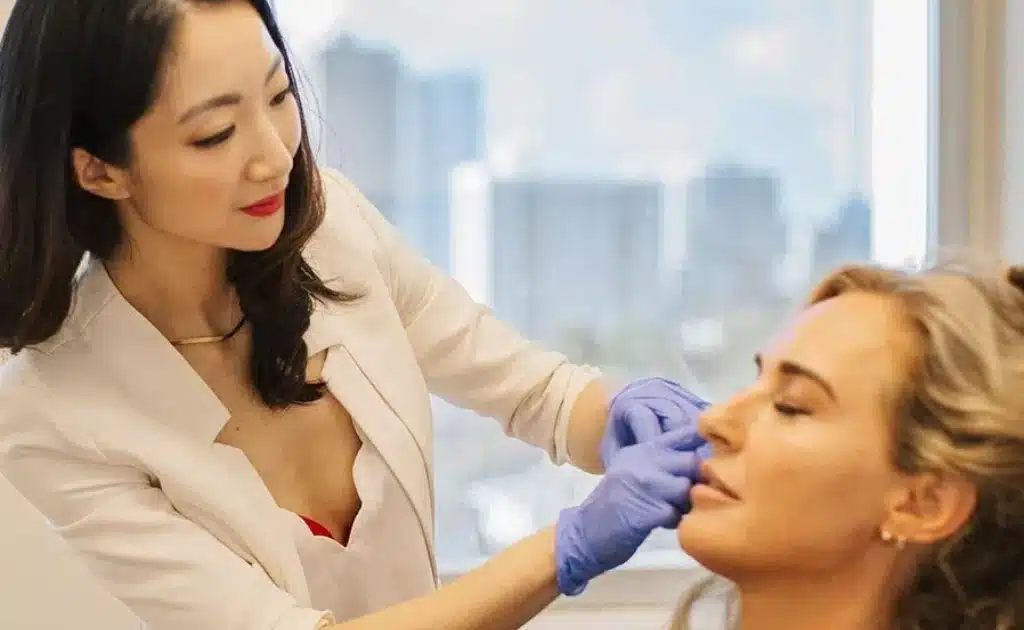
Injector, Dr Susan Tan, in pink scrubs and purple gloves placing dermal filler near a seated patient's lower lip during a preventive skin care visit.

Dermal fillers are an effective front-line cosmetic treatment for correcting age-related volume loss and smoothing out wrinkles in the skin. However, in recent years, their role has expanded beyond correction to include long-term prevention.

As a result, more people in their 20s and 30s are turning to fillers as a preventive step in their skin care routine. This article reviews the role of dermal fillers in preventive skin care, how they work, the benefits and risks, and answers common questions about this important opportunity to consider.

Understanding Dermal Fillers

Dermal fillers are injectable products made to restore volume, smooth lines, and improve facial contours. The most widely used fillers are composed of hyaluronic acid, a naturally occurring substance in the skin known for retaining moisture and adding plumpness. Other popular types include calcium hydroxylapatite, poly-L-lactic acid, and polymethylmethacrylate (PMMA).

Fillers are typically injected under the skin using fine needles or cannulas. Results are immediate for most fillers, and effects may last anywhere from six months to two years depending on the product and area treated.

The Shift Toward Preventive Use in Younger People

Traditionally, dermal fillers were used to treat visible signs of aging, such as deep wrinkles or volume loss in the cheeks. But today, younger people are seeking fillers before these signs grow obvious. The logic is simple: by treating minor volume loss and supporting facial structure early, it may be possible to hold off the development of deep lines and sagging skin.

A preventive approach is sometimes called pre-juvenation—the idea that preserving youthful facial contours and skin quality can be more effective (and subtle) than waiting to reverse established aging signs.

How Dermal Fillers Prevent Aging

Injectable vials, ampoules and a glass pipette beside a derma roller, tools tied to collagen stimulation and slower visible aging.

  1. Maintaining Facial Structure: As many people age, their facial bones recede, and fat pads shrink, leading to sagging and hollowing. Early and deliberate use of fillers can support these structures, helping to preserve youthful proportions.
  2. Smoothing Fine Lines Before They Deepen: Fine lines, particularly in zones such as the nasolabial folds or under the eyes, can be softened with small amounts of filler, preventing them from etching deeper into the skin over time.
  3. Stimulating Collagen Production: Some fillers (like poly-L-lactic acid) stimulate the body’s own collagen production, improving skin texture and suppleness over the long term.

Benefits of Preventive Dermal Filler Use

  • Early Intervention: Slight adjustments are easier to maintain and require less product than correcting advanced aging signs.
  • Natural Results: Preventive use frequently results in a more natural look, avoiding drastic changes.
  • Increases Confidence: Preserving youthful features can positively impact self-esteem and confidence.
  • Slower Aging Appearance: By supporting facial structures early on, the visible signs of aging may develop more slowly.

Risks and Considerations

While dermal fillers are generally safe when administered by trained professionals, ideally someone with knowledge of facial anatomy like a plastic surgeon or dermatologist, preventive use does come with considerations:

  • Overfilling: Early, repeated treatments can lead to an unnatural appearance if not cautiously managed.
  • Product Migration: In rare cases, filler can move from the injection site, causing lumps or irregularities.
  • Allergic Reactions: Though uncommon, some people may react to the filler material.
  • Cost: Preventive filler use involves ongoing maintenance, which adds cost over time.

Who Is a Good Candidate?

Preventive fillers are best suited for people who are beginning to spot subtle changes in their facial volume or fine lines but do not yet have significant aging signs.

Candidates should have realistic expectations and seek treatment from experienced, board-certified providers. A thorough consultation is important to ensure the right approach and to avoid unnecessary or excessive treatment.

Integrating Fillers into a Preventive Skin Care Routine

Dermal fillers should not be the first or only step in preventive skin care. Other important elements include:

  • Sun protection every day
  • Use of topical antioxidants and retinoids
  • Healthy lifestyle choices (diet, hydration, sleep)
  • Regular medical and cosmetic skin check-ups

Fillers, as and when needed, to round out the best skin care practices, delivering additional support for preserving a youthful look.

Preventive Aesthetics: The Science and Practice
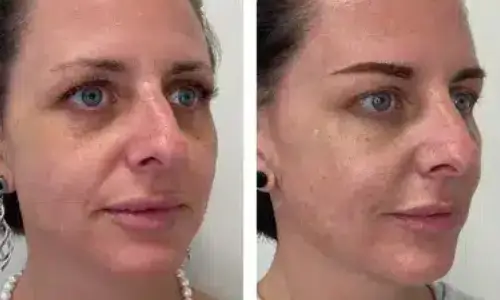
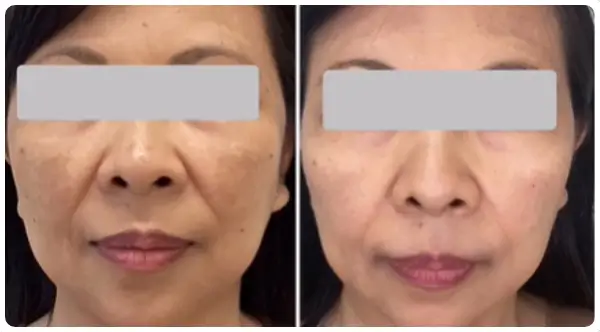
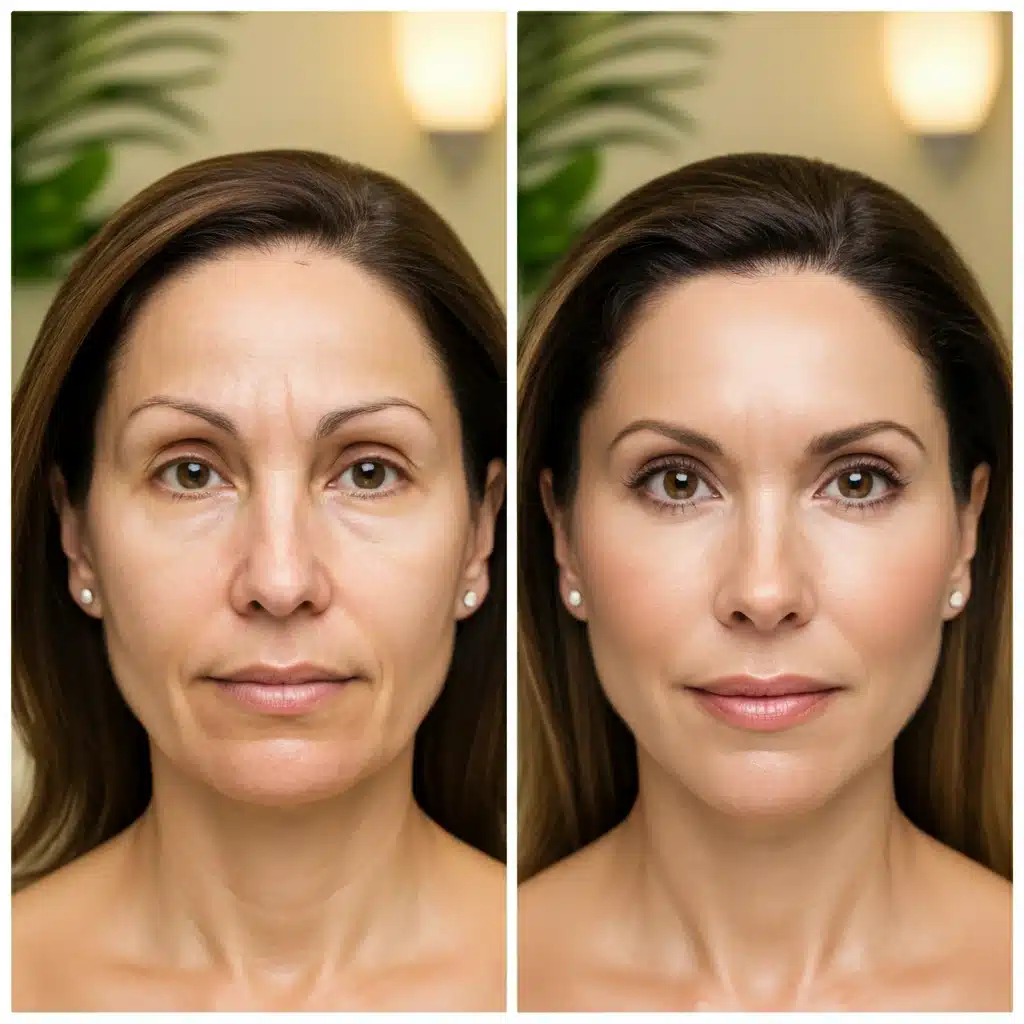
Before and after midface comparison from Hawaii Facial Plastic Surgery, with less under eye hollowing and a smoother cheek transition.

As aesthetic treatments evolve, the focus is shifting toward early intervention and subtle maintenance rather than dramatic makeovers. Tailored care plans that combine injectables, skincare, and lifestyle measures are becoming the gold standard.

The use of dermal fillers in prevention is likely to grow, with new products and techniques making these treatments safer and more effective. As a result, fillers are no longer only a tool for reversing aging—they are becoming a key component in preventive skin care strategies.

When used thoughtfully and as part of a holistic approach, fillers can help preserve youthful features and slow the visible signs of aging. As with any cosmetic procedure, education, moderation, and consultation with an expert are essential for the best and safest outcomes.

If you’d like more information or a personal consultation, make an appointment with Dr. Susan Tan at Hawaii Facial Plastic Surgery in Honolulu. You can reach her office at (808) 636-9084.

Frequently Asked Questions

A.1. There is no universal age, but many people schedule an initial consultation in their late 20s to early 30s when they first notice fine lines or minor volume loss.

A.2. Not necessarily. Preventive use often requires smaller amounts and less frequent treatments, especially if combined with other good skin care habits.

A.3. Choose a qualified, experienced injector like a facial plastic surgeon or dermatologist who prioritizes natural results. Less is often more, especially with preventive treatments.

A.4. Yes. Options include topical skincare, advanced microneedling like Morpheus8, laser treatments, and neuromodulators (Botox®) for dynamic wrinkles.

A.5. In most cases, yes. Many patients combine fillers with Botox, chemical peels, or energy-based treatments for complete results. Always consult your provider for a personalized plan.

A.6. It depends on the type of filler used and the area treated, but results typically last 6-18 months. Maintenance treatments are often required.

A.7. Watch for excessive swelling, pain, redness, or changes in skin color at the injection site. Seek immediate medical attention if you experience these symptoms.
Combatting Ozempic Face with Dermal Fillers

How Fillers Can Restore Facial Volume and Confidence

The rise of powerful GLP-1 (semaglutide) weight-management medications such as Wegovy® (Ozempic®) and Zepbound® (Mounjaro®) has transformed the lives of many people, helping them achieve their weight loss goals and improve health. However, they have also brought with them a new cosmetic concern that is known as Ozempic face. 

The term describes the quick and sometimes dramatic loss of facial volume, especially in the cheeks and temples, that can accompany rapid weight loss. The resulting hollow or gaunt appearance often leads patients to seek cosmetic treatments to restore their confidence and sense of self.

In this complete guide, we’ll explore what Ozempic face is, how dermal fillers can help, the different types of fillers available, and the importance of choosing a highly skilled medical professional for the injections. 

We’ll also discuss the growing trend toward natural-looking results, making sure you look refreshed—not overdone—after treatment. At the end, we’ll answer the most common questions about dermal fillers for Ozempic face in a quick and useful Q&A section.

What Is Ozempic Face?

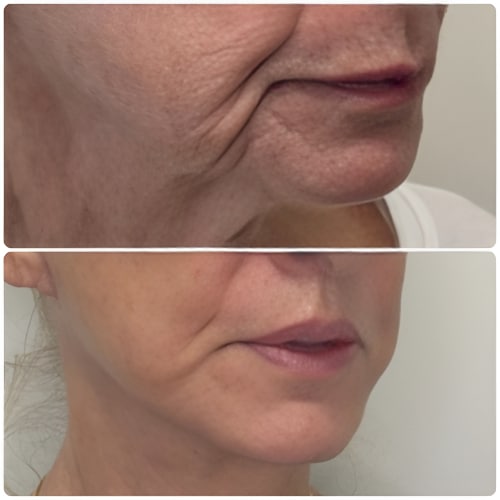
Split image of crepey lip lines and a slack jawline beside a refreshed result, illustrating the deflated look of facial volume loss.

Ozempic face refers to the noticeable loss of facial fat and volume—particularly in the cheeks, under the eyes, and around the temples—that can occur as a side effect of rapid weight loss with GLP-1 agonist medications like Wegovy (Ozempic) or Zepbound (Mounjaro). 

Although these medications are effective for controlling weight and optimizing metabolic health, the thinning of facial fat pads can result in a prematurely aged appearance, with more pronounced wrinkles, sagging skin, and sunken cheeks.

Why Does It Happen? When you lose weight quickly, the body tends to shed fat from all areas—including the face. Some people are genetically predisposed to lose facial fat more rapidly, bringing about a more dramatic transformation. 

Since the skin doesn’t always rebound fully after significant fat loss, the face can look deflated or hollowed, especially in middle-aged and older patients whose skin elasticity has already begun to decline.

How Dermal Fillers Help Restore Facial Volume

Dermal fillers are injectable cosmetic treatments designed to add volume, smooth wrinkles, and improve facial contours. For patients experiencing Ozempic face, fillers can help restore lost cheek volume, lift sagging skin, and rejuvenate the overall facial appearance.

Where Are Fillers Used on the Face?

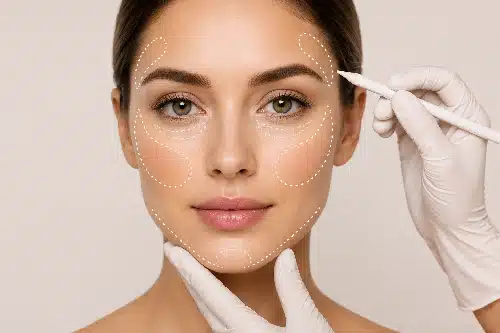
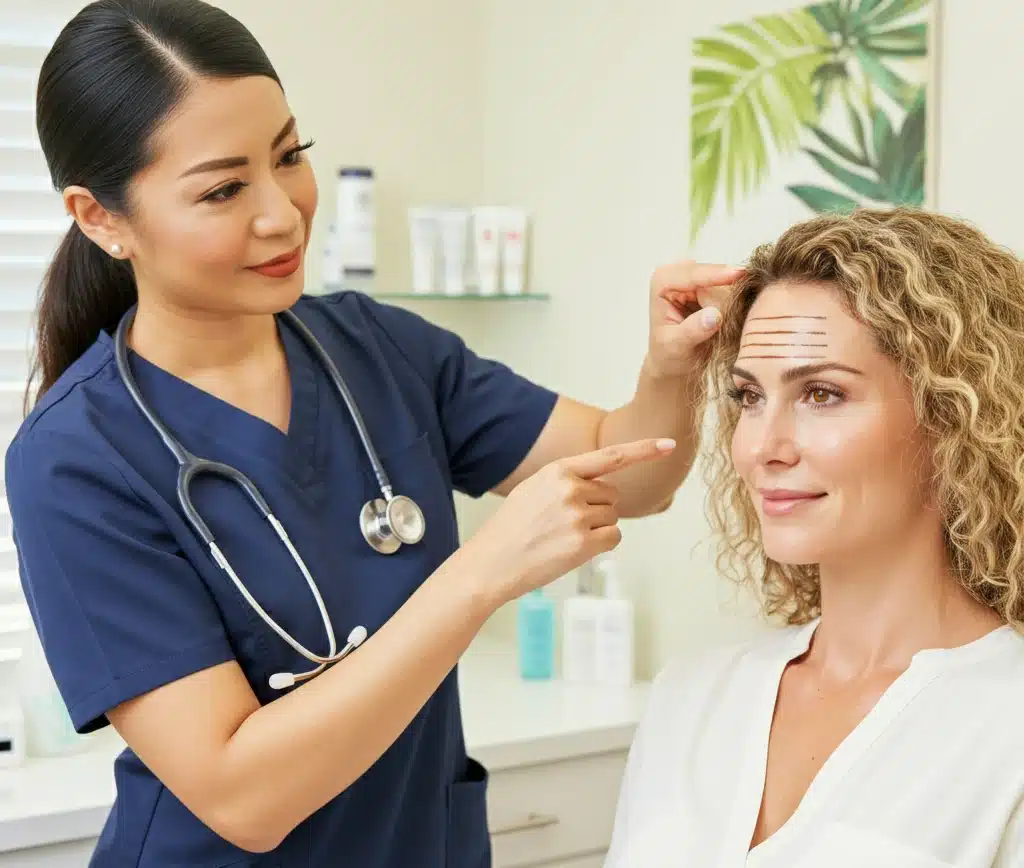
Honolulu's Dr Susan Tan marks dotted zones on a woman's temples, under-eyes, cheeks and chin, the areas most often treated with dermal fillers.

  • Cheeks (midface): Restoring volume here provides youthful contour and support.
  • Temples: Filling hollow temples can soften the skeletal look that sometimes accompanies rapid weight loss.
  • Under eyes (tear troughs): Carefully placed fillers can reduce the appearance of hollowness and dark circles.
  • Jawline and chin: Fillers can softly reshape and support the lower face for a well-balanced profile.

The 4 Types of Dermal Fillers: Pros and Cons

There are several types of dermal fillers, each having its own properties, advantages, and disadvantages. The most common include hyaluronic acid (HA) fillers, calcium hydroxylapatite (CaHA), poly-L-lactic acid (PLLA), and autologous fat transfer. Let’s compare them:

Hyaluronic Acid (HA) Fillers

Examples: Juvederm®, Restylane®, Belotero®

Pros:

  • Immediate results
  • Reversible with hyaluronidase if necessary
  • Wide variety of formulations for different facial areas
  • Typically well-tolerated

Cons:

  • Temporary (lasting 6–18 months depending on product and area)
  • Rare risk of allergic reaction or vascular complications

Best for: Cheeks, tear troughs, lips, nasolabial folds, marionette lines

Calcium Hydroxylapatite (CaHA)

Example: Radiesse®

Pros:

  • Provides both instant volume and long-term collagen stimulation
  • Typically lasts longer than HA fillers (up to 12–18 months)
  • Natural-looking results

Cons:

  • Not reversible
  • Best suited for deeper injections (not for under eyes or lips)
  • Rare risk of nodule formation

Best for: Cheeks, jawline, nasolabial folds, hands

Poly-L-lactic Acid (PLLA)

Example: Sculptra®

Pros:

  • Stimulates collagen production for gradual, natural-looking volume restoration
  • Results can last up to two years
  • Suitable for larger areas of volume loss

Cons:

  • Results take several weeks to months to appear
  • Requires a series of treatments
  • Not suitable for zones needing precision or delicate contouring

Best for: Cheeks, temples, jawline, broader facial rejuvenation

Autologous Fat Transfer

Available only from a facial plastic surgeon

Pros:

  • Uses your own fat (minimizing allergy risk)
  • Can provide long-lasting, natural results
  • Good for large volume restoration

Cons:

Best for: Cheeks, temples, broader facial volume

Why the Injector’s Skill and Expertise Matter

No matter which filler is used, the outcome depends heavily on the skill, training, and technique of the injector. Experience with facial anatomy is vital to ensure safe, precise placement and natural-looking results. Here’s why:

  • Safety: Knowledge of facial arteries and nerves is essential to avoid rare but serious complications.
  • Customization: A skilled, medically knowledgeable injector tailors the treatment to your unique facial structure, volume reduction patterns, and cosmetic objectives.
  • Natural Results: Expert injectors know how to refrain from overfilling and create a subtle, refreshed look instead of an artificial or puffy appearance.
  • Problem-Solving: Complications or asymmetries can be properly managed by experienced providers.

Why Choose a Facial Plastic Surgeon or Advanced Injector?

Providers with an extensive understanding of facial anatomy—such as facial plastic surgeons and other medically trained injectors—are especially well-equipped to deliver optimal results. They bring medical expertise and trained eyes, making certain that the restored volume blends with your natural features.

The Trend Toward Natural-Looking Results

In the past, overfilled cheeks and lips—sometimes called pillow face—were seen as status symbols. Today, the pendulum has swung toward subtlety. Most patients want to look like the best version of themselves, not like they’ve had work done. Achieving this means:

  • Using the right amount and type of filler for your anatomy
  • Layering treatments for gradual, believable rejuvenation
  • Respecting natural contours and unique features
  • Prioritizing facial balance and symmetry

A patient-centered injector will discuss your goals, analyze your facial structure, and create a customized plan that improves your appearance without looking artificial.

How Facial Filler Treatment Works

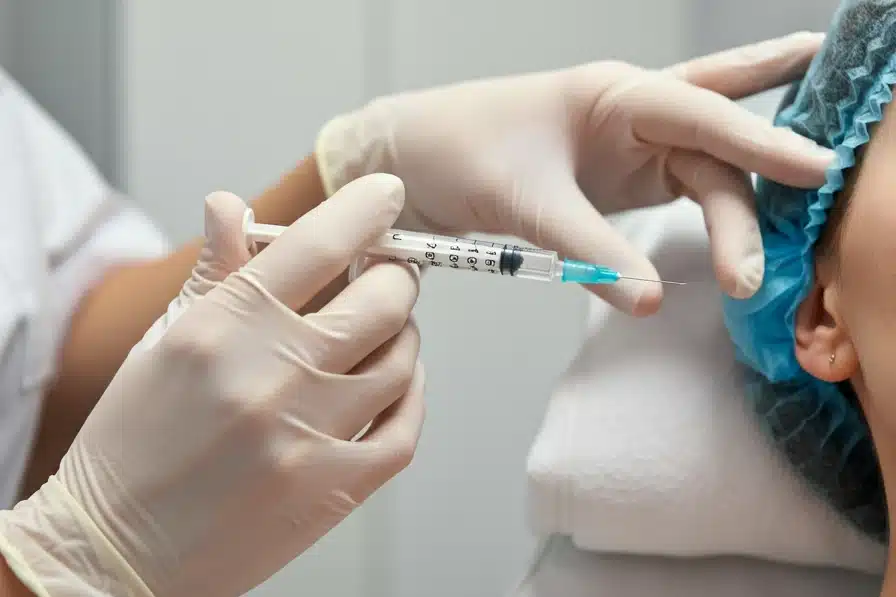
Injector in purple gloves placing dermal filler above a woman's upper lip with a fine needle during a short in-office appointment for treating ozempic face.

  1. Consultation: Your provider will assess your facial anatomy, discuss your concerns, and recommend the most suitable filler product.
  2. Treatment: Most fillers are injected with fine needles or cannulas. The procedure usually takes 30–60 minutes.
  3. Recovery: Mild swelling, bruising, or tenderness is common and usually resolves in a few days.
  4. Results: Depending on the filler, results may be immediate (HA, CaHA) or gradual (PLLA, fat transfer).
  5. Follow-up: You may need touch-ups or additional sessions for the best result.

Risks and Considerations

While dermal fillers are generally safe in professional hands, they’re not risk-free. Possible issues include:

  • Bruising and swelling
  • Infection (rare)
  • Lumps or nodules
  • Allergic reactions
  • Vascular complications (extremely rare but serious)

Choosing an experienced and qualified injector with advanced medical and facial anatomy knowledge greatly reduces the chance of complications.

Facial Volume Loss Can be Treated with Fillers

Dermal fillers offer an effective treatment for patients dealing with Ozempic face – that is, facial volume loss after taking Wegovy or Zepbound. 

If you have quickly lost weight and your facial appearance has been affected, talk to a qualified provider like a facial plastic surgeon to discuss injectable dermal fillers or other options that might be best for you.

If you’re in Oahu, Dr. Susan Tan at Hawaii Facial Plastic Surgery in Honolulu is a leading provider of dermal filler injections. You can reach her office at (808) 636-9084 to schedule an appointment.

Frequently Asked Questions

A.1. There’s no mandatory waiting period, but it’s best to wait until your weight stabilizes to avoid needing repeated adjustments.

A.2. HA fillers last 6–18 months; CaHA about 12–18 months; PLLA up to 2 years; fat transfer can be permanent, though touch-ups may be needed.

A.3. Not when done by a skilled, conservative injector. The goal is to restore lost volume—not to overfill.

A.4. Yes, when performed by medically trained professionals. Most side effects are mild and temporary.

A.5. HA fillers can be dissolved with an enzyme. Other fillers are not reversible but often fade over time.

A.6. Yes—fillers are often combined with neuromodulators (like Botox), skin tightening, or laser treatments for complete rejuvenation.

A.7. Look for board-certified facial plastic surgeons or medically trained and experienced providers with a track record of natural results and satisfied patients.

Botox® Injections for Underarm Hyperhidrosis: A Complete Guide

Sweating is a natural and essential bodily function, helping regulate temperature and remove toxins. However, for many people in Hawaii, sweating isn’t simply a response to tropical heat or exertion—it’s an ongoing, uncontrollable issue known as hyperhidrosis. The excessive sweating it causes can be physically uncomfortable, emotionally distressing, and socially isolating.

One of the most effective and increasingly popular treatments for underarm (axillary) hyperhidrosis is Botox® injections. In this article, we’ll explore what hyperhidrosis is, how Botox works to treat it, what to expect from the procedure, and answer common questions at the end.

What is Hyperhidrosis?

Close-up of a sweat stain under a woman's armpit caused by hyperhidrosis, an underarm sweating condition.

Hyperhidrosis is a condition that causes excessive sweating beyond what is needed for regulating your body temperature. While it can affect various body parts—such as the palms, soles, face, and groin—underarm hyperhidrosis is one of the most common and troublesome forms. The sweating can occur even in cool environments or without any physical activity.

Excessive Sweating’s Impact on Daily Life

People with excessive underarm sweating often find that their condition interferes with daily activities, leading to:

  • Stained clothing
  • Social embarrassment
  • Anxiety and self-consciousness
  • Avoidance of certain situations or clothing
  • Difficulty with professional or personal interactions

While antiperspirants and lifestyle changes help some people, many require more advanced solutions.

Botox: How Does It Work for Sweating?

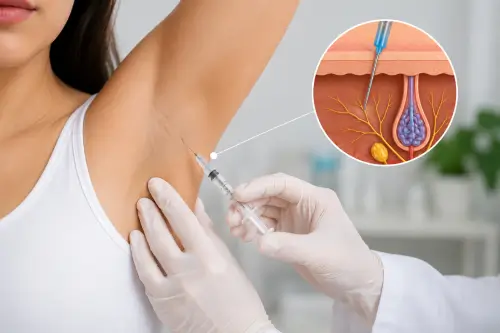
Underarm Botox treatment with an anatomical graphic illustrating how injections block hyperhidrosis signals.

Botox, or botulinum toxin type A, is most commonly associated with cosmetic wrinkle reduction. However, it has a long history of medical uses, including treatment for migraines, muscle spasms, and, notably, excessive underarm sweating caused by hyperhidrosis.

What It Does: Botox works by blocking the nerve signals that activate sweat glands. When injected into the underarm area, it temporarily paralyzes the nerves responsible for triggering sweat production. The result is a significant reduction in sweating in the treated area.

Effectiveness: Clinical studies have shown that Botox can decrease underarm sweating by up to 82-87%. Most patients experience results within a few days, with peak dryness reached within two weeks. The effects typically last about six months, after which the treatment can be repeated.

The Procedure: What to Expect

Preparation

  • Consultation: Your doctor will take your medical history and ensure Botox is suitable for you.
  • Preparation: The area is cleaned and sometimes marked to guide injection sites.
  • Anesthesia: Most people tolerate the procedure well, but a topical numbing cream or ice may be used to reduce discomfort.

The Injection Process

  • The doctor injects small amounts of Botox just under the skin in a grid-like pattern across the underarm area.
  • The procedure takes about 10–20 minutes per underarm.

Recovery and Aftercare

  • There’s minimal downtime. Most people return to normal activities immediately.
  • Avoid vigorous exercise or hot environments for 24 hours.
  • Side effects are rare but may include mild bruising, tenderness, or swelling at the injection sites.

Who is a Candidate for Botox for Excessive Sweating?

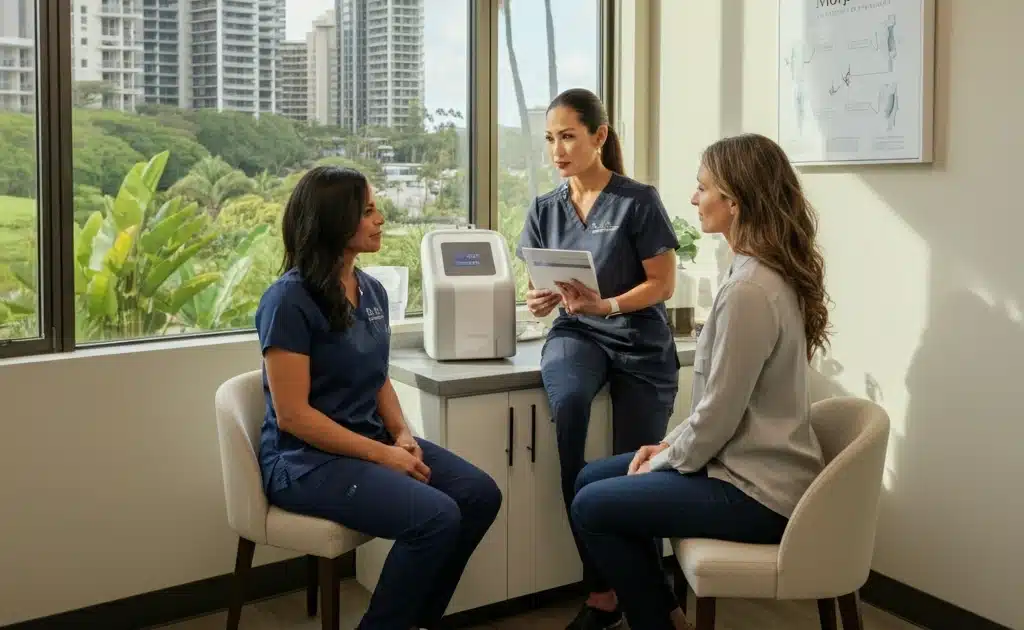
Female doctor reviewing a clipboard during a hyperhidrosis consultation with a patient in Honolulu, Hawaii.

Botox is generally recommended for adults with excessive underarm sweating who have not responded well to topical antiperspirants or other non-surgical treatments. It’s not suitable for those with certain neuromuscular disorders, allergies to botulinum toxin, or active skin infections in the treatment area.

A consultation with a qualified medical professional is essential to determine if you’re a good candidate.

Benefits and Risks

Benefits

  • Dramatic reduction in sweating
  • Improved quality of life
  • Quick, minimally invasive procedure
  • Little to no downtime
  • Temporary but repeatable treatment

Risks

  • Temporary muscle weakness near the treated area
  • Mild pain, bruising, or swelling
  • Rare allergic reactions
  • Need for repeated treatments (effects are not permanent)

Cost and Insurance

The cost of Botox for underarm hyperhidrosis varies widely depending on your location, the provider’s experience, and the number of units required. On average, treatment costs may range from $1,000 to $1,500 for both underarms per session.

Some insurance plans may cover the procedure if it is deemed medically necessary and other treatments have failed. Always check with your insurer and healthcare provider.

Treating Hyperhidrosis: A Range of Options

While Botox provides considerable relief for many, it’s just one option. Other treatments include:

  • Prescription-strength antiperspirants
  • Oral medications (anticholinergics)
  • Iontophoresis (a device that uses electrical currents)
  • Microwave therapy (MiraDry)
  • Surgical options (sympathectomy or sweat gland removal)

A holistic approach, often combining multiple strategies, can help control symptoms most effectively.

Excessive Sweating Can be Reduced with Botox

Botox injections have changed the management of underarm hyperhidrosis, delivering relief from excessive sweating and its emotional and social consequences.

If you struggle with excessive underarm sweating, talk to your healthcare provider to discuss whether Botox or other treatments might be right for you. Life doesn’t have to be ruled by sweat—effective solutions are available.

In Honolulu, Dr. Susan Tan at Hawaii Facial Plastic Surgery is one of the leading providers of Botox injections. Contact her office at (808) 636-9084 to schedule a consultation.

Frequently Asked Questions

A.1. The procedure usually takes about 20–30 minutes in total, including preparation.

A.2. Most patients see a reduction in sweating within 2–7 days, with full effects in two weeks.

A.3. On average, results last about six months, but this can vary by individual.

A.4. Most people experience only mild discomfort, likened to tiny pinpricks. Numbing creams or ice can be used.

A.5. Side effects are usually mild and temporary, such as bruising or swelling at the injection site.

A.6. There is no strong evidence that compensatory sweating occurs in other areas after Botox in the underarms.

A.7. It’s best to avoid strenuous exercise and hot environments for 24 hours post-treatment.

A.8. Botox has been used for many years and is considered safe when administered by a qualified professional. Repeated treatments have not been shown to cause lasting harm.

Don’t Let Your Hands Reveal Your Age

Hawaii hand rejuvenation treatment showing smooth youthful hands after Radiesse and laser therapy. Comparison of hands before and after.

The Ultimate Guide to Hand Rejuvenation

When it comes to anti-aging treatments, most people think of their faces first — wanting to smooth wrinkles, restore lost volume, and even out skin tone. However, there’s another body part that often gives away your age before you realize it: your hands. 

Sun exposure from driving, gardening, or fun days at the beach can leave hands covered in sun spots and veins, revealing the years, even when your face looks decades younger. Fortunately, modern cosmetic medicine offers effective solutions to ensure your hands look as youthful as you feel.

Why Do Hands Age Faster Than the Face?

Hands are constantly exposed to the elements. Unlike the face, which is regularly protected with sunscreen and skincare, hands are often overlooked. Over the years, sun damage builds up, causing brown spots, thinning skin, visible veins, and loss of youthful plumpness. 

Everyday activities, from washing dishes to working outdoors, strip away moisture and break down collagen. Genes likewise play a role, but lifestyle is the biggest culprit.

Telltale Signs of Aging Hands

  1. Sun Spots (Liver Spots): Flat, brown marks caused by UV exposure.
  2. Prominent Veins: Loss of fat and skin thinning make veins more visible.
  3. Wrinkles and Crepey Skin: Collagen and elastin loss lead to laxity.
  4. Dryness and Rough Texture: Repeated washing and sun exposure dehydrate the skin.

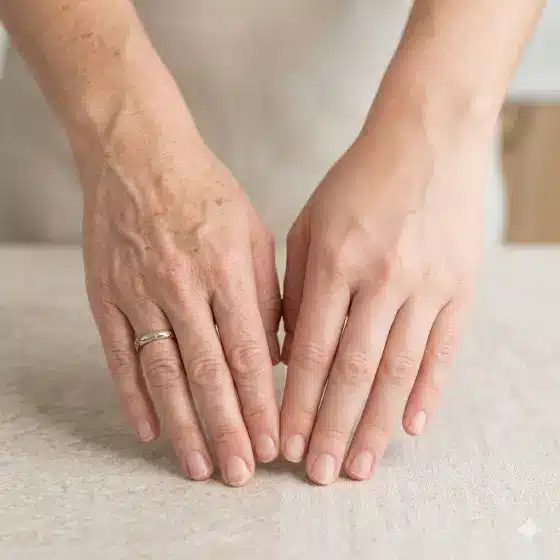
A close-up of aged hands resting over smooth, youthful hands with a diamond ring, visualizing the ultimate goal of hand rejuvenation results.

The Best Treatments to Rejuvenate Aging Hands

Volume Restoration with Radiesse®

Radiesse® is an FDA-approved dermal filler and biostimulator made of calcium hydroxylapatite microspheres suspended in a gel. 

When injected into the back of the hands, it replenishes lost volume, camouflaging veins and tendons. Over time, Radiesse also stimulates your body’s own collagen production, offering long-lasting improvement in skin texture and firmness.

What to Expect:

  • Quick, in-office procedure (about 30 minutes)
  • Minimal discomfort; numbing cream is used
  • Results are immediately visible
  • Improvements last 1-2 years on average

Laser Treatments for Sun Spots

Today’s improved lasers, such as intense pulsed light (IPL) or Q-switched, can target sun spots on the hands. The laser energy breaks up melanin, causing spots to darken temporarily before flaking off. A series of treatments can dramatically fade sun damage and improve skin tone.

What to Expect:

  • Mild tingling or snapping sensation during treatment
  • Little to no downtime
  • Gradual lightening of spots over several weeks
  • Sunscreen is critical after treatment to maintain results

Chemical Peels and Microneedling

Light chemical peels are another option. They exfoliate the skin’s surface, improving texture and promoting cell turnover. Microneedling triggers collagen production, thickening the skin and reducing crepiness. Both are popular add-ons to other hand rejuvenation treatments.

At-Home Skincare for Hands
Daily use of a broad-spectrum sunscreen is a must for prevention and maintenance. Hand creams with retinol, vitamin C, and hyaluronic acid can boost hydration and stimulate collagen, making hands appear softer and smoother. Consider applying your facial serums to your hands each night.

Prevention: Protecting Your Hands Daily

  • Apply sunscreen to the top of your hands every morning, especially before driving.
  • Wear gloves when gardening or cleaning.
  • Moisturize after washing hands and before bed.
  • Avoid harsh soaps that strip oils from the skin.

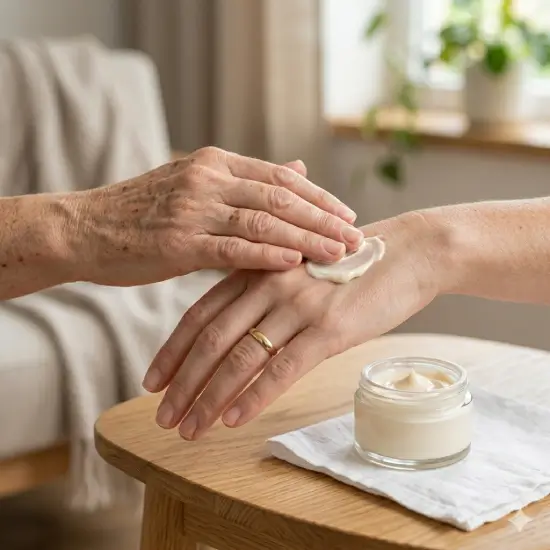
A senior hand rubs hydrating skincare lotion from a small jar onto the other hand, showing daily preventative hand rejuvenation treatments in Hawaii for aging hands.

What Results Can You Expect?

With the right combination of treatments, patients typically see smoother, plumper, and more youthful-looking hands. Veins become less visible, dark spots fade, and skin regains its healthy glow. Maintenance treatments every 1-2 years and consistent sun protection are the keys to lasting results.

Don’t let your hands make you look older. With today’s state-of-the-art treatments and some proactive care, you can restore youthful beauty to your hands — and keep them looking as good as the rest of you.

Interested in hand rejuvenation? Contact Hawaii Facial Plastic Surgery at (808) 636-9084 to schedule a consultation. Our services include dermal fillers and laser treatments.

Frequently Asked Questions

A.1. Most patients find these procedures only mildly uncomfortable. Numbing creams or local anesthetics are used to reduce discomfort. Many people feel laser treatments may feel like a rubber band snap, and fillers involve a brief pinch.

A.2. Yes, laser treatments and Radiesse® injections can often be performed on the same day for hand rejuvenation. However, the decision depends on your skin type, treatment areas, and your provider’s recommendations for the best safety and results.

A.3. Radiesse® provides instant volume, while laser treatments require a few weeks for sun spots to fade. Most patients notice significant improvement within one to two weeks.

A.4. When performed by a qualified provider, both treatments are safe, with minimal risk of side effects. Minor bruising, swelling, or redness may occur but usually resolves quickly.

A.5. Filler results can last up to two years, while laser results can be maintained with annual touch-ups and ongoing sun protection.

A.6. Anyone bothered by visible signs of aging on their hands — including spots, veins, or wrinkled skin — may benefit. An in-person consultation is the best way to determine if the treatment is right for you.

Is SkinPen® Worth It?

Learn More About Microneedling Options

SkinPen Microneedling with PRP comparison of before and after treatment shows improved skin texture and reduced signs of aging.

Over the past 20 years, microneedling has become a mainstay in the cosmetic treatment world, delivering better skin texture, reduced scars, and a youthful glow. So, it’s natural that researchers and companies would push the envelope with new and improved options. One of the most interesting is SkinPen® with Platelet-Rich Plasma (PRP), which has received considerable attention.

But is SkinPen with PRP really worth it compared to other microneedling treatments? To answer, it’s helpful to examine the science, benefits, costs, and patient experiences to help you decide.

First, What is SkinPen Microneedling?

SkinPen® is an FDA-cleared microneedling device. It is used in a procedure that involves fine needles to create thousands of controlled micro-injuries in the skin.

This process stimulates the body’s natural healing response, bringing about increased collagen and elastin production. Over time, this can result in smoother, firmer, and more even-toned skin.

What is PRP, and How is it Used with SkinPen?

Platelet-Rich Plasma (PRP) comes from your own blood. Before the procedure, a small amount of your blood is drawn and spun in a centrifuge to separate out the plasma, which is rich in growth factors.

The PRP is then applied topically to the skin or injected during the SkinPen microneedling session. The idea is that these growth factors can further boost healing, stimulate collagen, and enhance results.

Comparison of SkinPen with PRP other microneedling devices and serums like hyaluronic acid for treating wrinkles and fine lines.

Comparing Microneedling Options

1: SkinPen with PRP

While SkinPen’s microneedling alone is effective in stimulating collagen and improving skin texture, adding PRP is an additional treatment to accelerate healing and enhance results. PRP delivers a concentrated dose of your body’s own healing proteins directly to the treated skin, which can reduce healing time and enhance the rejuvenation process.

2: Other Microneedling Devices

Not all microneedling devices are FDA-cleared. SkinPen’s FDA approval means it has been carefully studied and tested. Some other devices may be less precise or do not have the same safety standards, which may result in inconsistent results or increased risk of side effects.

3: Microneedling with Other Additives Such as Hyaluronic Acid

Other serums, such as hyaluronic acid or vitamin C, can be applied during microneedling to hydrate and brighten the skin. While these ingredients have their own benefits, they do not contain the same potent growth factors found in PRP. For patients seeking maximum regenerative effects, PRP may be preferable.

What Conditions Can SkinPen with PRP Treat?

Benefits of SkinPen with PRP

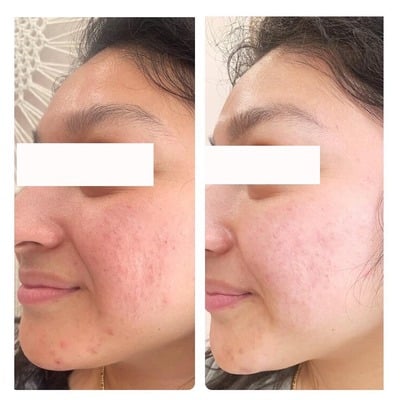
Benefits of SkinPen PRP treatments include faster healing for hyperpigmentation and acne scarring.

  • Enhanced Collagen Production: The combination of microneedling and PRP powerfully stimulates collagen and elastin synthesis.
  • Faster Healing: PRP’s growth factors can speed the skin’s natural repair process, often causing less redness and downtime.
  • Improved Results: Many patients report better texture, tone, and firmness when combining SkinPen with PRP compared to microneedling alone.
  • Reduced Risk of Reaction: Since PRP comes from your own blood, the risk of allergic reaction or sensitivity is minimal.

How Much Does It Cost?

SkinPen with PRP treatments are generally more expensive than microneedling alone. The higher price covers the PRP preparation and the enhanced benefits it provides.

Prices vary by location and provider, but patients often find the investment in procedures with medical-grade attributes worthwhile for the potential of faster and more noticeable results.

Are There Any Downsides?

  • Cost: Adding PRP increases the price of treatment.
  • Mild Discomfort: Some patients experience redness and swelling for a day or two after treatment.
  • Multiple Sessions: For best results, a series of treatments, often three, is usually recommended.

Real Patient Experiences and Satisfaction

Most patients who choose treatment with SkinPen with PRP are looking for improvement in skin texture, tone, or want to correct scarring. Their reviews regularly talk about:

  • Satisfaction with the shorter recovery time compared to regular microneedling
  • Better skin appearance and firmness
  • Noticeable improvement in acne scarring

SkinPen with PRP exceeds other microneedling options thanks to its safety and the possibility to enhance results and reducing downtime. While it does require a greater investment, many patients find the benefits worthwhile.

If you’re seeking a non-invasive way to rejuvenate your skin with minimal risk, SkinPen with PRP is certainly worth considering.

Frequently Asked Questions

A.1. Results are long-lasting, but the natural aging process and sun exposure may make occasional maintenance treatments needed.

A.2. Yes, the treatment is FDA-cleared, and PRP is derived from your own blood, making it a safe option for most patients.

A.3. Most providers recommend a series of treatments, often 3 and sometimes as many as 6, spaced about a month apart for best results.

A.4. Most clients experience redness and mild swelling for 1-3 days, but downtime is typically less than with microneedling alone.

A.4. Healthy adults looking to improve skin texture, scars, or minimize the early signs of aging are generally good candidates.

Wind-Blown Lips: Restoring Hydration and Volume in Hawaii’s Climate

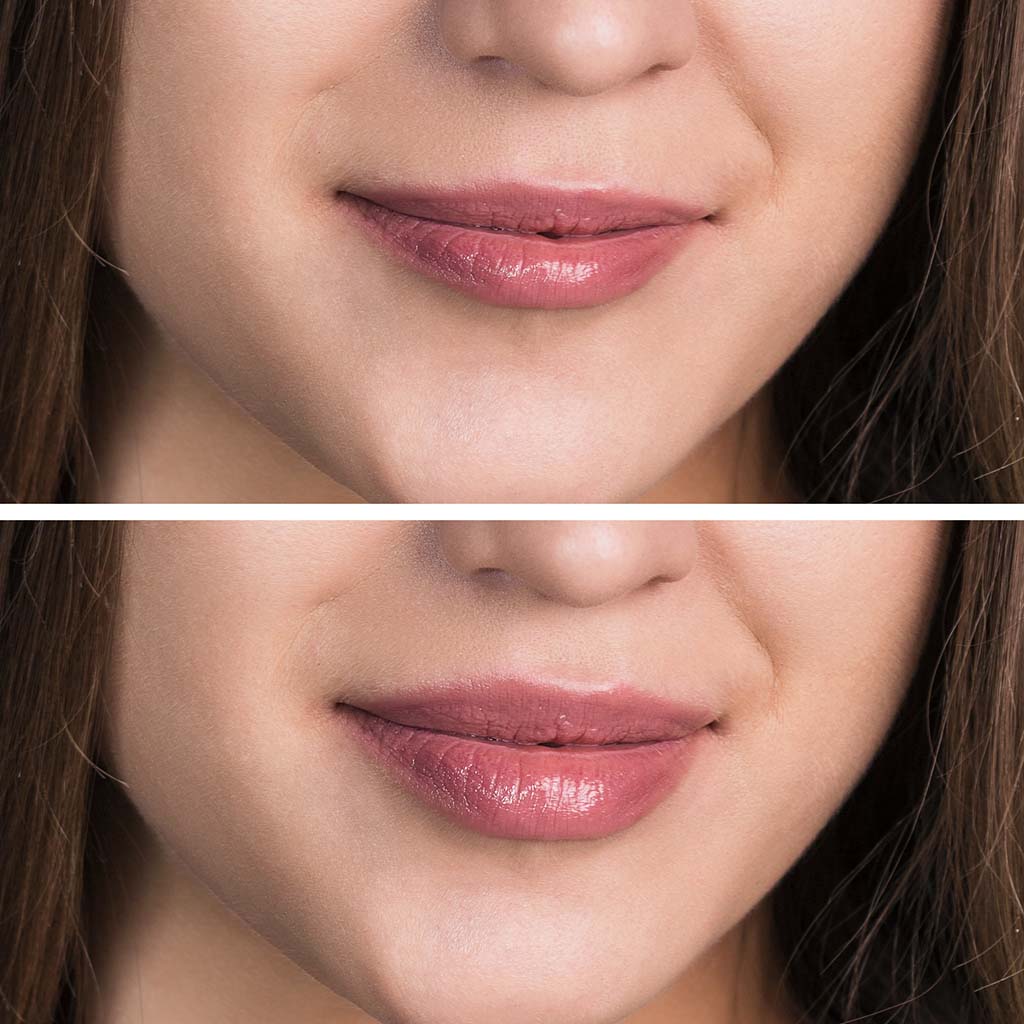
Before and after results of a Hawaii lip filler treatment showcasing improved moisture and volume.

Living in Hawaii, we’re lucky to enjoy year-round sunshine, beaches, and the cooling effect of trade winds. But, for many of us, the winds can be less of a blessing when it comes to lip health. Chronic chapping, dehydration, and loss of lip definition are common complaints among islanders.

If you’ve ever noticed your lips feeling perpetually dry or lacking their usual plumpness, you’re not alone. This article looks at how our Hawaiian climate affects the lips, the latest injectable treatment options for restoring hydration and volume, and answers commonly asked questions about lip care and lip fillers.


How Hawaii’s Climate Affects Your Lips

Hawaii’s trade winds are famous for keeping Oahu and all the islands cool and pleasant, but they have a drying effect on skin and lips.

  • Unlike other parts of the body, your lips lack oil glands. It means they don’t produce their own moisture, making them especially vulnerable to environmental stressors.

Combine brisk winds with intense tropical UV exposure and salt from ocean air, and you have a perfect storm for chronic lip dryness, chapping, and even a gradual loss of volume and definition over time.

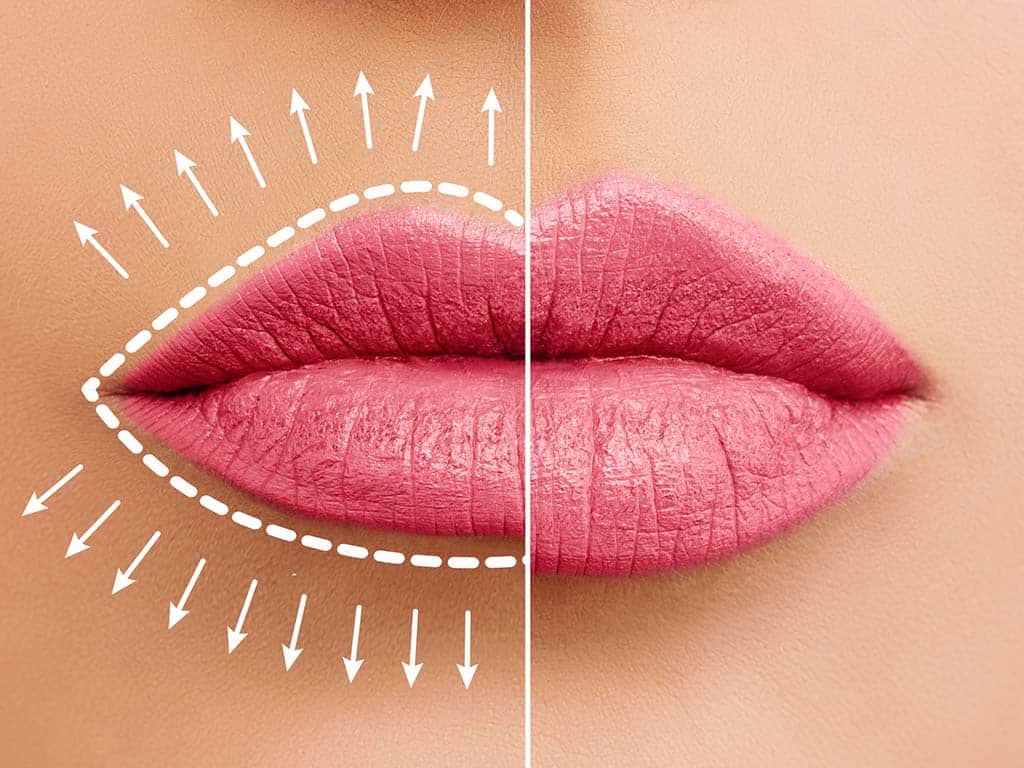
Diagram displaying fuller lips after a Honolulu injectable lip filler treatment at Hawaii Facial Plastic Surgery.

The Medical Science Behind Lip Hydration and Aging

Lips are composed of delicate tissue that is thinner than the skin on the rest of your face. As we age, the natural production of hyaluronic acid—a molecule that binds water and keeps lips soft and plump—slows down.

Sun exposure accelerates the effects of aging, breaking down collagen and depleting hydration. The result? Lips that feel dehydrated, look thinner, and lose their youthful definition.


Tips on Lip Care and Hydration

The first step toward better-looking (and feeling) lips is to follow good lip care habits. There are five proven strategies to keep your lips healthy, hydrated, and beautiful:

  1. Stay Hydrated: Drink plenty of water daily. Dehydration shows up quickly on your lips.
  2. Use a Humidifier: Combat the dryness caused by trade winds with a home humidifier.
  3. Apply SPF Lip Balm: Choose a lip balm with broad-spectrum SPF to guard against UV damage.
  4. Exfoliate Gently: Use a soft toothbrush or sugar scrub to remove dead skin cells weekly.
  5. Avoid Licking Your Lips: This habit worsens dryness by stripping away natural moisture.


When Self-Care Isn’t Enough: The Role of Lip Fillers

Even with good lip care habits, many people find their lips remain dry and appear thin. In Hawaii’s climate, restoring lost volume and hydration may require more than topical solutions alone. Modern hyaluronic acid-based fillers are intended not only to enhance volume but also to improve lip texture and definition.

Susan Tan, MD, a double board-certified plastic surgeon and our medical director at Hawaii Facial Plastic Surgery, says advanced lip fillers integrate fluidly with your natural tissue, adding subtle volume and definition while attracting and retaining moisture. It means your lips will look better while feeling softer and more hydrated.


Lip Fillers Have Many Benefits in Hawaii

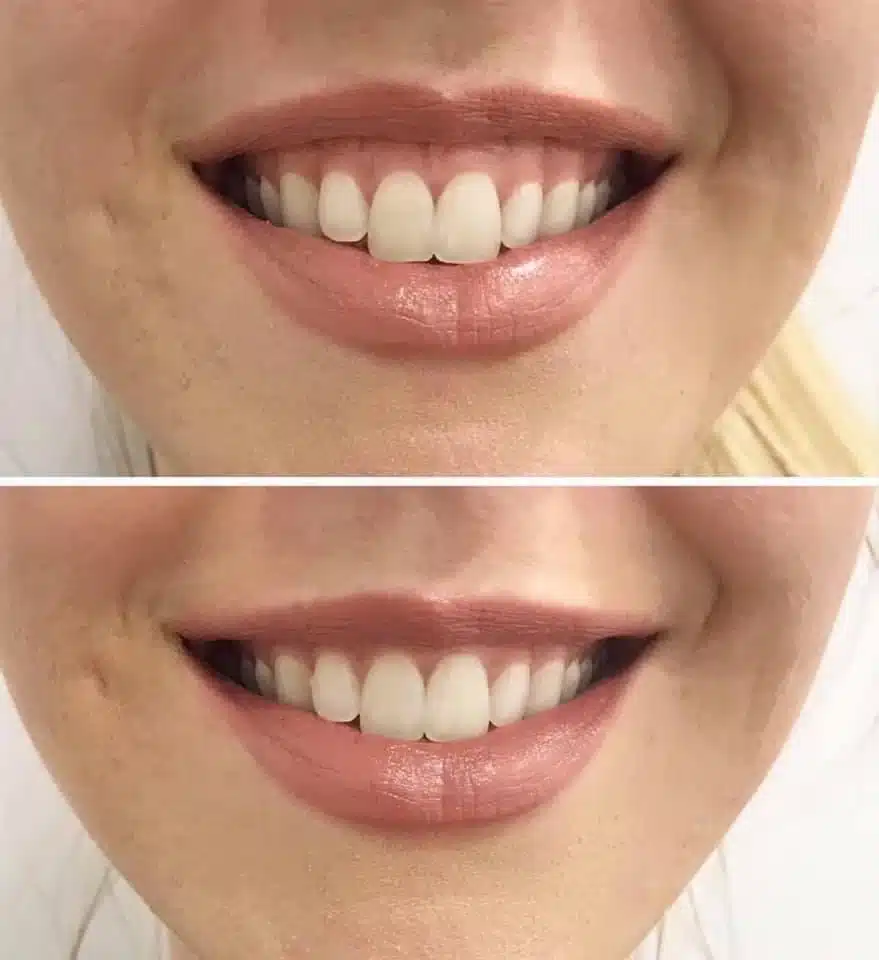
Before and after of treatment with injectable lip filler, Restylane® Kysse, highlight restored lip volume while maintaining natural looking results.

  • Restore lost volume: Subtly plumps lips for a fuller appearance.
  • Enhance definition: Rejuvenates the border and cupid’s bow for a more youthful look.
  • Improve hydration: Hyaluronic acid attracts water molecules, keeping lips moist from the inside out.
  • Smooth texture: Softens fine lines and chapping, resulting in smoother lips.
  • Customizable results: Treatments can be customized to your goals, whether you want a natural refresh or a more dramatic change.


What to Expect During a Lip Filler Appointment

A typical lip filler session starts with a consultation to discuss your goals and assess your lips’ condition. Your provider will recommend the best filler and approach based on your facial features and desired outcome.

The procedure itself is quick, often lasting less than 30 minutes, and includes numbing to reduce discomfort. Results are visible immediately, with minimal downtime—most people return to regular activities the same day.


Tips Toward Maintaining Your Results

  • Moisturize regularly: Use a hydrating balm to prolong your filler’s effects.
  • Protect from sun exposure: Reapply SPF lip balm, especially after eating or swimming.
  • Avoid smoking: Smoking accelerates collagen breakdown and contributes to lip aging.
  • Schedule touch-ups: Most lip fillers last 6–12 months. Regular maintenance guarantees lasting results.


Choose Your Lip Filler Provider Carefully

Hawaii’s comfortable trade winds and tropical climate are part of what makes island life so special, but they can take a toll on your lips. With the right combination of self-care and cutting-edge injectable treatments, you can restore hydration, volume, and definition for lips that look as good as you feel.

If you’re ready to experience a natural, rejuvenated pout, consult with a skilled provider to identify the best solution for your personal needs.

Frequently Asked Questions

A.Dermal fillers are designed for natural results. Your provider will tailor the amount and placement to avoid anything overdone or obvious.

A.2. Mild swelling and tenderness are common for 1–3 days. Applying ice and avoiding strenuous activity can help reduce it and any discomfort.

A.3. Hyaluronic acid fillers are generally safe for all skin types, but a consultation with a qualified provider is vital before you have the procedure.

A.4. It’s best to avoid swimming, saunas, and sun exposure for at least 24 hours after your treatment to reduce the risk of swelling or infection.

A.4. Look for a licensed, experienced injector who specializes in facial aesthetics. Ask to see before-and-after photos and discuss your goals openly.

Ultherapy PRIME® Tightens Your Skin with No Downtime

Look Refreshed and Younger by Stimulating Collagen

Ready to tighten your skin and rejuvenate your appearance with a non-surgical treatment offering no downtime or recovery? If so, it’s time to learn more about Ultherapy PRIME®, a leading-edge, FDA-cleared procedure that delivers excellent results for anyone dealing with saggy or loose skin.

Harness the power of focused ultrasound to lift and tighten skin on the face and neck, naturally stimulating your body’s collagen production.

In this article, we’ll explore how Ultherapy PRIME works, what makes it unique, and what you can expect from your treatment. We’ll also answer some of the most frequently asked questions about this popular cosmetic procedure.

What Is Ultherapy PRIME and How Does It Work?

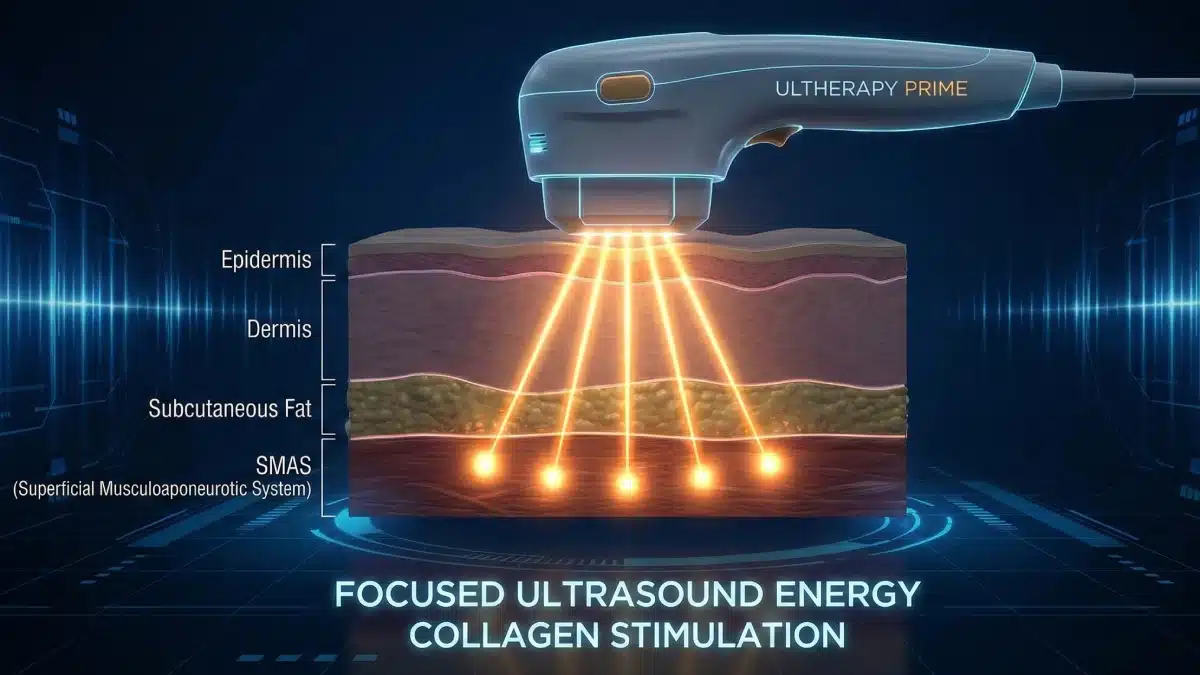
Ultherapy PRIME is a non-invasive cosmetic procedure that lifts, tones, and tightens loose or sagging skin on the face and neck. Unlike lasers or surgery, it utilizes focused ultrasound to stimulate collagen deeper in the skin’s foundational layers. The result is gradual, natural-looking lifting and tightening of the face, neck, and décolletage.

  • Targets the same deep tissue layers addressed in a surgical facelift
  • Reaches the Superficial Musculoaponeurotic System (SMAS) layer
  • Uses precise ultrasound energy to heat tissue at optimal depths
  • Triggering a natural regenerative response
  • Forms new collagen over time
  • Creates a firmer, more youthful appearance

The PRIME device is equipped with imaging technology, allowing practitioners to see exactly which tissue layers they’re treating. This precision ensures results are both safe and effective, tailored to each patient’s unique anatomy.

Infographic showing Ultherapy PRIME ultrasound energy penetrating the epidermis and dermis to reach the SMAS layer for deep tissue collagen stimulation.

Comfort: The Prime Device Advantage

One of the most significant advantages of treatment is the PRIME device. It’s designed to keep you more comfortable while it specifically targets the SMAS layer – and there’s less discomfort compared to other skin-tightening technologies.
Also, Individualized pain control options are available, recognizing that each person has a different pain threshold, and the importance of a comfortable treatment experience.

  • Pro-Nox (a patient-controlled nitrous oxide system)
  • Topical numbing cream
  • Local nerve blocks

When you come to Hawaii Facial Plastic Surgery, we will work with you to determine the best approach for your needs, ensuring your session is as comfortable as possible.

A modern treatment room at Hawaii Facial Plastic Surgery featuring a professional Ultherapy PRIME machine and medical chair with a scenic ocean and palm tree view.

No Downtime: The True Lunchtime Procedure

Many people who want to look better also lead busy lives. If you’re one of them, one of Ultherapy PRMIE’s biggest advantages is its “lunchtime procedure” reputation. Treatments typically take between 30 and 90 minutes, depending on the areas addressed.
Since treatment is non-invasive, there are no incisions, stitches to heal, or extended recovery periods. Most patients return to their normal activities immediately after the session, making it a perfect option for anyone with a packed schedule.

Am I a Good Candidate?

Ultherapy PRIME is best suited for patients with mild to moderate skin laxity—those who notice their skin starting to feel or look less firm.

Common concerns include sagging under the chin, loose neck skin, and drooping eyebrows. While it is not a substitute for a surgical facelift, it’s an excellent option for those not ready for facelift surgery or looking to prolong the effects of previous surgical procedures.

Results: What to Expect

After a treatment session, many people notice an initial tightening effect, but the most significant transformation unfolds gradually, as new collagen develops.

  • See full results after two to three months
  • Improvements continue for up to six months after treatment
  • Results typically last one to two years, depending on age, lifestyle, and genetics

Because Ultherapy PRIME stimulates your body to produce collagen, the results look completely natural. There’s no risk of a too-tight appearance—just a fresher, firmer, more youthful look.

The treatment is FDA-cleared for lifting the skin on the neck, chin, and brow, as well as improving lines and wrinkles on the décolletage.

Side effects are generally mild and temporary. You might experience slight redness, swelling, tingling, or tenderness after the procedure, but these symptoms usually resolve within hours or days.

Choosing the Right Provider

At Hawaii Facial Plastic Surgery, Ultherapy treatments may be performed by Dr. Tan or by her highly trained clinical team. Every provider is personally trained by Dr. Tan, understands facial anatomy and aesthetic balance, and follows Dr. Tan’s customized treatment protocols.

Every provider working with Dr. Tan shares the same philosophy: natural results, safety, and individualized care. Each treatment plan is developed under Dr. Tan’s guidance to ensure consistency and optimal outcomes—so patients receive the same level of expertise and attention regardless of which provider performs the procedure.

This collaborative approach allows us to deliver excellent results while offering greater flexibility in scheduling.

Ultherapy PRIME vs. Other Skin Tightening Treatments

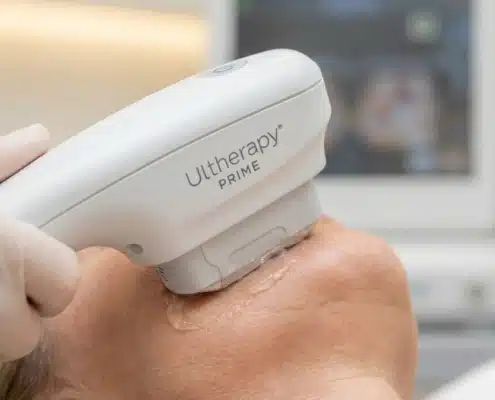
Close-up of a practitioner applying the Ultherapy PRIME handpiece to a patient's jawline to stimulate collagen for non-surgical skin tightening.Ultherapy PRIME offers a unique, non-surgical way to tighten and lift your skin with no downtime. Thanks to advances in comfort technology and customizable pain management, it’s more appealing than ever.


Also, it’s important to understand the advantages compared to other non-surgical skin-tightening options:

  • Ultrasound vs. Radiofrequency: Ultherapy PRIME’s focused ultrasound energy penetrates deeper than most radiofrequency (RF) treatments, reaching the SMAS layer for more lifting.
  • Non-surgical vs. Surgical: While a face or neck lift delivers dramatic, long-lasting results, Ultherapy offers gradual, subtle improvement with no surgery or downtime.
  • No Synthetic Fillers: Ultherapy stimulates your body’s own collagen, not by injecting fillers or other substances.

If you’re ready to refresh your appearance naturally, schedule an initial consultation to learn more about your options and see if this innovative treatment is right for you.

Frequently Asked Questions

A.1. Most patients find treatment very tolerable, especially with the PRIME device and individualized pain control options. You’ll discuss comfort measures with the doctor beforehand.

A.2. Treatments range from 30 to 90 minutes, depending on the areas being addressed. There’s no downtime, so you can resume your normal activities the same day.

A.3. While you may notice some initial tightening, most results appear gradually over two to three months, as your body produces new collagen. Improvements can continue for up to six months.

A.4. Most people achieve their desired results with a single session, but some may benefit from additional treatments, depending on the extent of skin laxity and goals.

A.5. Yes. Ultherapy PRIME is FDA-cleared and has an excellent safety profile. Side effects are usually mild and temporary, such as redness or tenderness after the procedure.

A.6. Results typically last one to two years, though it varies based on age, genetics, lifestyle, and skincare routines.

Sculptra® and Radiesse® Help Winter Dryness & Hollowing

Collagen Banking: The Ultimate Guide

Even when living in our tropical Hawaiian climate, the winter season can be tough on your skin. Winds and times of lower humidity may contribute to dryness, dullness, and a loss of facial volume—especially for those already noticing signs of aging or hollowing.

If you’re looking for ways to maintain plumper, more youthful-looking skin, biostimulatory injectables like Sculptra® and Radiesse® offer excellent results. They’re also excellent options for people with varying skin types.

In this article, we’ll explore how biostimulatory injectables work, why collagen banking matters, and how these treatments can help you look refreshed and hydrated all winter long. Plus, we’ll answer your top questions in a helpful Q&A at the end.

How Sculptra and Radiesse Work

For some time now, hyaluronic acid fillers that provide instant volume to targeted areas on the face and body have received much attention. But Sculptra and Radiesse are different. They are biostimulatory products that stimulate your body’s collagen production for natural, gradual, and lasting results.

Sculptra:

  • Contains poly-L-lactic acid (PLLA), a biocompatible substance that encourages your skin to produce more collagen
  • Results develop gradually over several months as new collagen forms
  • Particularly effective for restoring volume in the cheeks, temples, jawline, and midface

Radiesse:

  • Made with calcium hydroxylapatite (CaHA) microspheres suspended in a gel
  • Provides immediate volume upon injection, while also stimulating collagen over time
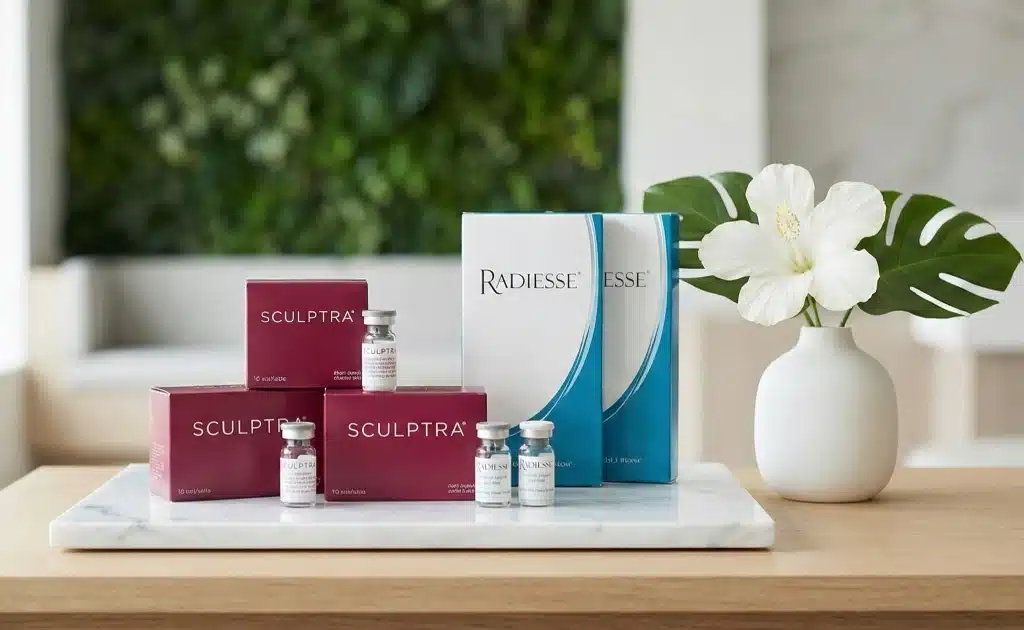
  • Often used for deeper folds, jawline definition, and even hand rejuvenationProduct packaging for Sculptra and Radiesse biostimulatory fillers used for collagen banking and winter skin hydration.

What Is Collagen Banking?

Collagen banking is about being proactive. It builds up and preserves your skin’s collagen before age-related volume loss occurs. Banking is often of greatest interest (and value) to younger people and those in middle age who can take preventative steps.

Unlike traditional approaches that wait to treat wrinkles and hollows until they appear, collagen banking aims to prevent flaws before they occur.

Collagen is the protein responsible for your skin’s firmness, elasticity, and youthful fullness. Everyone’s collagen production begins to decline in their mid-20s, with accelerated loss in the 30s and 40s. Environmental stressors—like sun exposure, pollution, and winter dryness—speed up the depletion, leading to hollowing, sagging, and wrinkles.

By “banking” collagen in your 20s through 40s, you’re essentially investing in your future appearance. Early, proactive treatments can slow down future volume loss, help you maintain firmness longer, and reduce the need for more aggressive procedures down the line.

Immediate Benefits for Winter Skin

Even though Sculptra and Radiesse are designed for gradual improvement, both offer subtle, immediate benefits after injection.

  • Instant Volume: Both products provide initial plumping from the injected material itself and the fluid used to dilute Sculptra. It smooths hollows and contours for a fresher look, even before new collagen production begins.
  • Improved Facial Contour: Cheeks, temples, and jawlines become more defined, counteracting the flatness and hollowing that often worsens with winter dryness.
  • Hydrated, Glowing Skin: The injection process can boost circulation and hydration, giving you a healthy glow that’s especially welcome during drier, duller winter months.
  • Refreshed Appearance: Enhanced structure and support help you look less tired and more vibrant.

Over the following weeks, as your body builds new collagen, the beneficial effects become more pronounced — and they are natural-looking throughout, never appearing like you “had work done.”

Why Start Collagen Banking Early?

Portrait of Susan Tan, MD, founder of Hawaii Facial Plastic Surgery and expert in Sculptra and Radiesse treatments.
Many dermatologists and facial plastic surgeons, such as Susan Tan, MD, founder and medical director of Hawaii Facial Plastic Surgery in Honolulu, advise patients on the benefits of starting Sculptra or Radiesse treatments early. The truth is, starting earlier offers several advantages:

  • Maximize Collagen Production: Your body’s ability to produce collagen is strongest in your 20s and 30s. Early treatments harness this potential for longer-lasting results.
  • Slow Down Volume Loss: Building up collagen “reserves” helps delay hollowing and sagging, so you maintain a youthful appearance for longer.
  • Less Need for Aggressive Treatments Later: By maintaining your skin’s foundational support, you’ll likely require fewer and less invasive treatments as you age.

Comparing Sculptra and Radiesse: Which Is Right for You?

Both Sculptra and Radiesse are excellent for collagen banking, but each has unique strengths that may make one a better fit for your needs:

Feature Sculptra® Radiesse®
Main Ingredient Poly-L-lactic acid Calcium hydroxylapatite
Onset of Results Gradual, 2-3 months Immediate + gradual
Longevity 2+ years 1-2 years
Best For Large volume loss, full face Structural support, jawline, hands
Injection Technique Series of treatments Often one or two sessions

A qualified provider can help you decide which product or combination will best achieve your goals, based on your facial anatomy, lifestyle, and budget.

What to Expect During and After Treatment

Biostimulatory injectable treatments are minimally invasive, non-surgical procedures performed in the office. Here’s a general overview:

  1. Consultation: Your doctor assesses your facial structure and discusses your goals.
  2. Treatment: Areas are numbed for comfort. The filler is injected with a fine needle or cannula.
  3. Aftercare: You may experience mild swelling, redness, or bruising for a few days. Sculptra patients are often instructed to massage the treated areas for several days to ensure even distribution of the product.
  4. Results: Subtle instant improvement is visible. For Sculptra, full results develop gradually with each session (usually 2-3 treatments spaced several weeks apart). Radiesse offers more immediate contouring, plus continued collagen development.

Bank Collagen with Sculptra® and Radiesse®

Collagen banking with Sculptra and Radiesse is a smart, science-backed way to combat winter dryness, maintain a youthful appearance, and age more gracefully. By starting early and choosing the right product for your needs, you can enjoy hydrated, glowing skin all season and for years to come.

Also, collagen-stimulating fillers offer long-lasting improvement, but maintenance is key. Touch-up sessions every 1-2 years are common for more people, depending on age, genetics, and lifestyle. Supporting your skin with a healthy skincare routine will also maximize your results.

Schedule a consultation today with an experienced facial plastic surgeon or dermatologist to learn more about how collagen banking can help you.Dr. Susan Tan performing a precision biostimulatory injectable treatment with Sculptra on a patient to restore facial volume.


Frequently Asked Questions

A: Downtime is minimal. Most patients experience only mild swelling or bruising that goes away within days. You can return to most activities immediately.

A: Radiesse offers instant volume, while Sculptra’s effects build gradually over 2-3 months. Both provide progressive, natural improvements as collagen forms.

A: Discomfort is minimal. Numbing cream or a local anesthetic is used for comfort. Most patients describe the sensation as a quick pinch or a pressure sensation.

A: Sculptra results can last 2 years or longer; Radiesse typically lasts 12-18 months, but both stimulate your own collagen for extended benefits.

A: Yes. Many patients combine these fillers with plastic surgery procedures (i.e., facelift, neck lift, etc.) or cosmetic treatments (microneedling, lasers, etc.) for more complete facial rejuvenation.

Glow Up for Life’s Biggest Moments

Quick Cosmetic Treatments for a Radiant Look

Life is full of milestone events that we want to cherish forever. From weddings and reunions to milestone birthdays and holiday parties, these are the moments captured in photos and memories. It’s natural to want to look and feel your absolute best for these special occasions. A well-timed cosmetic treatment can provide that extra boost of confidence, helping you achieve a radiant, refreshed appearance.

Planning is key to ensuring you get the stunning results you desire without the stress of visible side effects. Understanding which treatments to get and when to get them can make all the difference. This guide will walk you through the best quick cosmetic treatments to help you glow up for your next big event, with expert timelines to ensure you’re picture-perfect.

Why Get Cosmetic Treatments Before a Big Event?

Getting cosmetic treatments before a special occasion is a popular way to enhance your natural beauty and address specific concerns. Whether you want to smooth fine lines, restore lost volume, or achieve a brighter complexion, a strategic approach is essential. Proper timing allows any potential side effects like swelling or bruising to fully resolve, ensuring you only show off the beautiful results.

It also provides a crucial buffer period. If a touch-up is needed or if your results require a little tweaking, scheduling your appointment in advance gives your provider ample time to make adjustments. This foresight helps you avoid any last-minute stress and ensures you step into your event feeling confident and looking luminous.


The “Sweet Spot”: Treatments 4-6 Weeks Out

This timeframe is ideal for many injectable treatments, as it allows the product to settle completely and provides more than enough time for any swelling or bruising to disappear.

Dermal Fillers

Injectable dermal fillers are a go-to for instant volume and contouring. Made primarily from hyaluronic acid, a substance naturally found in the skin, products like Juvéderm and Restylane can work wonders.

  • What they do: Fillers restore volume to areas like the cheeks and under-eyes, smooth out deep-set wrinkles such as nasolabial folds (smile lines), and enhance facial contours by defining the jawline or chin. They can also be used to create fuller, more defined lips.
  • Why this timeline works: Scheduling filler appointments 4 to 6 weeks before your event is the gold standard. This window allows the filler to integrate with your tissue, for swelling to completely subside, and for you to see the final, natural-looking result. It’s also the perfect time for a follow-up appointment to see if any minor adjustments are needed.Hawaii facial aesthetician prepares dermal filler for patient during a Glow Up treatment. Oahu cosmetic treatment clinic, Hawaii Facial Plastic Surgery.

Neuromodulators (Botox)

Neuromodulator treatments like Botox are designed to relax the muscles that cause dynamic wrinkles, which are lines that appear with facial expressions.

  • What they do: Botox is exceptionally effective at smoothing crow’s feet, forehead lines, and the “eleven” lines between the eyebrows. The result is a smoother, more relaxed, and youthful appearance.
  • Why this timeline works: While you might start seeing results in a few days, the full effect of Botox takes about two weeks to become visible. Booking your appointment a month or more in advance ensures your results are at their peak for your event. This also leaves time for a touch-up if any asymmetry needs correcting.Licensed clinician injects BOTOX. Hawaii treatment for restoring facial volume as part of a Honolulu Glow Up procedure for special events.

Mid-Range Timing: Treatments 1-2 Months Out

For treatments that offer more significant rejuvenation or require a bit more healing, scheduling them one to two months before your event is a safe bet.

Morpheus8 RF Microneedling

Morpheus8 treatments combine radiofrequency (RF) energy with microneedling to contour and remodel your face. It stimulates collagen production deep within the skin for long-lasting results.

  • What it does: This treatment can tighten sagging skin on the face and neck, reduce the appearance of fine lines and wrinkles, improve skin texture, and even minimize acne scars. It works from the inside out to create a naturally lifted and rejuvenated look.
  • Why this timeline works: While you may see some initial improvement, the most significant results from Morpheus8 appear over several weeks as your body produces new collagen. Scheduling a treatment 1-2 months prior allows this process to unfold, revealing firmer, smoother skin just in time for your event.Prior to cosmetic skin tightening treatment with Morpheus8, Honolulu clinicians consult with a patient. Oahu cosmetic and beauty clinic, Hawaii Facial Plastic Surgery.

Medium Chemical Peels

A step up from a light peel, a medium-depth chemical peel can address more noticeable skin concerns.

  • What they do: These peels penetrate deeper into the skin to target fine lines, pigmentation issues, and uneven skin texture. They work by removing damaged outer layers of skin, revealing the healthier, more radiant skin underneath.
  • Why this timeline works: Recovery from a medium peel can involve several days of redness and peeling. Giving your skin a full month or two to heal and regenerate ensures you won’t have any lingering flakiness or irritation. Your complexion will be smoother, clearer, and more even-toned.

The Last-Minute Glow-Up: Treatments 2 Weeks or Less

If you’re short on time, there are still excellent options for achieving a quick refresh with minimal to no downtime. These treatments are perfect for a last-minute boost.

HydraFacial

The HydraFacial is a favorite “red carpet” treatment for a reason. This multi-step procedure cleanses, exfoliates, extracts impurities, and infuses the skin with hydrating serums.

  • What it does: It provides an instant glow, leaving your skin looking dewy, plump, and incredibly clean. It’s a non-invasive treatment that addresses multiple skin concerns in one session.
  • Why this timeline works: With zero downtime, you can get a HydraFacial the day before or even the day of your event. The results are immediate, giving you a radiant complexion that serves as a perfect canvas for makeup.

Dermaplaning

Dermaplaning is a form of physical exfoliation that provides instantly smoother skin.

  • What it does: A skilled practitioner uses a sterilized surgical blade to gently scrape off the top layer of vellus hair (also referred to as peach fuzz) and dead skin cells. This process reveals brighter skin and allows for flawless makeup application.
  • Why this timeline works: Like a HydraFacial, dermaplaning has no downtime. Scheduling it a few days before your event will ensure your skin is at its smoothest and most radiant.

Light Chemical Peels

For a quick and gentle refresh, a light or superficial chemical peel is an excellent choice.

  • What they do: These peels use mild acids like glycolic or lactic acid to exfoliate the outermost layer of skin. They can brighten your complexion, improve texture, and give you a healthy glow with little to no actual peeling.
  • Why this timeline works: Because they are so gentle, light peels require no recovery time. They are a perfect pick-me-up to schedule in the week leading up to your special occasion.

Partner with Hawaii’s Top Facial Plastic Surgeon for
Your Special Occasion Prep

Achieving a beautiful, natural-looking result depends heavily on the skill and expertise of your provider. A qualified professional, like a double board-certified facial plastic surgeon, has an in-depth understanding of facial anatomy and an artistic eye for aesthetics. They can help you create a personalized treatment plan that aligns with your goals and timeline.

Hawaii Glow Ups for special occasions such as class reunions and weddings. Book your cosmetic "Glow Up" in Honolulu today.

At Hawaii Facial Plastic Surgery, Dr. Susan Tan specializes in creating natural yet impactful results. With a woman’s perspective and a commitment to patient-focused care, she will listen to your goals and recommend the best course of action to help you look and feel your best. Whether you are considering dermal fillers, Morpheus8, or another rejuvenating treatment, you can trust that you are in expert hands.

Ready to start planning your glow-up for that upcoming wedding, reunion, or special celebration?

Contact Hawaii Facial Plastic Surgery today or book your consultation online to create a personalized treatment plan and ensure you shine at your next event.

Where on the Face Can BOTOX® Be Injected?

BOTOX® treatments have revolutionized the world of cosmetic medicine by offering a non-invasive, efficient way to achieve smoother, more youthful-looking skin. At Hawaii Facial Plastic Surgery, our goal is to provide exceptional, natural-looking results tailored to your unique facial features and individual goals.

Under the expert care of Dr. Susan Tan, a double board-certified facial plastic surgeon, you can trust that your Hawaii BOTOX® treatment will not only refine your appearance but also preserve your natural beauty.

Let’s explore the key areas of the face where this injectable treatment can work wonders and why choosing our Oahu cosmetic treatment clinic ensures the best possible experience and results.


What Areas of the Face Can BOTOX® Treat?

This injectable filler is a versatile option that targets muscle movement to reduce dynamic wrinkles, the fine lines that appear due to repeated facial expressions over the years. With precise application, injections can smooth a number of areas on the face. Here’s a breakdown:

Upper Face Treatment Areas

Frown Lines (Glabella Lines)

These vertical lines between the eyebrows, sometimes called “11s,” can make you look tired or stressed. By relaxing the muscles responsible, injections result in a rejuvenated, softer expression. For deep-set lines, we may combine BOTOX® with dermal fillers for optimal results.

Forehead Botox treatment at Hawaii Facial Plastic Surgery to remove frown lines and reduce wrinkles. Injectable Botox, Oahu Clinic.

Forehead Lines

Horizontal lines that form across your forehead can age your appearance and create an overly “surprised” look. Whether you’re exploring preventative options in your 20s or addressing deeper lines later in life, treatments can reduce the appearance of these wrinkles while maintaining your natural expressions.

Bunny Lines

The fine diagonal lines that form on the bridge of your nose when you laugh or smile can be effectively treated with BOTOX®. With carefully placed injections, this area is smoothed while preserving the natural warmth and charm of your smile.


Eye Area Solutions

Results of non-surgical facelift with Botox in Honolulu. Injectable filler used to remove Crows feet and reduce the signs of aging.

Crow’s Feet

These fine lines at the corners of your eyes are often one of the first signs of aging. BOTOX® softens their appearance, brightening the eye area and offering a more youthful glow.

Eyebrow Lift

Drooping brows or “hooded” eyelids can be addressed with what’s often referred to as a “chemical brow lift.” By strategically placing injections, the brow area can be subtly elevated to open up the eyes and reduce heaviness in the eyelids.

Under-Eye Wrinkles

For creases directly beneath the eyes, injections can create a smoother and more rested look. This delicate area requires an experienced practitioner like Dr. Tan to minimize any risks while delivering outstanding results.


Lower Face and Jawline Enhancements

Lipstick Lines

The vertical lines around the mouth, sometimes called smoker’s lines, can be softened with a small amount of filler. For a more comprehensive result, dermal fillers may be recommended to restore volume and refine the area.

Chin Dimples

An overactive chin muscle can create a pebble-like or dimpled effect. BOTOX® relaxes these muscles, smoothing the chin for a more polished appearance.

Jawline Definition

For patients who grind their teeth or clench their jaw (a condition known as bruxism), BOTOX® can relax the masseter muscles. This can alleviate tension and result in a slimmer, more contoured jawline.

Neck and Platysma Bands

Over time, vertical bands or horizontal wrinkles can form on the neck. Through a procedure known as the “Nefertiti lift,” BOTOX® can relax these muscles, resulting in a smoother, more youthful neckline.


A Personalized Touch at Every Step

At Hawaii Facial Plastic Surgery, we understand that no two faces are the same. This is why Dr. Susan Tan takes a personalized approach, carefully crafting an individualized treatment plan tailored to your aesthetic goals. Whether you’re seeking to reverse signs of aging or prevent them, her dual board certification and advanced understanding of facial anatomy ensure that your results will look natural and enhance your unique beauty.

The Hawaii Facial Plastic Surgery Difference

Patient at cosmetic consultation for Botox in Hawaii discussing the areas of the face Botox can be injected for natural looking results.

Why choose Hawaii Facial Plastic Surgery for your injectable neuromodulator treatments? Here’s what sets us apart:

  1. Boutique, Concierge Care: Our clinic is designed for personalized attention in a private, relaxing setting. From your initial consultation to each follow-up visit, we are committed to providing exceptional care in a warm and inviting environment.
  2. Expertise and Credentials: Dr. Tan is the only female fellowship-trained facial plastic surgeon in Honolulu. Her expertise in facial anatomy and aesthetics ensures precise placements of facial injections for optimal, natural results.
  3. Natural-Looking Enhancements: One of the most common concerns about BOTOX® is looking too “frozen” or unnatural. At our clinic, every treatment is approached with subtlety to enhance your features without altering your expressions.
  4. Comprehensive Treatment Options: While we specialize in BOTOX®, we also offer complementary treatments such as dermal filler injections, ultherapy, morpheus8 treatments, and non-surgical facelifts to help you achieve full facial rejuvenation.
  5. Commitment to Patient Education: We believe in empowering our patients with knowledge. Dr. Tan will walk you through every detail of the procedure, from preparation to post-treatment care, so you feel confident and prepared every step of the way.

What to Expect Before and After Treatment

Before scheduling your treatment, we’ll conduct an in-depth consultation to understand your medical history and beauty goals. Preparing for your treatment might involve avoiding certain medications or supplements that thin the blood to minimize bruising.

Post-treatment care is simple and straightforward, but following Dr. Tan’s recommendations, such as avoiding intense exercise for a few hours after your appointment, will ensure the best results.

The benefits of BOTOX® are typically noticeable within a week and can last up to three or four months. With consistent touch-ups, your refreshed, youthful look can be easily maintained.

Take the Next Step Toward Radiant Skin

Looking to enhance your natural beauty and achieve smoother, younger-looking skin? At Hawaii Facial Plastic Surgery, our priority is to help you feel confident and radiant. With the expertise of Dr. Susan Tan and our boutique approach to care, you’re in the best hands.

Schedule your consultation today and start your personalized session with BOTOX® in Honolulu. With results this natural and care this personalized, you’ll love how you look and feel.

Stay Connected with Dr. Tan.

Thoughtful education on facial aging and skin health — delivered with care, never with noise.

About

Facial Plastic Surgery

Non-Surgical

Resources

1150 S King Street, Suite 504
Honolulu, Hawaiʻi 96814
Parking: Young St · Eleven50 · Atlas Building
(808) 636-9084
By Appointment Only

Dr. Susan Tan, MD ABFPRS
Board Certified · Fellowship Trained
Castle Connolly Top Doctor 2026

© 2025 Hawaii Facial Plastic Surgery · Dr. Susan Tan, MD ABFPRS · NPI: 1457731358