Regenerative Medicine for Musculoskeletal Disease
Regenerative Medicine has arrived with an approach that brings hope
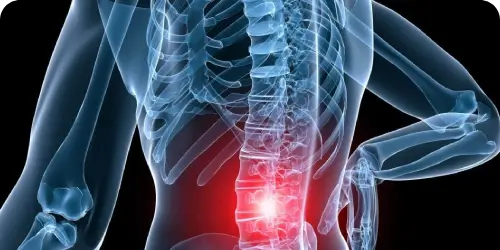
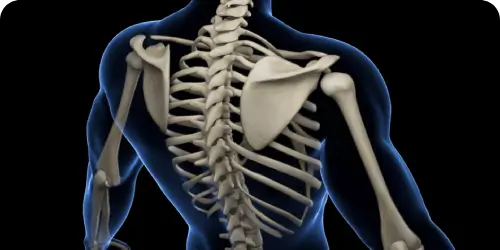
The term musculoskeletal refers to the body’s structural system of bones, joints, ligaments, muscles and connective tissue. Healing of musculoskeletal anatomy from injury or from aging related degeneration is often a slow process at best and at worse is characterized by anatomical compromise due to an incomplete healing response. This is due to the fact that much musculoskeletal anatomy, such as joints, ligaments and tendons, receives relatively little blood flow and therefore relatively less nutrients are delivered to the traumatized area in many cases. Also many musculoskeletal locations contain large amounts of nerve cells, increasing the probability of chronic pain subsequent to an incomplete healing response. Finally, any musculoskeletal component is supported by a tensiometric system of other related components, so that incomplete healing or disability in one area puts stress on other areas of the system, creating compensation injuries downstream. As a result, musculoskeletal pain and disability has become so common in today’s society that most people consider it to be an inevitable result of aging.
In the standard Western medicine approach to musculoskeletal pain, patients with injuries or degenerative conditions are first offered symptom control, usually through the use of Non-Steroidal Anti Inflammatory Drugs (NSAID’s) and are offered conventional methods of rehabilitation. In the common event that a musculoskeletal injury does not fully recover, patients may be offered surgery such as joint replacement or joint arthroscopy. Others are told that surgery cannot help and that there is nothing else to do; they are told that they must live with the pain, and are again offered various medications to mask symptoms. Surgery and long term medication are costly treatments that frequently fail to offer a long term cure to musculoskeletal pain and dysfunction.
Regenerative Medicine has arrived with an approach that brings an alternative of hope to the available treatment options in musculoskeletal disease. Regenerative medicine targets working with the body’s own innate healing response in order to alleviate chronic musculoskeletal pain and improve stability and function of chronically injured and dysfunctional joints, ligaments, and tendons. Regenerative Medicine’s approach to musculoskeletal disease is performed as a series of injections of natural, biologically active material, using ultrasound needle guidance when necessary, designed to turn on the body’s natural healing process in stagnated and chronically diseased musculoskeletal targets.

Chronic Myofascial Pain

Back Pain

Neck Pain

Osteoarthritis

Sports Injury

Rheumatoid Arthritis

Hip Pain

Neuropathy

Chronic Ligament Pain

Rotator Cuff Injury

Plantar Fasciitis

Ankle Sprains/Arthritis

Chronic Nerve Impingement

Ligament Inflammation & Laxity

Knee Arthritis & Meniscal Tears

Chronic Strain
These are just a few of the most common examples of treatment targets in musculoskeletal regenerative medicine at Hawaii Island Stem Cell Therapy and Regenerative Medicine.
Please contact us or schedule an appointment to see if regenerative musculoskeletal medicine at Hawaii Island Stem Cell Therapy and Regenerative Medicine is right for you.
 Platelet Rich Plasma (PRP) Therapy
Scroll to top
Platelet Rich Plasma (PRP) Therapy
Scroll to top