HAWAII ISLAND STEM CELL THERAPY AND REGENERATIVE MEDICINE

Which Regenerative Medicine Treatment Is Right for You?

Every approach we offer, grouped by the tissue it reaches — compare what each one involves, and what choosing it costs you.

Pahoa — primary clinicKailua-KonaMaui

Not All Regenerative Medicine Is the Same

There is no single regenerative medicine procedure. There is a family of related approaches that use different material, placed at different depths, for different reasons.

Which one fits depends on what is happening structurally, what you have already tried, and what your imaging shows. That last part matters most. Nearly every path here begins with someone looking at your scans rather than selling you a procedure.

Connective tissue heals slowly for a structural reason. Injure a muscle and it usually recovers well, because muscle has an excellent blood supply. Your joints, ligaments, and tendons do not — and the healing response can stall partway through.
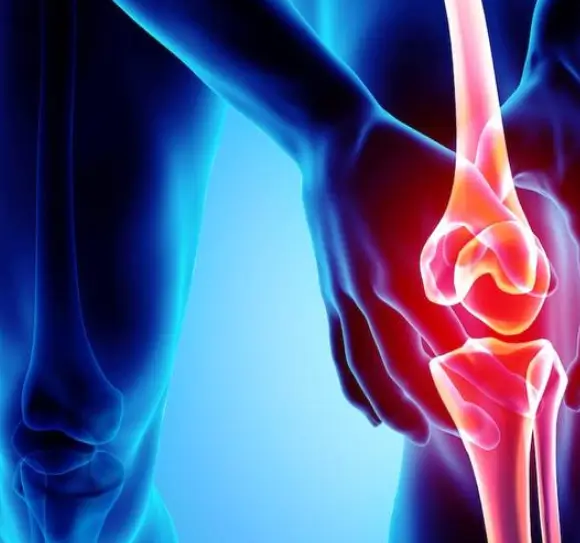
Different regenerative medicine treatment options based on structural issues and imaging findings

How Deep Each Approach Reaches

Different tissue sits at different depths, and each approach is designed to reach a particular layer. Every card below carries this gauge.

Subcutaneous
Just beneath the skin

Ligament Attachment
Where ligament meets bone

Tendon Body
Within the tendon itself

Joint Space
Inside the joint capsule

Bone Marrow
Deepest — harvest site

Joint, Tendon, and Ligament

Most people come here for this. Each approach below places biologically active material directly into hard-to-reach connective tissue, with the aim of restarting a repair process that has stalled.

★ Center of the practice

Next-Generation PRP

Your own platelets, processed further than most clinics take them.

Standard PRP concentrates platelets and stops there. This practice adds timed activation, filtration to remove cellular debris, and concentration of beneficial plasma proteins including alpha-2 macroglobulin.

Material
Your own blood
Collection
Draw at same visit
Course
Often 1, sometimes 2–3
Cost
$1,000 all-in
No collection needed

Regenerative Protein Arrays

A consistent signal that doesn’t depend on your age.

A concentrated matrix of over 300 verifiable cytokines, growth factors, and signaling proteins from ethically sourced placental and umbilical cord tissue. Entirely acellular — all living cells and DNA are removed in processing.

Material
Acellular protein matrix
Collection
None
Course
Varies
Supplier
Genesis Regenerative
From your own body

Autologous Allograft

Your own stem cells, from bone marrow or fat.

Mesenchymal stem cells drawn either from bone marrow by in-office aspiration under ultrasound guidance, or from adipose tissue using a modified liposuction technique with micro-filtration, then concentrated and placed precisely.

Material
Your marrow or fat
Collection
Yes — separate step
Course
Varies
Depth
Deepest offered
Off the shelf

Allogeneic Allograft

Donor tissue, with no collection step.

Umbilical cord tissue — the Wharton’s jelly portion — from donated live, healthy C-section births in the United States, processed in an FDA-registered, CGMP-certified laboratory and screened to accredited tissue bank standards.

Material
Donor cord tissue
Collection
None
Course
Varies
Single procedure

Barbotage

For calcific tendinitis, most often in the shoulder.

Under ultrasound guidance, Dr. Lawinski locates the calcium deposit on screen and breaks it into pieces small enough for your body to absorb. If it is soft enough, the area is flushed with saline and the fluid drawn back out.

Material
Saline flush
Collection
None
Duration
About 30 minutes
Anesthetic
Local

Back, Spine, And Nerve Pain

Musculoskeletal structures are densely supplied with nerve tissue, which is part of why pain can persist long after the original injury has settled. Pain that responds poorly to anti-inflammatories or cortisone is often neurogenic, originating in the nerve cells themselves.

Chronic back pain

Regenerative Medicine for Back Pain

When rest and time were not enough.

Acute back pain often settles with two to four weeks of rest. Pain lasting beyond three months may not resolve without help. Several approaches used here are applied to the spine, chosen according to what imaging shows and what has already been tried.

Approaches
PRP, prolozone, allograft
Collection
Depends on approach
Course
Varies
Least invasive option

Perineural Injection

Shallow injections along the path of the nerve.

Also called Neural Prolotherapy or the Lyftogt technique. A mildly alkaline solution of 5% dextrose or mannitol is placed just beneath the skin along affected nerves, using very small, short needles. Because the injections never enter a joint, most people tolerate them without local anesthetic.

Material
5% dextrose or mannitol
Collection
None
Course
5–8 visits, 1–2 wks apart
The founding technique

Prolotherapy & Prolozone

Named for proliferation — the oldest approach here.

A high-concentration dextrose solution with added vitamins is placed at specific ligament and tendon attachment points, creating a mild controlled irritation that raises local blood flow and nutrient delivery. Dr. Lawinski trained in the Prolozone variation with Dr. Frank Shallenberger in 2013.

Material
Concentrated dextrose
Collection
None
Course
Series of about 4

Cosmetic And Urogenital

Skin and scalp

Cosmetic Regenerative Medicine

The same principles, applied to skin and scalp.

Platelet-rich plasma drawn from your own blood can be placed beneath the skin. Umbilical allograft material is applied topically through microneedling, which opens fine channels in the skin surface so the material can reach the layers below.

Material
PRP or donor tissue
Collection
Depends on approach
Course
Varies
Men's health

Urogenital — Men

A physician appointment, not a walk-in clinic.

Most men who ask about this have already tried medication. The first appointment is a clinical conversation about whether an orthobiologic approach makes sense in your situation, using platelet-rich plasma prepared from your own blood. Nothing is scheduled the same day.

Material
PRP from your blood
Collection
Draw at same visit
First step
Consultation first
Women's health

Urogenital — Women

Time built into the appointment, so nothing is rushed.

This is the part of the practice people are least likely to raise first. Appointments are scheduled with extra time so questions are answered rather than deferred, and either platelet-rich plasma or donor-derived allograft material may be discussed depending on your circumstances.

Material
PRP or donor tissue
Collection
Depends on approach
First step
Consultation first

Comparison Table

ApproachMaterialCollection stepTypical course
Next-Generation PRPYour own blood, activated and filteredYes — same visitOften 1; sometimes 2–3
Regenerative Protein ArrayAcellular donor protein matrixNoneVaries
Autologous AllograftYour own bone marrow or adipose tissueYes — separate stepVaries
Allogeneic AllograftDonor umbilical cord tissueNoneVaries
BarbotageSaline flush — no biologic materialNoneSingle, about 30 min
Perineural Injection5% dextrose or mannitolNone5–8, spaced 1–2 weeks
Prolotherapy & ProlozoneHigh-concentration dextroseNoneSeries of about 4

Course length varies considerably between patients and between situations. Individual results vary, and no outcome can be guaranteed.

Not Sure Which of These Applies to You?

Most people reaching this page are not choosing between procedures. They are trying to find out whether any of this applies to them at all.

Send your existing imaging and radiology reports. Dr. Lawinski will review them personally, at no charge, and tell you whether regenerative medicine is worth discussing in your case. Transmission is HIPAA-compliant, and reports can also be sent by CD, hard copy, or hard drive.

Initial evaluation — $150. Runs up to an hour, includes a written treatment plan and cost estimate, and is credited toward the cost of your first treatment.

Where We See Patients

PRIMARY CLINIC

Pahoa

15-3039 Pahoa Village Road, at the Vitality Integrative Medicine Clinic. About 45 minutes southeast of Hilo Airport.

SATELLITE

Kailua-Kona

Downtown Kailua-Kona.

SATELLITE

Maui

Serving patients travelling from across Maui County.

Frequently Asked Questions

Send your existing imaging and radiology reports for a free review, or book an initial evaluation. Not everyone is a good candidate, and it is better for everyone that this is settled before anything is scheduled.

$150. It runs up to an hour, includes a written treatment plan and cost estimate, and is credited toward the cost of your first treatment.

At this time, insurance does not cover the professional services offered here.

From thirty minutes up to several hours, depending on the approach and the situation being addressed.

Preparation varies by approach. Some call for fasting up to six hours beforehand; others require no fasting at all. In all cases, avoid platelet-inhibiting medications, including NSAIDs, for at least two weeks before a procedure and at least four weeks afterward.

Orthobiologic approaches generally require fewer — sometimes one, sometimes two or three. Prolotherapy and prolozone average a series of about four. Perineural injection usually runs 5–8 treatments spaced one to two weeks apart.

Because the intent is to engage your own healing response rather than suppress a symptom, changes generally develop over months rather than days. The body continues remodeling for up to six months after a full course, which is when candidacy for any further series is typically reassessed.

Not for every approach — perineural injections are superficial by design. For joint, tendon, and ligament work, ultrasound guidance is how placement precision is achieved and verified.

The primary clinic is in Pahoa, with satellite clinics in Kailua-Kona and on Maui.

Quick Links

Treatments

Contact Us

  • 15-3039 Pahoa Village Rd Pahoa, Hawaii 96778 United States

Nothing on this page should be construed as a claim of medical effectiveness for any indication. This information is provided for educational purposes only and is not a substitute for professional medical advice, diagnosis, or treatment. Individual results vary based on each patient’s condition and health history, and no specific outcome is guaranteed. Please consult with Dr. Lawinski or another qualified physician to discuss whether this therapy is appropriate for you. Some therapies discussed on this website are investigational or have not been approved by the FDA for the uses discussed. Availability of an investigational product, where applicable, is governed by the relevant research and FDA regulatory requirements. No treatment discussed here is represented as proven safe or effective.

© 2026 Stem Cell Hawaii. All rights reserved