
Recovering in Paradise: Sun Safety After Plastic Surgery
Having plastic surgery on your face or neck is a major decision—one that brings renewed confidence and improved appearance. But for some patients, the promise of facial rejuvenation may be accompanied by a looming hazard: the sun.
With its powerful ultraviolet (UV) rays, the sun can affect the healing process and the final appearance of surgical scars, many of which should become invisible. Therefore, if you’re recovering from facial or neck plastic surgery, understanding sun safety is not just helpful—it’s essential.
This guide will take you through why sun protection matters, the best ways to safeguard your scars, and answer your most pressing post-op questions.
Why Is Sun Protection Important After Surgery?
Your skin is most vulnerable shortly after surgery. Incisions—no matter how expertly closed—create a temporary weak spot in the skin’s barrier. In the weeks and months following your procedure, the healing skin is more sensitive to UV damage. Here’s why you need to be extra cautious:
- Hyperpigmentation Risk: Exposing healing scars to the sun can cause them to darken, resulting in long-term discoloration.
- Thicker, Raised Scars: Too much UV exposure can trigger more inflammation, increasing the risk of hypertrophic or keloid scars.
- Delayed Healing: Sunburn or repeated irritation slows down the natural healing process, putting your surgical results at risk.
The bottom line? Protecting your scars from the sun is one of the easiest—and most effective—ways to assure optimal healing and beautiful results.
Top Tips for Sun Safety Post-Op
- Stay Out of Direct Sunlight: For at least the first 4–6 weeks post-op, plastic surgeons advise their patients to avoid sun exposure as much as possible. If you must go outside, do so early in the morning or late in the afternoon when UV rays are weakest.
- Physical Barriers Are Your Closest Ally: Wide-brimmed hats, scarves, and UV-protective clothing can shield your face and neck from direct rays. Physical barriers are especially important when your incisions are still fresh.
- Use the Right Sunscreen: Once your incisions have fully closed (typically after 2–3 weeks, or as advised by your surgeon), start using a broad-spectrum sunscreen. Look for formulas containing zinc oxide or titanium dioxide—these mineral sunscreens are gentle, non-irritating, and provide a physical barrier to both UVA and UVB rays.
- Be Mindful of SPF: Look for SPF 30 sunscreen or higher. Reapply every two hours, or more frequently if sweating or swimming.
- Embrace Silicone Sheets and Gels: These products not only help flatten and fade scars but also supply an additional protective layer from the elements, including sunlight. Use silicone products as directed by your surgeon.
- Absolutely Avoid Tanning Beds: Artificial UV sources can be just as damaging as the sun. Steer clear of tanning beds entirely during your recovery.
- Monitor Your Healing: Check your incisions regularly for signs of redness, darkening, or irritation. If you notice any unusual changes, contact your surgeon promptly.
How to Choose a Safe Sunscreen for Healing Incisions
 Not all sunscreens are created equal, especially for post-operative skin. Here’s what to look for:
- Mineral-based ingredients: Zinc oxide and titanium dioxide are less likely to irritate sensitive skin.
- Fragrance-free and hypoallergenic: Reduces the risk of allergic reactions or contact dermatitis.
- Non-comedogenic: Won’t clog pores, which is important for facial healing.
- No harsh alcohols or preservatives: These can dry out or irritate delicate, healing skin.
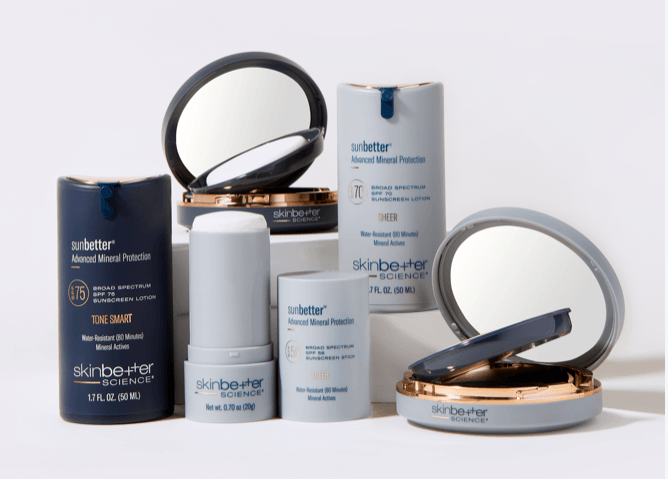
Ask your surgeon for product recommendations, such as Sunbetter Skincare by Skinbetter Science or ZO® Skin Health Suncreen & SPF Products, if you’re unsure. Patch test any new sunscreen on a small area before applying more broadly.
Scar Care: Beyond Sun Protection
While sun safety is vital, proper scar care also involves:
- Keeping incisions clean and moisturized
- Using recommended scar creams or silicone products
- Avoid picking or scratching the area
- Following all post-op instructions from your surgical team
Consistency matters most. The more routinely you care for your scars, the better your long-term results will be.
Protect Scars from the Sun and Heal Beautifully

Recovering from facial or neck plastic surgery is an investment in yourself, toward a more youthful and refreshed appearance. With a bit of planning and the right sun safety habits, you can enjoy life in a sunny, tropical area like Oahu without worry—knowing you’re protecting your health and your results.
Always follow your surgeon’s post-op instructions, prioritize physical sun protection, and choose gentle, effective skincare products. Your future self is going to thank you.
Need information about protecting scars from the sun or about plastic surgery procedures? Contact Hawaii Facial Plastic Surgery at (808) 636-9084 to schedule a consultation. Our services include cosmetic surgery of the face and neck.
Frequently Asked Questions
Q.1 How long do I need to protect my scars from the sun?
A.1. Scars can remain sensitive to UV damage for up to a year after surgery. It’s best to use extra sun protection as long as you notice any redness or color difference in the scar.
Q.2. Will my scar completely disappear if I protect it from the sun?
A.2. While good sun protection and excellent surgical techniques make scars much less noticeable, some degree of visible scarring may be natural. Your goal should be to help the scar mature to its best possible appearance.
Q.3. How soon after surgery can I use sunscreen on my incisions?
A.3. Wait until your incisions are fully closed and there are no open wounds—usually at least 2–3 weeks, but always defer to your surgeon’s advice. Before that, rely on physical barriers.
Q.4. What SPF level is best for healing scars?
A.4. SPF 30 or higher is recommended. Broad-spectrum (UVA and UVB protection) coverage is essential.
Q.5. Can I use makeup with SPF instead of sunscreen?
A.5. While makeup with SPF offers some protection, it’s usually not enough for post-op skin. Use a dedicated sunscreen under your makeup for full coverage.