
Botox® Injections for Underarm Hyperhidrosis: A Complete Guide
Sweating is a natural and essential bodily function, helping regulate temperature and remove toxins. However, for many people in Hawaii, sweating isn’t simply a response to tropical heat or exertion—it’s an ongoing, uncontrollable issue known as hyperhidrosis. The excessive sweating it causes can be physically uncomfortable, emotionally distressing, and socially isolating.
One of the most effective and increasingly popular treatments for underarm (axillary) hyperhidrosis is Botox® injections. In this article, we’ll explore what hyperhidrosis is, how Botox works to treat it, what to expect from the procedure, and answer common questions at the end.
What is Hyperhidrosis?
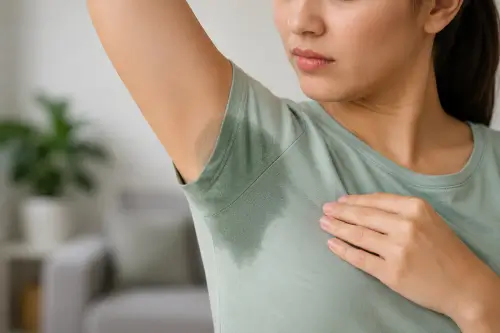
Hyperhidrosis is a condition that causes excessive sweating beyond what is needed for regulating your body temperature. While it can affect various body parts—such as the palms, soles, face, and groin—underarm hyperhidrosis is one of the most common and troublesome forms. The sweating can occur even in cool environments or without any physical activity.
Excessive Sweating’s Impact on Daily Life
People with excessive underarm sweating often find that their condition interferes with daily activities, leading to:
- Stained clothing
- Social embarrassment
- Anxiety and self-consciousness
- Avoidance of certain situations or clothing
- Difficulty with professional or personal interactions
While antiperspirants and lifestyle changes help some people, many require more advanced solutions.
Botox: How Does It Work for Sweating?
Botox, or botulinum toxin type A, is most commonly associated with cosmetic wrinkle reduction. However, it has a long history of medical uses, including treatment for migraines, muscle spasms, and, notably, excessive underarm sweating caused by hyperhidrosis.
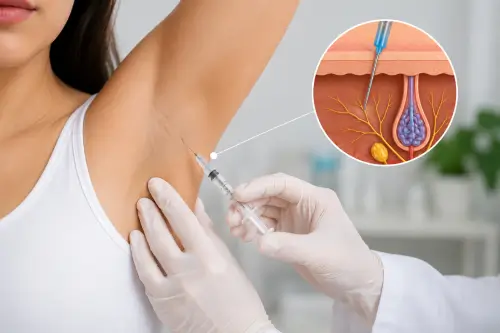
What It Does: Botox works by blocking the nerve signals that activate sweat glands. When injected into the underarm area, it temporarily paralyzes the nerves responsible for triggering sweat production. The result is a significant reduction in sweating in the treated area.
Effectiveness: Clinical studies have shown that Botox can decrease underarm sweating by up to 82-87%. Most patients experience results within a few days, with peak dryness reached within two weeks. The effects typically last about six months, after which the treatment can be repeated.
The Procedure: What to Expect
Preparation
- Consultation: Your doctor will take your medical history and ensure Botox is suitable for you.
- Preparation: The area is cleaned and sometimes marked to guide injection sites.
- Anesthesia: Most people tolerate the procedure well, but a topical numbing cream or ice may be used to reduce discomfort.
The Injection Process
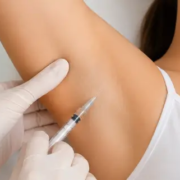
- The doctor injects small amounts of Botox just under the skin in a grid-like pattern across the underarm area.
- The procedure takes about 10–20 minutes per underarm.
Recovery and Aftercare
- There’s minimal downtime. Most people return to normal activities immediately.
- Avoid vigorous exercise or hot environments for 24 hours.
- Side effects are rare but may include mild bruising, tenderness, or swelling at the injection sites.
Who is a Candidate for Botox for Excessive Sweating?

Botox is generally recommended for adults with excessive underarm sweating who have not responded well to topical antiperspirants or other non-surgical treatments. It’s not suitable for those with certain neuromuscular disorders, allergies to botulinum toxin, or active skin infections in the treatment area.
A consultation with a qualified medical professional is essential to determine if you’re a good candidate.
Benefits and Risks
Benefits
- Dramatic reduction in sweating
- Improved quality of life
- Quick, minimally invasive procedure
- Little to no downtime
- Temporary but repeatable treatment
Risks
- Temporary muscle weakness near the treated area
- Mild pain, bruising, or swelling
- Rare allergic reactions
- Need for repeated treatments (effects are not permanent)
Cost and Insurance
The cost of Botox for underarm hyperhidrosis varies widely depending on your location, the provider’s experience, and the number of units required. On average, treatment costs may range from $1,000 to $1,500 for both underarms per session.
Some insurance plans may cover the procedure if it is deemed medically necessary and other treatments have failed. Always check with your insurer and healthcare provider.
Treating Hyperhidrosis: A Range of Options
While Botox provides considerable relief for many, it’s just one option. Other treatments include:
- Prescription-strength antiperspirants
- Oral medications (anticholinergics)
- Iontophoresis (a device that uses electrical currents)
- Microwave therapy (MiraDry)
- Surgical options (sympathectomy or sweat gland removal)
A holistic approach, often combining multiple strategies, can help control symptoms most effectively.
Excessive Sweating Can be Reduced with Botox
Botox injections have changed the management of underarm hyperhidrosis, delivering relief from excessive sweating and its emotional and social consequences.
If you struggle with excessive underarm sweating, talk to your healthcare provider to discuss whether Botox or other treatments might be right for you. Life doesn’t have to be ruled by sweat—effective solutions are available.
In Honolulu, Dr. Susan Tan at Hawaii Facial Plastic Surgery is one of the leading providers of Botox injections. Contact her office at (808) 636-9084 to schedule a consultation.
Frequently Asked Questions
Q.1 How long does a Botox treatment session for excessive sweating take?
A.1. The procedure usually takes about 20–30 minutes in total, including preparation.
Q.2. When will I notice less underarm sweating?
A.2. Most patients see a reduction in sweating within 2–7 days, with full effects in two weeks.
Q.3. How long do the results last?
A.3. On average, results last about six months, but this can vary by individual.
Q.4. Is the procedure painful?
A.4. Most people experience only mild discomfort, likened to tiny pinpricks. Numbing creams or ice can be used.
Q.5. Are there any side effects?
A.5. Side effects are usually mild and temporary, such as bruising or swelling at the injection site.
Q.6. Will stopping sweating in my underarms make me sweat more elsewhere?
A.6. There is no strong evidence that compensatory sweating occurs in other areas after Botox in the underarms.
Q.7. Can I exercise after the procedure?
A.7. It’s best to avoid strenuous exercise and hot environments for 24 hours post-treatment.
Q.8. Is Botox safe for long-term use?
A.8. Botox has been used for many years and is considered safe when administered by a qualified professional. Repeated treatments have not been shown to cause lasting harm.