
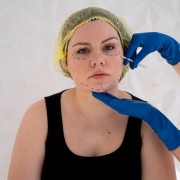
Facial Fat Grafting vs. Dermal Fillers
How Do You Decide Which is Best?
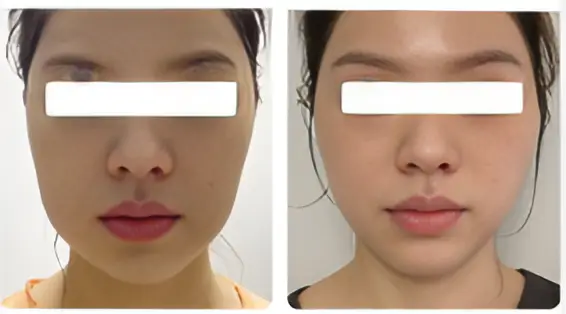
With facial rejuvenation a topic of interest for many people, it’s natural that questions about two of the most popular procedures—facial fat grafting and dermal fillers—would be on people’s minds. Both can improve facial contours, smooth wrinkles, and restore lost volume.
But how do you decide which treatment is best for you? In this article, we’ll look at the differences, benefits, drawbacks, and frequently asked questions about facial fat grafting and dermal fillers.
Understanding Facial Fat Grafting
Facial fat grafting, or fat transferring, removes fat from one part of your body where you don’t want it (typically the abdomen, thighs, or love handles) and injects it into areas of the face that need volume. The procedure is performed under local or general anesthesia and can be done alone or in combination with other facial procedures.
Benefits of Facial Fat Grafting:
- Uses your body’s natural tissue; less risk of an allergic reaction
- Longer-lasting than fillers; often permanent results
- Known for improving skin texture and quality
- Natural-looking outcomes
Drawbacks of Facial Fat Grafting:
- Requires a minor surgical procedure
- Some of the transferred fat may not survive, requiring touch-ups
- Longer recovery time compared to fillers
- Results can be less predictable
Understanding Dermal Fillers
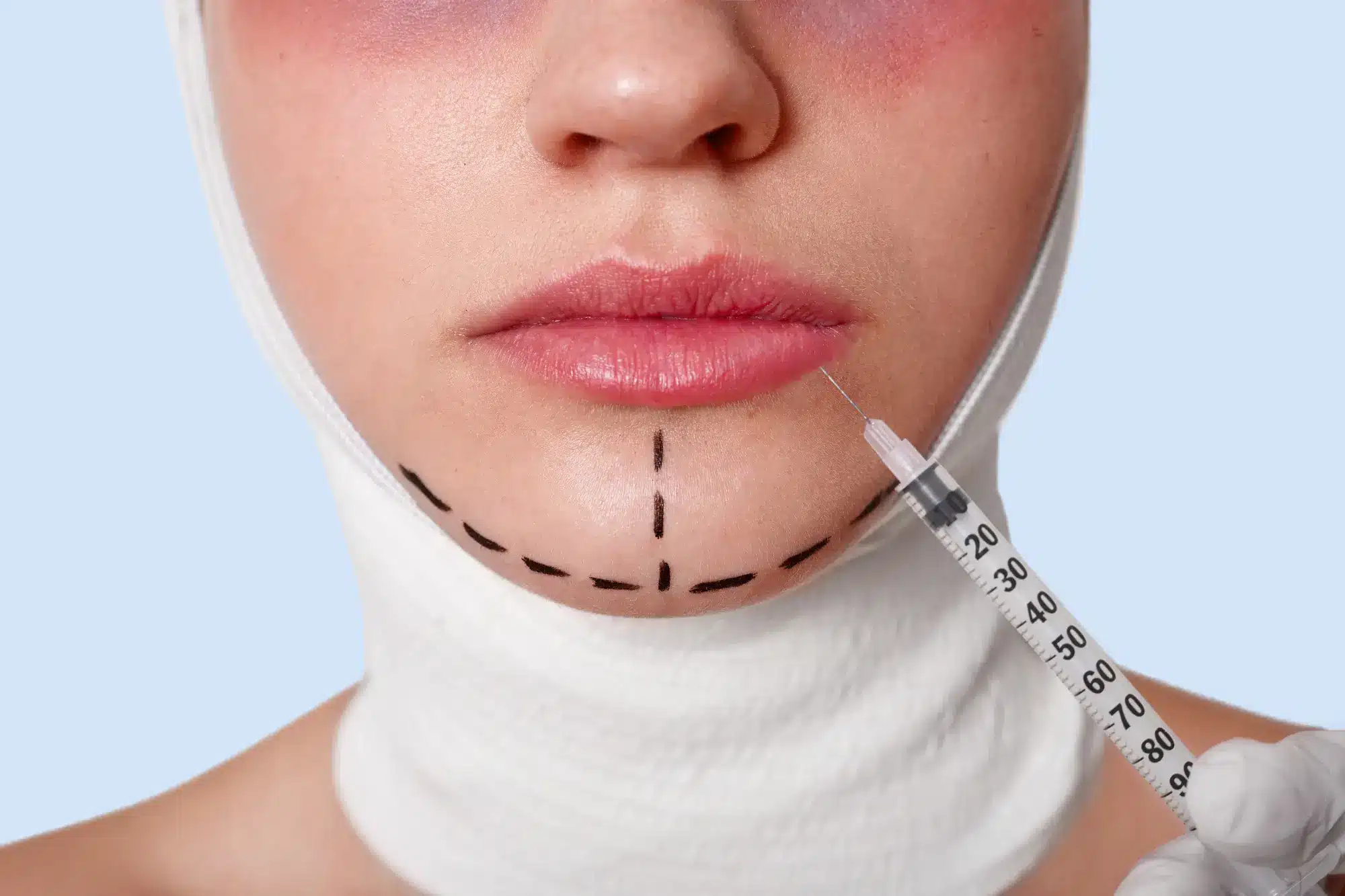
Dermal fillers are injectable substances (such as hyaluronic acid, calcium hydroxylapatite, or poly-L-lactic acid) used to add volume, smooth lines, and improve facial contours. Treatments are performed in-office with minimal recovery time.
Benefits of Dermal Fillers:
- Quick, minimally invasive cosmetic treatment
- Immediate results
- Little or no downtime
- Highly customizable
Drawbacks of Dermal Fillers:
- Temporary results (typically 6–18 months)
- Potential for allergic reactions (rare)
- May require regular maintenance treatments
- Not suitable for large volume replacement
Comparing the Two: Which is Best for You?
The best treatment depends on your goals, body, lifestyle, and preferences. Here are some factors to consider:
- How Long They Last: Fat grafting is generally longer-lasting, while dermal filler injections are temporary.
- How Natural They Look: Fat grafting uses your own tissue for a natural feel and look. In the hands of a qualified and experienced injector, fillers can also produce natural results, but some people prefer more natural materials.
- The Downtime After Treatment: Dermal fillers offer a quick recovery, while grafting may require several days of downtime.
- How Much Volume You Need to Add: Fat grafting is ideal for larger volume restoration, whereas fillers work well for targeted areas and minor corrections.
- Your Budget: While grafting is costlier upfront, it may be more economical over time. Fillers have lower per-treatment costs but require ongoing maintenance.
Who is a Good Candidate?
Facial Fat Grafting
- People seeking more permanent volume restoration
- Those who have areas of excess fat elsewhere on the body
- Patients comfortable with minor surgery and the recovery time
Dermal Fillers
- People wanting immediate results with minimal downtime
- Those looking for minor enhancements that are more temporary
- Patients not ready for surgery
The Initial Consultation: What to Expect
A consultation with a board-certified plastic surgeon, such as Susan Tan, MD, founder and medical director of Hawaii Facial Plastic Surgery, is essential. She will assess your facial anatomy, discuss your goals, review your medical history, and recommend the best option for your needs.
Aftercare and When the Results Show
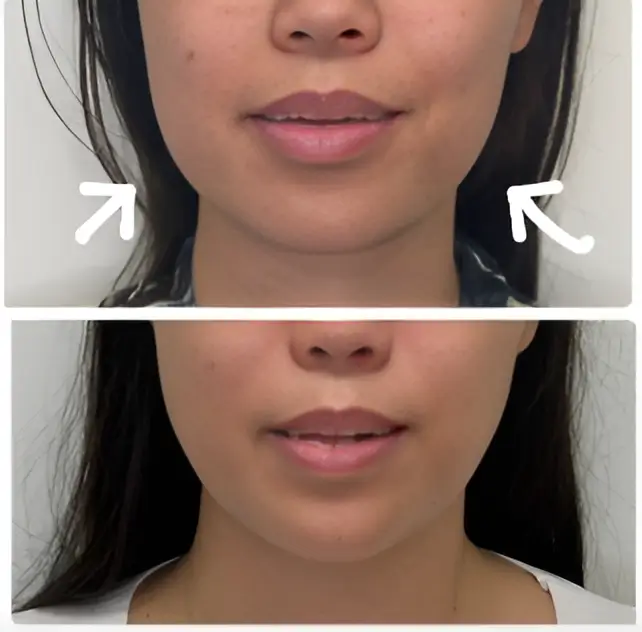
After Fat Grafting: Expect swelling, bruising, and mild discomfort for 1–2 weeks. Most patients see improvements once the swelling subsides, and results can last for years. Some fat may be reabsorbed, so touch-ups may be necessary, depending on your body.
After Fillers: Mild swelling or bruising may occur, but most people resume normal activities immediately. Results are visible right away and last several months to over a year, depending on the product used.
Risks and Safety
Both procedures are generally safe when performed by experienced providers. Risks include infection, asymmetry, lumps or irregularities, and allergic reactions (rare with injectable fillers, very rare with fat grafting). Always choose a qualified practitioner for maximum safety and results.
Ready to Meet the Doctor and Get Started?
Facial fat grafting and injectable dermal fillers are both excellent options for facial rejuvenation, each with its own advantages.
Understanding the differences and meeting with a qualified provider will help you make the best choice for your goals. Whether you want immediate, subtle changes or long-lasting, natural volume restoration, there’s a treatment that’s right for you.
Frequently Asked Questions
Q.1 How do the costs compare?
A. Fat grafting is a surgical procedure that brings longer-lasting results and costs more. Injections with dermal fillers are nearly always less expensive, but they do not last as long, and there is a cost for subsequent touch-up visits.
Q.2. Can fat grafting and fillers be combined?
A.2. Yes. Some patients benefit from a combination approach—using grafting for foundational volume and fillers for fine-tuning or targeted areas.
Q.3. How long do I have to wait to see the final results?
A.3. Fillers provide instant volume, though some swelling may occur. Grafting results occur over weeks as swelling subsides and the transferred fat settles.
Q.4. Is one treatment more painful than the other?
A.4. Fillers are typically less painful, as they require only small injections. Grafting involves liposuction and injections, so there is more discomfort and downtime.
Q.5. Can either treatment address deep wrinkles?
A.5. Both can improve wrinkles, but deeper folds may require a combination of treatments or additional procedures, such as laser resurfacing.
Q.6. How do I choose the right provider?
A.6. Look for board-certified plastic surgeons or dermatologists with extensive knowledge of facial anatomy and experience in facial rejuvenation. Ask to see before-and-after photos and clearly discuss your goals.