
Tag Archive for: facial plastic surgery

Posts

The Rise of Natural-Looking Facial Rejuvenation

Embracing Subtle Beauty vs. the “Overdone Look”
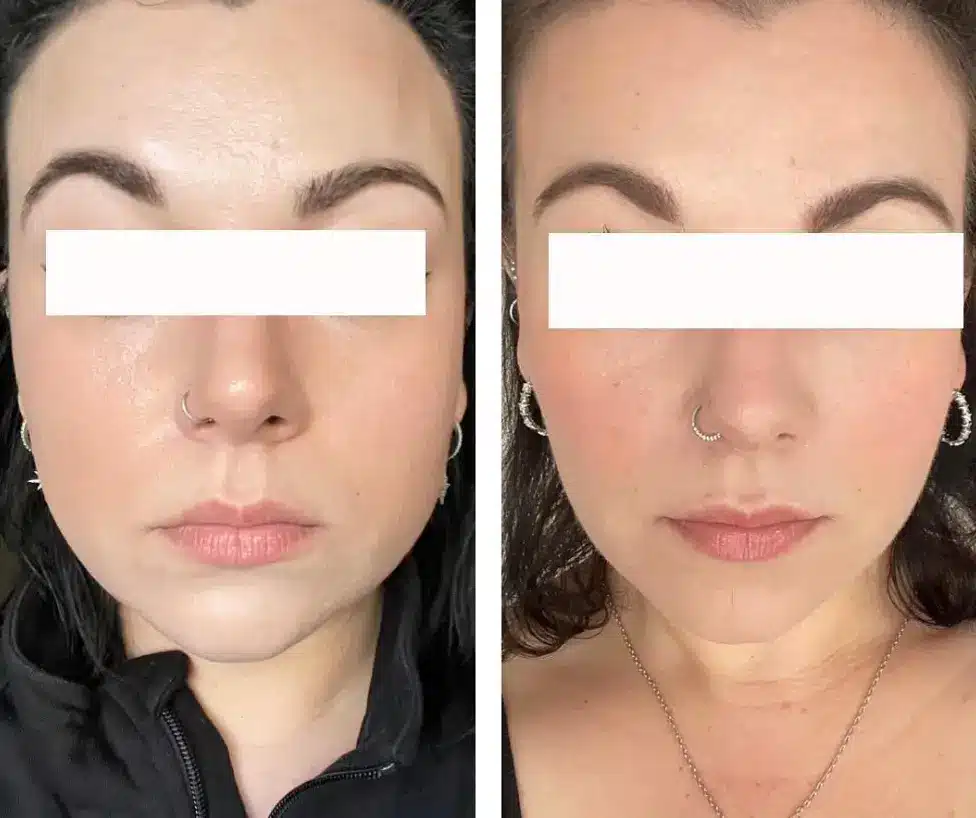
Before and after showcasing subtle, natural facial rejuvenation and lifting that results in balanced features. Procedure performed at Hawaii Facial Plastic Surgery.

In recent years, the plastic surgery and cosmetic treatment worlds have seen a dramatic shift in patient preferences and practitioner philosophies. Gone are the days when people admired the noticeably sculpted cheeks, plumped lips, and airbrushed skin that represented the so-called “overdone look.”

Today, both facial plastic surgery and non-surgical cosmetic treatments are trending toward realistic, natural-looking facial rejuvenation—a movement that celebrates subtlety, authenticity, and the augmentation of one’s unique features.

The Evolution of Today’s Cosmetic Trends

For much of the late 20th and early 21st centuries, Hollywood and social media set beauty standards that were often unattainable without major intervention. The prior hallmarks of “beauty” led many to desire dramatic transformations.

  • High-arched brows
  • Puffy, exaggerated lips
  • Flawlessly smooth skin

As aesthetic medicine and cosmetology have advanced, so has our appreciation of facial harmony and the value of individual uniqueness. The rise of influencers who champion self-acceptance, coupled with a cultural backlash against obviously altered appearances, triggered a new era.

Today, the most sought-after improvements are those which whisper rather than shout, turning the focus to refreshed, rested, and naturally youthful faces.

What Does “Natural-Looking” Mean?
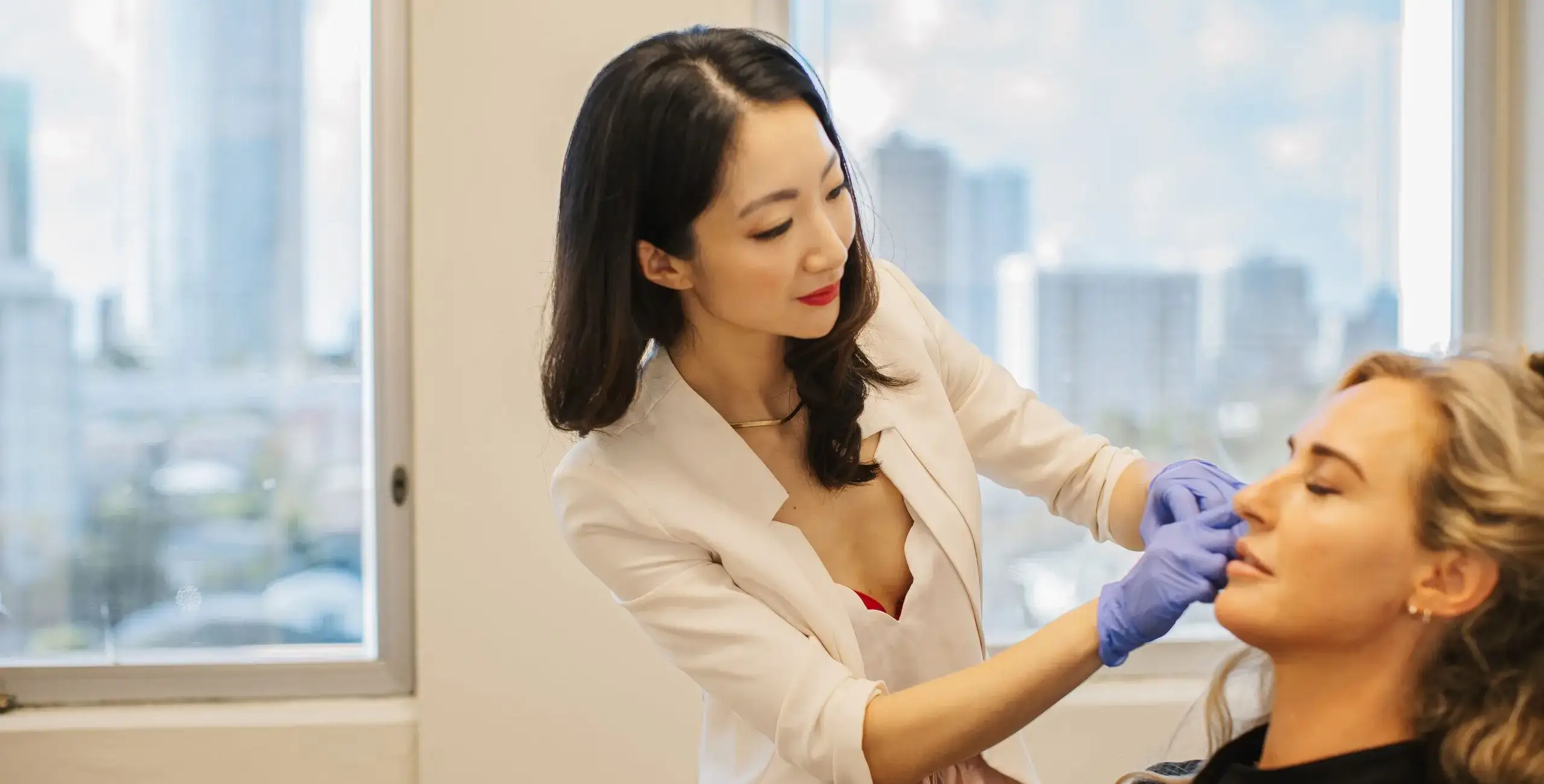
Dr Susan Tan, a double board certified female plastic surgeon in Honolulu, discusses facial rejuvenation options for natural-looking results.

At Hawaii Facial Plastic Surgery, our founder and medical director, Susan Tan, MD, is an outspoken proponent of natural-looking facial rejuvenation. It involves procedures—surgical and non-surgical—that improve appearance without giving obvious signs of intervention. This approach concentrates on:

  • Proportion and Symmetry: Enhancing features so they complement the existing facial structure.
  • Subtlety and Restraint: Using techniques that avoid overcorrection, leaving room for natural movement and expression.
  • Longevity: Focusing on treatments that age gracefully, lessening the requirement for frequent maintenance or drastic revisions.

Facial Plastic Surgery: Less is More

The most sought-after and influential plastic surgeons are increasingly recommending more advanced, less invasive surgical techniques. Facelifts, for example, have evolved from tight, stretched results to innovative procedures like the deep-plane technique, which lifts and repositions tissue with finesse.

Cosmetic surgeons today often preserve volume rather than removing it entirely, recognizing that a youthful face is defined by softness, not skin tautness alone.

Other surgical options, such as neck lifts, eyelid surgery (blepharoplasty), and nose surgery (rhinoplasty), are also performed to complement the patient’s natural facial anatomy. The best surgical work is often invisible—a refreshed appearance that prompts compliments like “You look great!” instead of “Have you had work done?”

Today’s Boom in Non-Surgical Options
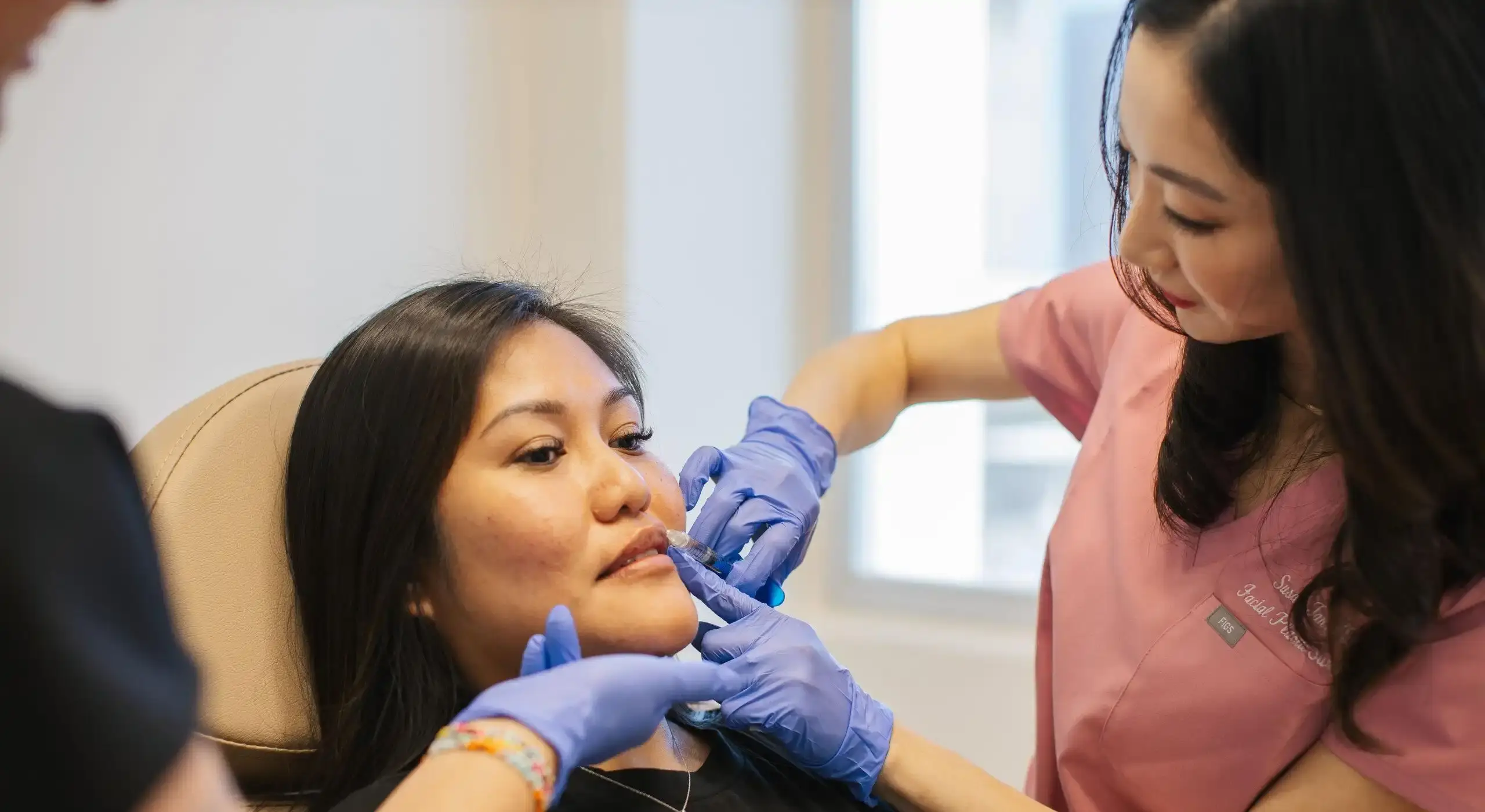
Dr Susan Tan injects dermal fillers as part of a non-surgical facial treatment to increase lip volume.

Today, it’s possible to address issues such as volume loss, fine lines, and uneven skin tone without surgery. The key to natural outcomes lies in conservative application.

Non-surgical cosmetic treatments have exploded in popularity, offering minimal downtime and results that can be tailored precisely.

What Caused the Change in Preferences?

The movement toward natural-looking plastic surgery and non-surgical cosmetic treatments is more than a short-lived trend—it’s connected to wider cultural changes. Consumers are more aware and thoughtful, seeking treatments that correspond with their values and personal identities.

An avalanche of “before and after” photos routinely posted online showcase beautiful results and undetectable changes, along with candid patient testimonials. They have destigmatized cosmetic procedures while raising the bar for what is considered desirable.

Also, the global conversation about mental health and self-esteem has encouraged people to view cosmetic procedures as a means of self-care, not transformation. The happiest outcomes are those that help people feel like the best version of themselves—not someone else entirely.

Why Choosing the Right Provider Matters

Achieving a natural look through surgical or cosmetic procedures requires a partnership with a skilled, ethical provider. Look for doctors and cosmetologists who:

  • Understand facial anatomy and have experience.
  • Listen carefully to your goals and concerns.
  • Offer a full consultation, including discussion of risks and realistic outcomes.
  • Can show you images of their subtle, well-executed results.
  • Put your comfort and well-being first.

The Natural Look Brings Out Your Beauty
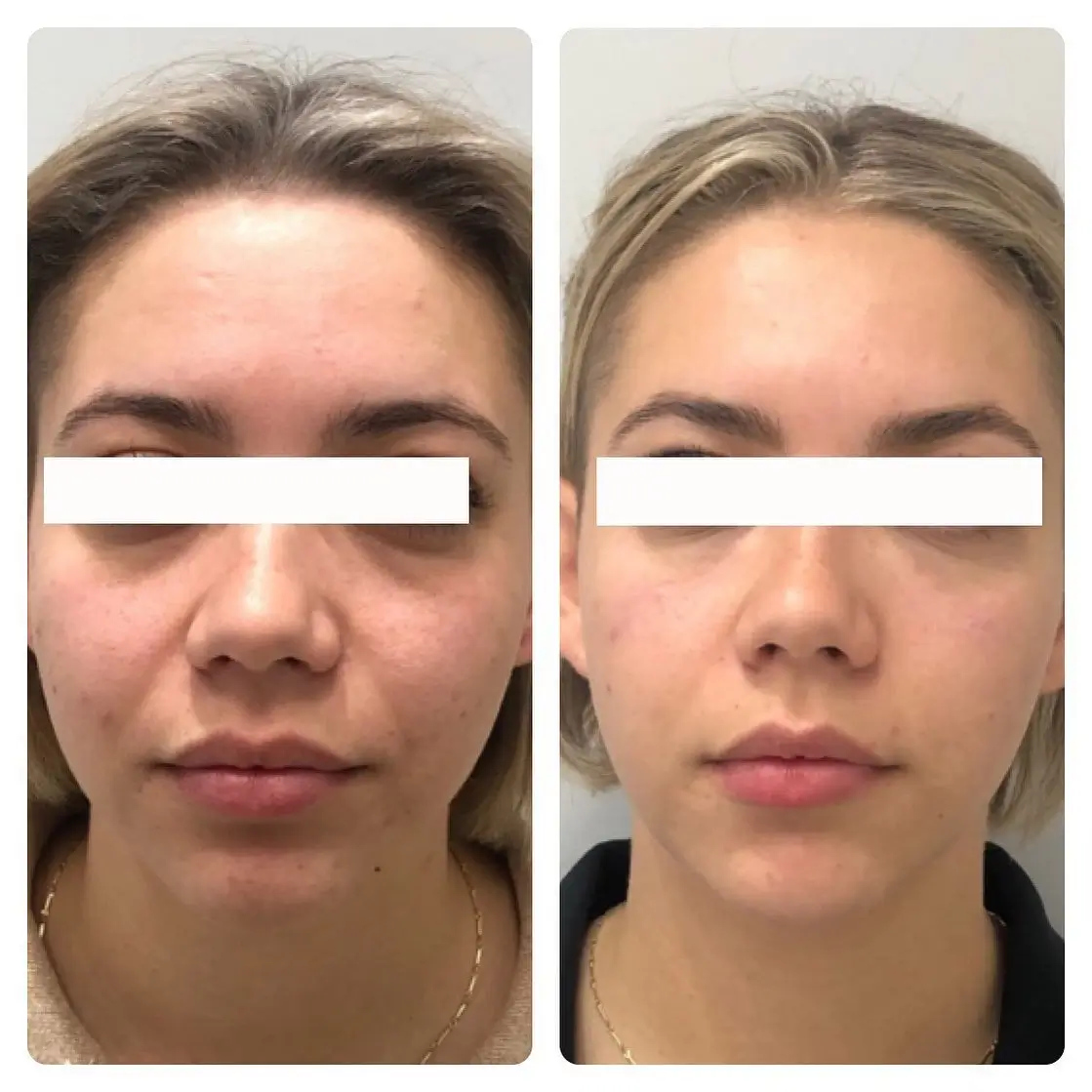
Hawaii Facial Plastic Surgery before and after display how natural-looking facial rejuvenation can enhance aesthetics without creating an overdone look.

Whether your goals are best met by facial plastic surgery or non-surgical cosmetic treatments, today’s trends favor more subtle, natural-looking results that bring out your unique beauty. The “overdone look” is more a thing of the past, and the era of natural-looking facial rejuvenation is here to stay.

Today’s vision of beauty enables you to celebrate your individual beauty while enjoying the benefits of modern cosmetic medicine and its non-surgical alternatives.

Frequently Asked Questions

A.Inquire about the provider’s experience with natural results, request to see before-and-after photos, and discuss what “natural” means to you. Be upfront about your goals, and listen for a provider who leads you to realistic expectations.

A.2. Yes, when performed by a doctor or other skilled practitioner, non-surgical treatments may produce excellent results. They may subtly enhance features and refresh your appearance, often with little to no downtime.

A.3. Try conservative treatments first, and seek professionals who are known for subtle, natural-looking results. Remember, sometimes less is more.

A.4. In many cases, yes. For example, dermal fillers can often be dissolved, and some surgical outcomes can be revised. Consult with a board-certified facial plastic surgeon with a strong grasp of facial anatomy and experience in revision procedures.
What Patients Over 50 Should Know Before a Facelift

How to Thoughtfully Weigh the Options Before Deciding

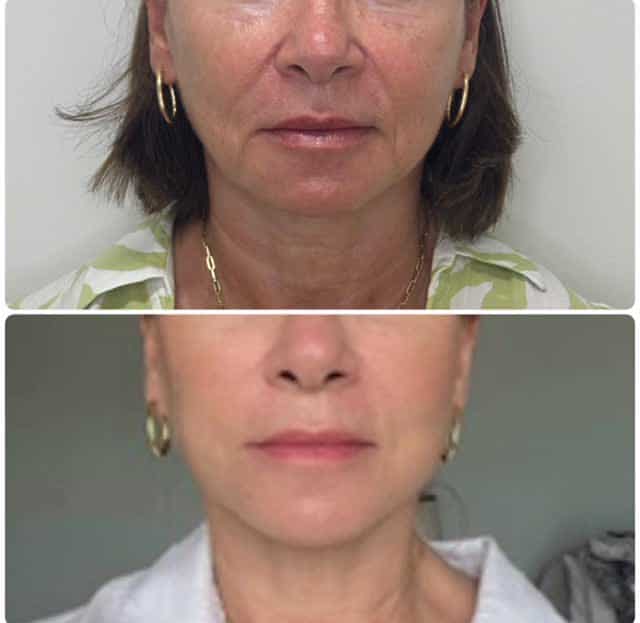
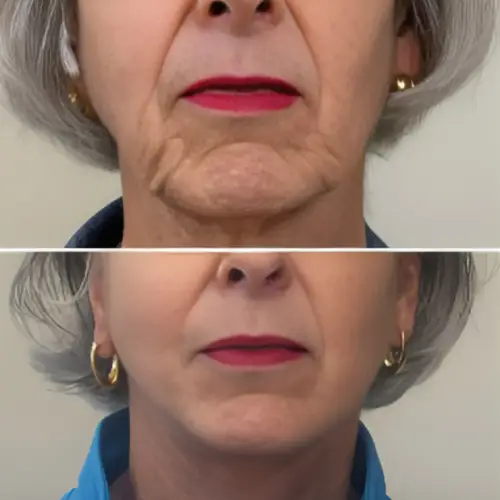
Before and after facelift results for a woman over 50, showcasing a rejuvenated jawline and neck lift contouring in Hawaii.

Aging is inevitable for all of us, but for some people, the telltale signs that come with it can affect self-confidence. Facelifts, also known as rhytidectomies, have become a popular solution for people seeking to renew their appearance and address:

  • Sagging skin
  • Deep wrinkles
  • Loss of facial volume

If you’re over 50 and considering a facelift, it’s important to learn more about your options. This article will walk you through many of the things you need to know before deciding what’s right for you.

How It Works: The Facelift Procedure

Most people have a general understanding of what a facelift accomplishes, but learning more about the procedure itself is helpful.

Facelifts are surgical procedures that reduce visible signs of aging in the face and neck. When you have one, a plastic surgeon removes excess skin, tightens the underlying tissue, and repositions your facial contours.

The result is a more youthful look, but the trick is to produce natural-looking results that avoid looking like you’ve “had work done.” Modern techniques have advanced considerably, offering more natural results with less downtime than ever before.

The 4 Types of Face and Neck Lifts

Your surgeon will recommend the best technique based on your anatomy, goals, and medical history.

  1. Traditional/SMAS Facelift: The traditional surgical approach to improve sagging in the lower face and neck; it lifts deeper tissue layers for longer-lasting results
  2. Deep Plane Facelift: A specialized and more advanced procedure that moves underlying muscles and tissue as a single unit, repositioning them for natural and dramatic results
  3. Mini Facelift: A less invasive option for those who want to gently improve the lower face and jawline, with a shorter recovery time
  4. Neck Lift: Many older people who undergo facelifts are also candidates for a neck lift; it improves the neck’s contours to complement a facelift

Are You a Good Candidate?

Many people over 50 can gain substantially from improving their appearance with a facelift that reverses age-related changes such as sagging and wrinkles.

Ideal candidates:

  • Are in good health generally
  • Are realistic and have clear goals
  • Have noticeable skin laxity or sagging
  • Will follow recovery and aftercare instructions
  • Do not smoke or are willing to quit

A thorough consultation with a board-certified facial plastic surgeon is the crucial first step in assessing your suitability for a face and neck lift.

Health Factors for Patients Over 50

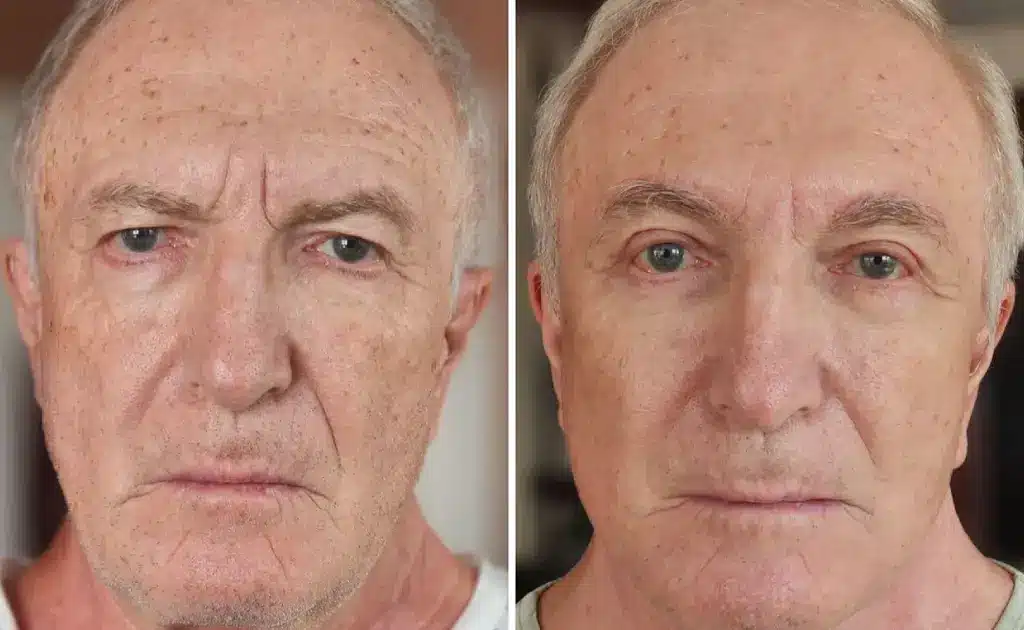
Male facelift before and after results, demonstrating smoothed wrinkles and natural facial rejuvenation for men at Hawaii Facial Plastic Surgery.

Age itself is not a barrier to elective plastic surgery, but being in good general health is a essential factor. Before scheduling a facelift, you will need:

  • A pre-surgery physical examination
  • A thorough review of medications and supplements
  • Blood tests or cardiac screening if indicated

For your safety, you must disclose all preexisting medical conditions to your surgeon. Chronic conditions such as diabetes, high blood pressure, or heart disease call for careful management before and after surgery.

Being Realistic About the Results

While a face or neck can provide dramatic improvements, it won’t stop the aging process or make you look 20 again.

The goal is to look refreshed, not unrecognizable. Discuss your expectations openly with your surgeon, and review before-and-after photos of past patients to gauge likely outcomes.

The Recovery Process

Lower facelift and neck lift before and after photos showing significant jowl reduction and smoother skin after recovery.

Recovery from a facelift varies by person and the method selected, but you generally can expect:

  • Swelling and bruising for 1-2 weeks
  • Mild discomfort, managed with doctor-prescribed and over-the-counter medications
  • Taking at least two weeks off from work and social activities
  • Refraining from strenuous exercise for 4-6 weeks

Most patients feel comfortable returning to regular life activities within 3-4 weeks. Carefully following your surgeon’s aftercare instructions is vital for optimal healing and results.

Risks and Complications

Facelifts are generally safe when performed by board-certified facial plastic surgeons, but all surgeries carry risks. Potential complications include:

  • Infection
  • Bleeding or hematoma
  • Scarring
  • Nerve injury (usually temporary)
  • Unsatisfactory results or asymmetry

Choosing an experienced plastic surgeon considerably reduces these risks.

Non-Surgical Facelift Alternatives

Often, people over 50 have skin laxity and sagging to an extent that a surgical facelift is an excellent option. However, some may have milder age-related changes and can benefit from non-surgical treatments. They can be used in place of, or in combination with, a facelift. Options include:

Non-surgical cosmetic treatments successfully treat fine lines, volume loss, and skin texture but won’t produce the lifting effect of surgery. Meeting with a surgeon can help determine the best approach to achieve your goals.

Preparing for Your Facelift

Each cosmetic surgeon will provide specific pre-surgery instructions. Examples of the tips most patents receive include:

  • Quit smoking at least a month before surgery
  • Stop blood-thinning medications under a physician’s guidance
  • Arrange for pick-up after surgery and have someone with you overnight
  • Prepare a comfortable recovery area at home

How Long Do the Results Last?

A well-performed facelift can last 10 years or more, but natural aging will continue. Keeping a healthy lifestyle, using sun protection, and following a good skincare regimen can extend your results.

Facelifts After Age 50

Deciding to have a facelift is a significant, rewarding step for many people over 50 who wish to look as young as they feel. By understanding the procedure, preparing carefully, and choosing the right facial plastic surgeon, you can approach your facelift with confidence and enjoy results that meet your goals.


Frequently Asked Questions

A.1 Age alone does not disqualify you. If you’re in good health and have realistic expectations, you can be a candidate in your 50s, 60s, or 70s.

A.2. The desired effects of a face or neck lift can last 8-12 years. Your genes, skin quality, and lifestyle choices are all factors.

A.3. Today’s face and neck lift techniques produce natural results. Choose an experienced, board-certified surgeon who understands your goals.

A.4. Plastic surgeons usually hide incisions along your hairline and around the ears. Most scars will fade and become invisible to most people.

A.5. Facelifts are performed under general or local anesthesia with sedation. Your surgeon and anesthesiologist will thoroughly evaluate you beforehand to decrease risks.

A.6. Yes, many patients combine facelifts with eyelid surgery, brow lifts, or non-surgical treatments for full rejuvenation.

Female Facial Plastic Surgeons | Why Women Choose Them

Representation Matters, But It’s About More

Double board-certified facial plastic surgeon Dr. Susan Tan performing a precise procedure in a sterile Honolulu operating room.There’s a shift underway in the field of facial plastic surgery, and it’s about more women choosing female facial plastic surgeons. While each woman’s choice is unique to her, it reflects broader changes in the medical profession, societal attitudes, and the importance of representation.

  • Easier time discussing sensitive issues
  • Feeling more understood on a medical and personal level
  • Preferring a more patient-centered approach
  • Emphasis on natural-looking results
  • Appreciation of representation and role models

In this article, we’ll discuss this movement and how it may affect the future of facial plastic surgery.

More Women are Becoming Facial Plastic Surgeons

In the past 10 years, the number of female plastic surgeons has increased steadily. While plastic surgery as a profession is still male-dominated, women are increasing their numbers both as practitioners and as patients, making choices.

The current data shows more than 90% of cosmetic surgery patients are women—yet historically, the majority of surgeons have been men. But the recent rise in the number of female plastic surgeons is beginning to level things out.

Why Do Women Choose Female Surgeons?

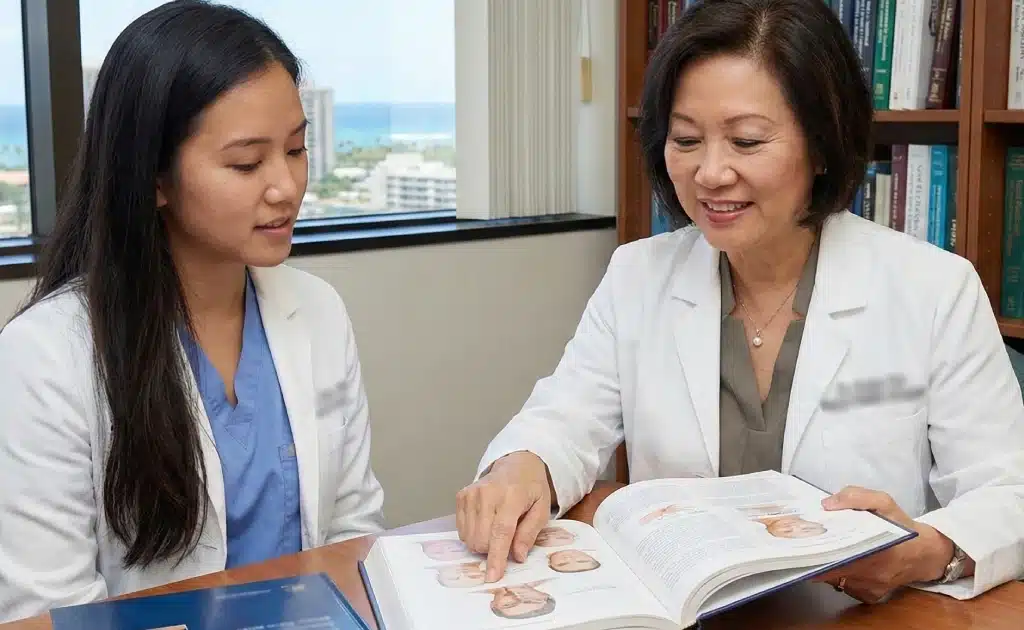
Both anecdotal evidence and survey findings indicate several factors are driving the trend:Dr. Susan Tan performing a facial assessment on a patient during an aesthetic consultation at her Honolulu, Hawaii practice.

  • Comfort and Understanding: Many women feel more at ease discussing personal appearance goals with other female surgeons, who may better understand their motivations and anxieties.
  • Openness and Communication: Studies suggest women surgeons may spend more time listening and engaging in collaborative decision-making. It can foster trust.
  • Shared Experiences: Female facial plastic surgeons may have first-hand understanding of societal pressures regarding appearance, aging, and beauty standards.
  • Natural Results: Women MDs may focus more on natural enhancements and body positivity, aligning with more women’s values and priorities.
  • Representation: Working with women in positions of authority and expertise can be empowering for female patients.

Insights from the Patient’s Perspective

Deciding to undergo facial plastic surgery is a personal journey for a woman, making trust paramount. Some patients are able to open up more easily to a female doctor, sharing insecurities or concerns that they might hesitate to discuss with a male physician. Others may feel they are judged less or feel more validated when consulting with a woman.

“I felt like she just understood where I was coming from—not just medically, but emotionally too,” says Jane, a recent patient. “I didn’t have to explain why certain things bothered me; she just got it.”

And from the Surgeons’ Perspective

Female facial plastic surgeons bring perspectives shaped by their experiences. Many are advocates for patient-centered care, holistic consultation, and ethical standards that prioritize well-being over profit. Many also feel a special responsibility to mentor other women entering the profession, helping to create a more inclusive medical community.

At Hawaii Facial Plastic Surgery, our founder, Dr. Susan Tan, a double board-certified facial plastic surgeon, explains, “My patients know I’m not here to sell them a procedure. I’m here to listen, educate, and help them make the best decisions for themselves—whatever that looks like.”

The Road Ahead: Women in Plastic Surgery

Given the increased interest in, and success of, women as facial plastic surgeons, we can expect the profession to continue become more inclusive.

  • Recruitment Practices: Hospitals and clinics are actively recruiting female plastic surgeons and monitoring hiring balance.
  • Mentorship Opportunities: There are more mentorship and professional support networks for women entering surgical specialties.
  • Patient Education: Practices are educating women about their options and the importance of a good surgeon-patient fit.
  • Media Representation: Female surgeons are increasingly featured in the media, breaking down stereotypes and inspiring the next generation.

Dr. Susan Tan and her staff at Hawaii Facial Plastic Surgery in Honolulu, representing the practice's female-led, patient-centered approach.

Trending Now: Female Facial Plastic Surgeons

As the techniques and methods of facial plastic surgery evolve, the growing presence of female surgeons will be influential – and in many cases, women will increasingly move into leadership roles.

The evolution of the profession mirrors broader societal trends reflecting a desire for representation, visibility, and collaborative care. Whether you’re a woman considering a plastic surgery procedure or simply interested in the direction of the medical field, you have a stake in the outcomes.

It’s clear that women are reshaping the future of facial aesthetics—as practitioners, patients, and pioneers.


Frequently Asked Questions

A.1 Yes. Board-certified female facial plastic surgeons undergo training side-by-side with their male counterparts. Many have advanced credentials and specialized expertise, such as Dr. Tan’s double broad certification.

A.2. Many patients say yes. Female surgeons may have personal insight into the societal pressures women face and approach consultations with greater sensitivity.

A.3. The quality of your results depends on the individual surgeon’s skill, experience, aesthetic sense, and your communication together. Gender is only one factor in your decision; always research credentials and patient reviews.

A.4. Many professional organizations, such as the American Academy of Facial Plastic and Reconstructive Surgery (AAFPRS), have searchable databases. You can check for board certification, experience with procedures like yours, and testimonials from other patients.

Stay Connected with Dr. Tan.

Thoughtful education on facial aging and skin health — delivered with care, never with noise.

About

Facial Plastic Surgery

Non-Surgical

Resources

1150 S King Street, Suite 504
Honolulu, Hawaiʻi 96814
Parking: Young St · Eleven50 · Atlas Building
(808) 636-9084
By Appointment Only

Dr. Susan Tan, MD ABFPRS
Board Certified · Fellowship Trained
Castle Connolly Top Doctor 2026

© 2025 Hawaii Facial Plastic Surgery · Dr. Susan Tan, MD ABFPRS · NPI: 1457731358