
Tag Archive for: facial rejuvenation

Posts

The Un-Pulled Facelift: Why Deep Plane is Better
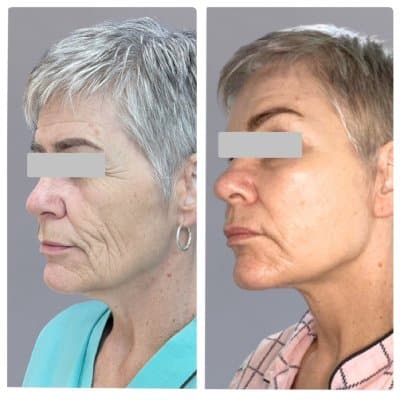
Traditional vs. deep plane facelift topic: side-by-side photos of a gray-haired woman whose creased cheeks and sagging jawline look lifted afterward.

In facial rejuvenation, the goal is a refreshed, natural look without obvious signs of surgery. Nowhere is this truer than in Honolulu and throughout Hawaii, where people are especially wary of appearing done, plastic, or over-pulled.

Therefore, for people seeking a facelift that produces subtle, age-defying results, the deep plane facelift has emerged as the gold standard. But how does it differ from traditional techniques, and why does it produce such a natural-looking outcome?

Understanding Facelifts: Traditional vs. Deep Plane

Facelifts have improved exponentially over the past few decades. Classic facelifts—often called “skin lifts”—focused on tightening the skin alone. While this method could temporarily smooth wrinkles and sagging, the results often looked unnatural, with skin that appeared taut and sometimes distorted. The underlying problem? Skin alone isn’t designed to support facial tissues for long-lasting rejuvenation.

Enter the SMAS: The Key to Natural Results
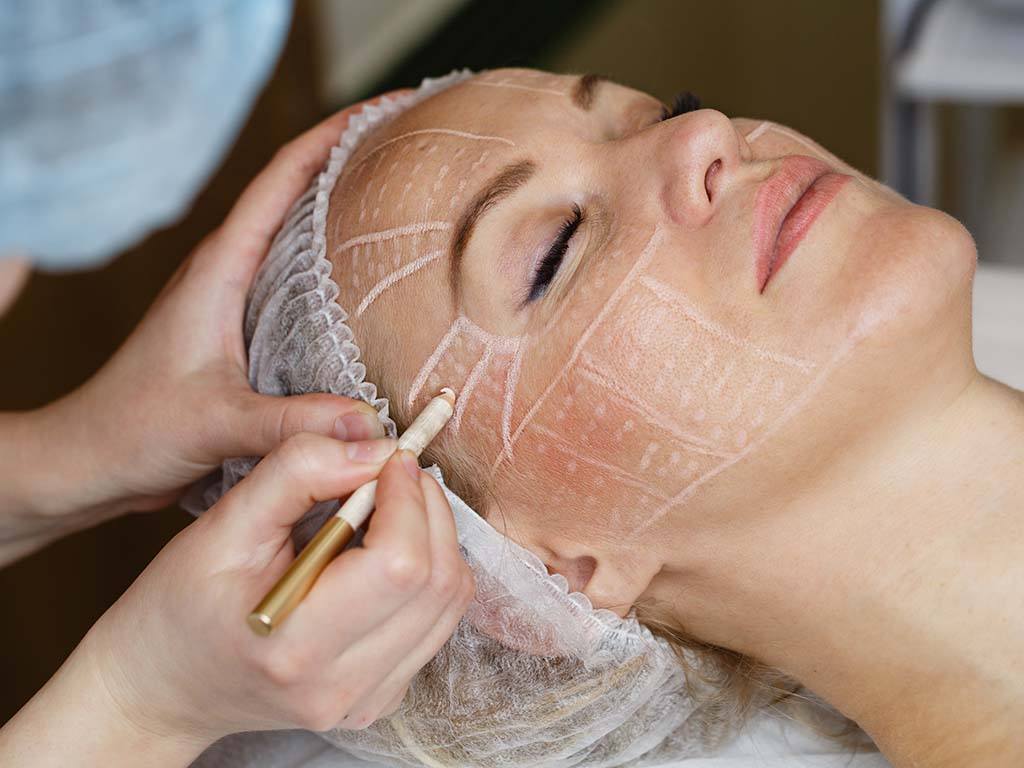
White pencil lines mapped across a relaxed woman's forehead, temple and cheek, the kind of facial planning behind an SMAS or deep plane facelift in Hawaii.

To overcome the shortcomings of skin-only lifts, facial plastic surgeons began targeting the SMAS (Superficial Musculoaponeurotic System)—a layer of muscle and connective tissue beneath the skin.

The SMAS is the true support structure of the mid and lower face. By repositioning and tightening the SMAS, surgeons can restore a more youthful appearance than skin tightening alone.

Traditional SMAS facelifts frequently involve lifting the skin first, then separately tightening or folding the SMAS layer. While this approach is an improvement, it still risks a pulled or overdone appearance if not performed artfully. That’s where the deep plane facelift comes in.

What Is a Deep Plane Facelift?

A deep plane facelift is a surgical technique that lifts the skin, SMAS, and deeper facial tissues as a single unit. Rather than separating the skin from the SMAS, the surgeon releases key ligaments that tether the facial layers, allowing the entire facial structure to be gently lifted and repositioned together.

This deep-plane approach delivers various essential advantages:

  1. Natural Movement: Because the skin is attached to the underlying muscle and fat, the face moves naturally with expressions.
  2. Long-Lasting Results: The deeper lift counteracts gravity’s effects at the structural level, not only at the surface.
  3. Soft, Un-Pulled Look: No tension on the skin, so results look soft, smooth, and never tight.
  4. Improved Neck and Jawline: Releasing deeper ligaments can dramatically improve the jawline and neck, where aging is often most noticeable.

Why People in Hawaii Prefer Deep Plane
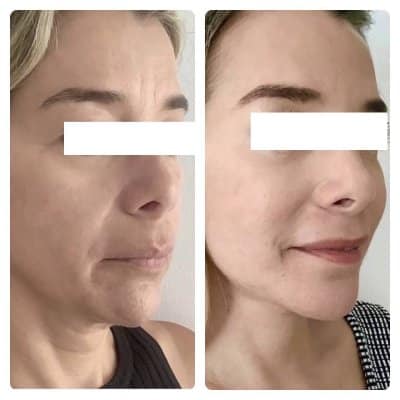
Angled before-and-after of a blonde woman: her smile lines, jowls and jawline look softer and more defined, the refreshed look Hawaii patients want.

In Honolulu and throughout Hawaii, where sun exposure and an active lifestyle are part of daily life, facial aging can accelerate. Yet, the cultural preference for subtlety and inherent beauty remains strong. Deep plane facelifts are the best choice for patients who want to look refreshed—not radically different.

Hawaii’s diverse population also means facial anatomy varies widely. The deep plane approach is highly customizable, allowing plastic surgeons to customize the lift to each patient’s unique features while respecting ethnic and cultural aesthetics.

The Deep Plane Facelift Procedure: Step by Step

  1. Initial Consultation: The journey starts with a detailed consultation. Your surgeon will evaluate your facial anatomy, discuss your goals, and review your medical history.
  2. Day of Surgery Begins with Anesthesia: Keeping you comfortable is paramount. The procedure is typically performed under general anesthesia or deep sedation to ensure comfort.
  3. Incisions: The surgeon places incisions carefully within the hairline and natural creases around the ear, making them nearly invisible once healed.
  4. Deep Plane Dissection: The surgeon releases specific ligaments, freeing the skin, SMAS, and deeper tissues. This allows for safe, tension-free elevation of the entire facial unit.
  5. Repositioning: The surgeon lifts the facial tissues vertically and slightly backward to restore youthful contours, particularly along the cheeks, jawline, and neck.
  6. Closure: The surgeon gently trims excess skin and closes incisions with exacting suturing.
  7. Recovery: Most patients return home the same day. Swelling and bruising peak in the first week and gradually improve. Most people are comfortable returning to social activities within two to three weeks.

Results and Longevity

A deep plane facelift delivers stunning yet subtle improvements—fuller cheeks, softer nasolabial folds, and a crisp jawline.

Because the lift is performed at the structural level, results last significantly longer than with traditional facelifts. While no procedure can stop the aging process entirely, many patients enjoy their rejuvenated appearance for 10 years or more.

Common Myths About Facelifts

Myth 1: I’ll look like a different person. — Deep plane facelifts enhance your natural beauty without changing your fundamental facial features. Friends may notice you look refreshed, but not operated on.

Myth 2: Everyone will know I had surgery. — With hidden incisions and a tension-free lift, scars are virtually invisible, and results look natural. Most people won’t suspect you’ve had a facelift—unless you tell them.

Myth 3: Recovery takes forever. — While there is downtime, recovery is often quicker and easier than people expect, especially with modern techniques.

Is a Deep Plane Facelift Right for You?
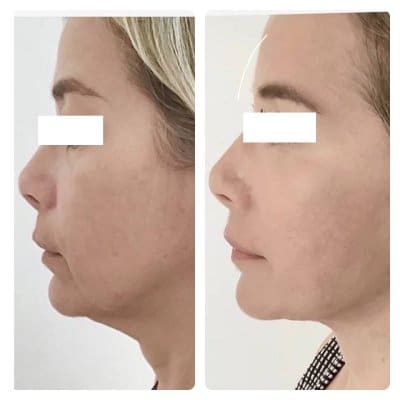
Side profile before and after of a blonde woman: loose skin under the chin and a soft jawline look tighter, common deep plane facelift concerns.

Ideal candidates are healthy, non-smoking adults who are bothered by sagging cheeks, jowls, and neck skin. You can combine the procedure with eyelid surgery, a brow lift, or skin resurfacing for a more complete rejuvenation.

If you’d like a natural, long-lasting solution to facial aging—without the stigma of an overdone or unnatural look—the deep plane facelift is recognized as the preferred choice.

In Oahu, where genuineness and subtlety matter, this advanced technique gives patients the confidence to look as good as they feel, with results that celebrate their individual beauty.

Interested in a personal consultation with an experienced, board-certified facial plastic surgeon? Call us at Hawaii Facial Plastic Surgery to make an appointment at (808) 636-9084 or contact us online.

Frequently Asked Questions

A.1. In contrast to traditional facelifts that lift the skin and SMAS separately, a deep plane facelift lifts all layers together, resulting in a more natural look with less risk of a pulled appearance.

A.2. Most people experience swelling and bruising for 1–2 weeks and can resume social activities in about 2–3 weeks. Complete healing may take several months.

A.3. Incisions are hidden in the hairline and around the ears. Once healed, scars are typically very discreet.

A.4. Results can last 10 years or longer, depending on your genetics, lifestyle, and skincare routine.

A.5. When performed by a board-certified and experienced facial plastic surgeon, the procedure is very safe. As with any surgery, risks exist, but complications are rare.


Ultherapy PRIME® Tightens Your Skin with No Downtime

Look Refreshed and Younger by Stimulating Collagen

Ready to tighten your skin and rejuvenate your appearance with a non-surgical treatment offering no downtime or recovery? If so, it’s time to learn more about Ultherapy PRIME®, a leading-edge, FDA-cleared procedure that delivers excellent results for anyone dealing with saggy or loose skin.

Harness the power of focused ultrasound to lift and tighten skin on the face and neck, naturally stimulating your body’s collagen production.

In this article, we’ll explore how Ultherapy PRIME works, what makes it unique, and what you can expect from your treatment. We’ll also answer some of the most frequently asked questions about this popular cosmetic procedure.

What Is Ultherapy PRIME and How Does It Work?

Ultherapy PRIME is a non-invasive cosmetic procedure that lifts, tones, and tightens loose or sagging skin on the face and neck. Unlike lasers or surgery, it utilizes focused ultrasound to stimulate collagen deeper in the skin’s foundational layers. The result is gradual, natural-looking lifting and tightening of the face, neck, and décolletage.

  • Targets the same deep tissue layers addressed in a surgical facelift
  • Reaches the Superficial Musculoaponeurotic System (SMAS) layer
  • Uses precise ultrasound energy to heat tissue at optimal depths
  • Triggering a natural regenerative response
  • Forms new collagen over time
  • Creates a firmer, more youthful appearance

The PRIME device is equipped with imaging technology, allowing practitioners to see exactly which tissue layers they’re treating. This precision ensures results are both safe and effective, tailored to each patient’s unique anatomy.

Infographic showing Ultherapy PRIME ultrasound energy penetrating the epidermis and dermis to reach the SMAS layer for deep tissue collagen stimulation.

Comfort: The Prime Device Advantage

One of the most significant advantages of treatment is the PRIME device. It’s designed to keep you more comfortable while it specifically targets the SMAS layer – and there’s less discomfort compared to other skin-tightening technologies.
Also, Individualized pain control options are available, recognizing that each person has a different pain threshold, and the importance of a comfortable treatment experience.

  • Pro-Nox (a patient-controlled nitrous oxide system)
  • Topical numbing cream
  • Local nerve blocks

When you come to Hawaii Facial Plastic Surgery, we will work with you to determine the best approach for your needs, ensuring your session is as comfortable as possible.

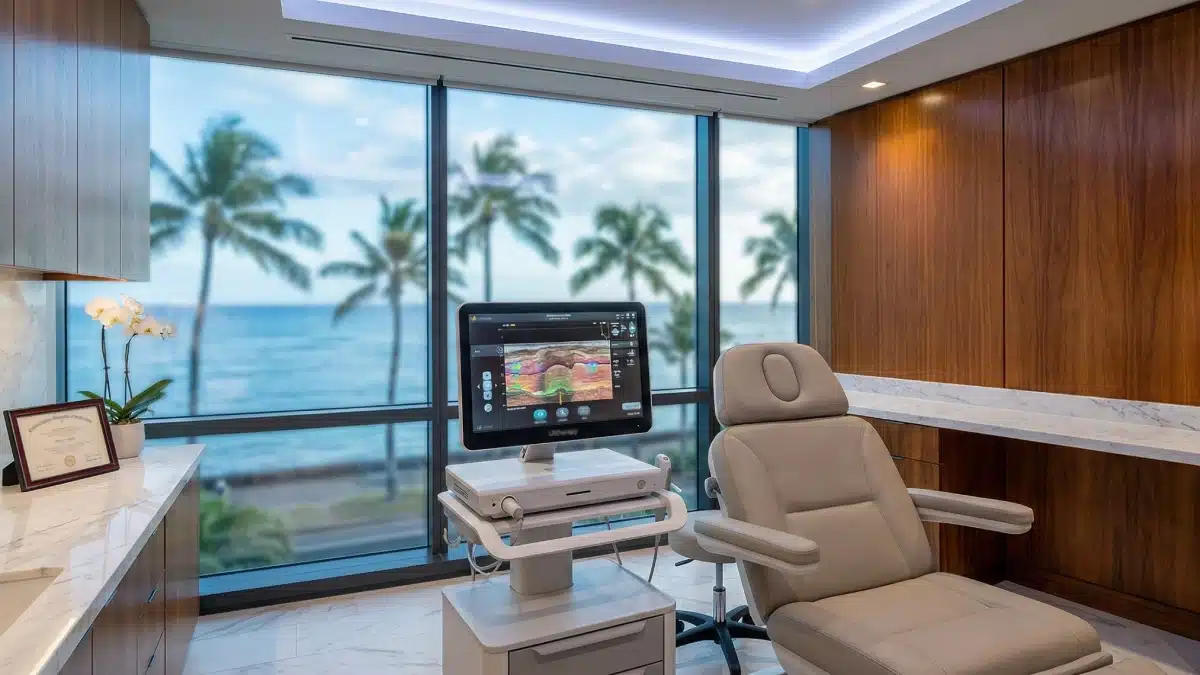
A modern treatment room at Hawaii Facial Plastic Surgery featuring a professional Ultherapy PRIME machine and medical chair with a scenic ocean and palm tree view.

No Downtime: The True Lunchtime Procedure

Many people who want to look better also lead busy lives. If you’re one of them, one of Ultherapy PRMIE’s biggest advantages is its “lunchtime procedure” reputation. Treatments typically take between 30 and 90 minutes, depending on the areas addressed.
Since treatment is non-invasive, there are no incisions, stitches to heal, or extended recovery periods. Most patients return to their normal activities immediately after the session, making it a perfect option for anyone with a packed schedule.

Am I a Good Candidate?

Ultherapy PRIME is best suited for patients with mild to moderate skin laxity—those who notice their skin starting to feel or look less firm.

Common concerns include sagging under the chin, loose neck skin, and drooping eyebrows. While it is not a substitute for a surgical facelift, it’s an excellent option for those not ready for facelift surgery or looking to prolong the effects of previous surgical procedures.

Results: What to Expect

After a treatment session, many people notice an initial tightening effect, but the most significant transformation unfolds gradually, as new collagen develops.

  • See full results after two to three months
  • Improvements continue for up to six months after treatment
  • Results typically last one to two years, depending on age, lifestyle, and genetics

Because Ultherapy PRIME stimulates your body to produce collagen, the results look completely natural. There’s no risk of a too-tight appearance—just a fresher, firmer, more youthful look.

The treatment is FDA-cleared for lifting the skin on the neck, chin, and brow, as well as improving lines and wrinkles on the décolletage.

Side effects are generally mild and temporary. You might experience slight redness, swelling, tingling, or tenderness after the procedure, but these symptoms usually resolve within hours or days.

Choosing the Right Provider

At Hawaii Facial Plastic Surgery, Ultherapy treatments may be performed by Dr. Tan or by her highly trained clinical team. Every provider is personally trained by Dr. Tan, understands facial anatomy and aesthetic balance, and follows Dr. Tan’s customized treatment protocols.

Every provider working with Dr. Tan shares the same philosophy: natural results, safety, and individualized care. Each treatment plan is developed under Dr. Tan’s guidance to ensure consistency and optimal outcomes—so patients receive the same level of expertise and attention regardless of which provider performs the procedure.

This collaborative approach allows us to deliver excellent results while offering greater flexibility in scheduling.

Ultherapy PRIME vs. Other Skin Tightening Treatments

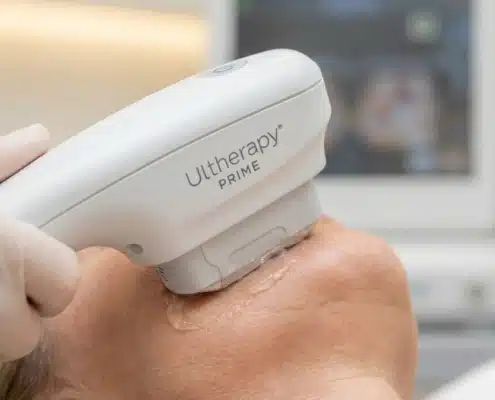
Close-up of a practitioner applying the Ultherapy PRIME handpiece to a patient's jawline to stimulate collagen for non-surgical skin tightening.Ultherapy PRIME offers a unique, non-surgical way to tighten and lift your skin with no downtime. Thanks to advances in comfort technology and customizable pain management, it’s more appealing than ever.

Also, it’s important to understand the advantages compared to other non-surgical skin-tightening options:

  • Ultrasound vs. Radiofrequency: Ultherapy PRIME’s focused ultrasound energy penetrates deeper than most radiofrequency (RF) treatments, reaching the SMAS layer for more lifting.
  • Non-surgical vs. Surgical: While a face or neck lift delivers dramatic, long-lasting results, Ultherapy offers gradual, subtle improvement with no surgery or downtime.
  • No Synthetic Fillers: Ultherapy stimulates your body’s own collagen, not by injecting fillers or other substances.

If you’re ready to refresh your appearance naturally, schedule an initial consultation to learn more about your options and see if this innovative treatment is right for you.

Frequently Asked Questions

A.1. Most patients find treatment very tolerable, especially with the PRIME device and individualized pain control options. You’ll discuss comfort measures with the doctor beforehand.

A.2. Treatments range from 30 to 90 minutes, depending on the areas being addressed. There’s no downtime, so you can resume your normal activities the same day.

A.3. While you may notice some initial tightening, most results appear gradually over two to three months, as your body produces new collagen. Improvements can continue for up to six months.

A.4. Most people achieve their desired results with a single session, but some may benefit from additional treatments, depending on the extent of skin laxity and goals.

A.5. Yes. Ultherapy PRIME is FDA-cleared and has an excellent safety profile. Side effects are usually mild and temporary, such as redness or tenderness after the procedure.

A.6. Results typically last one to two years, though it varies based on age, genetics, lifestyle, and skincare routines.

Stay Connected with Dr. Tan.

Thoughtful education on facial aging and skin health — delivered with care, never with noise.

About

Facial Plastic Surgery

Non-Surgical

Resources

1150 S King Street, Suite 504
Honolulu, Hawaiʻi 96814
Parking: Young St · Eleven50 · Atlas Building
(808) 636-9084
By Appointment Only

Dr. Susan Tan, MD ABFPRS
Board Certified · Fellowship Trained
Castle Connolly Top Doctor 2026

© 2025 Hawaii Facial Plastic Surgery · Dr. Susan Tan, MD ABFPRS · NPI: 1457731358